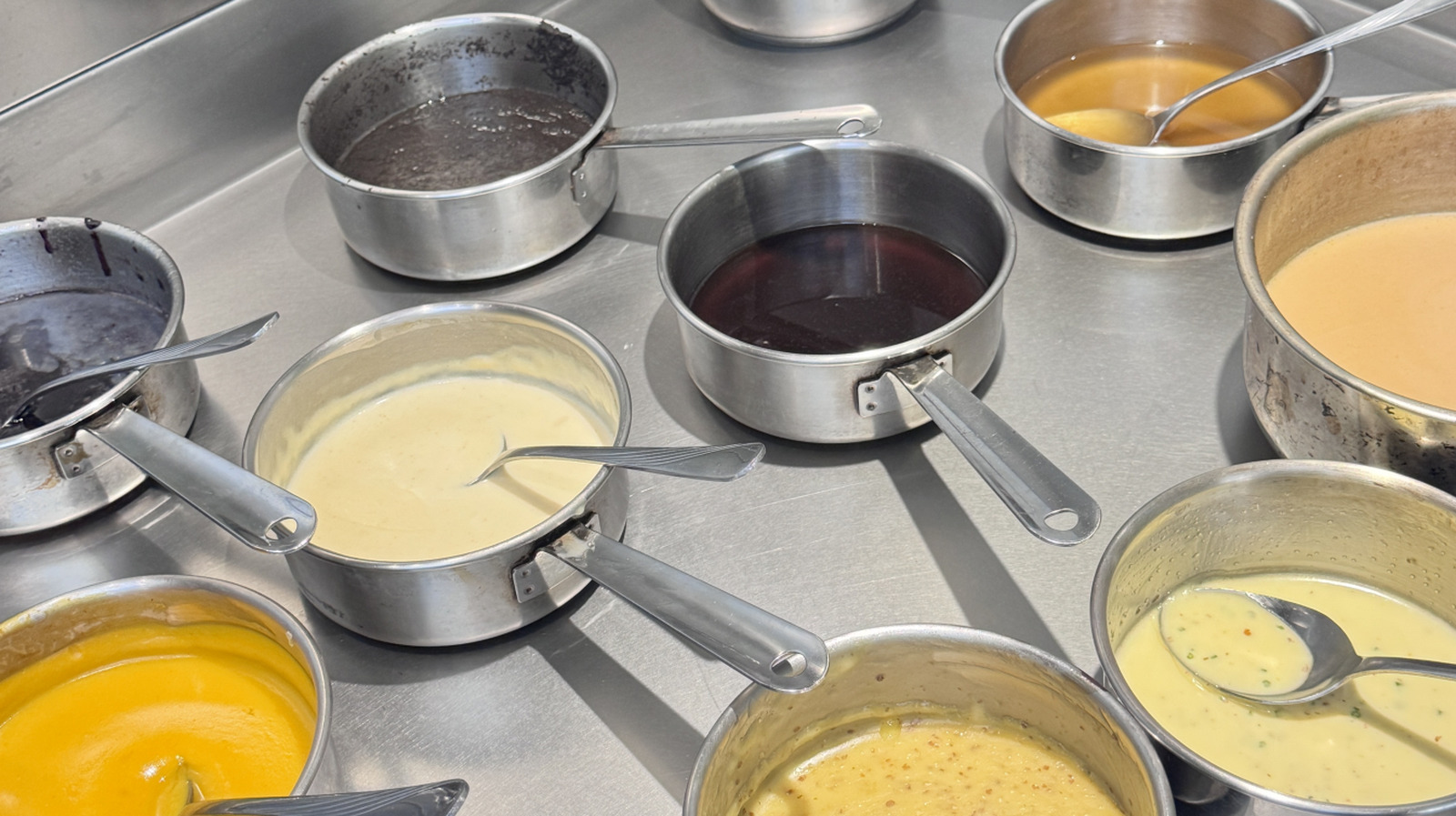
Strained braising and roasting liquids concentrate browned sugars, dissolved collagen, reduced wine, and aromatics into intensely flavored sauces. Gelatin from connective tissue preserves structure during freezing so thawed sauces regain texture with minimal whisking. High salt, fat, and acid components slow oxidation, keeping frozen jus or demi-glace flavorful for weeks. Chill and remove the fat cap after cooking; reserve fat for frying or deglaze the pan for a quick sauce. Portion and label liquids in bags or containers before freezing to create ready-made bases that transform future meals with minimal effort.
"The liquid left behind in a braise or roasting pan might look like kitchen runoff, but it's actually the most valuable thing in the pot. It's a byproduct, but it's also the distillation of everything that went right: the browned sugars, the melted collagen, the citrus peel you zested, the herb stems that were full of flavor. Throwing it out is basically emptying your wallet into the sink. Freezing it, on the other hand, is banking well-developed flavor for a night when your will to cook is weak."
"Gelatin holds structure even after a long freeze, so once thawed, the sauce snaps back to its original form - with a little whisking sometimes required. The high salt, fat, and acid that comprise sauces all slow down the flavor-dulling effects of oxygen, which means a frozen cube of lamb jus or chicken demi glace six weeks from now will taste almost indistinguishable from the batch that perfumed your kitchen today."
Read at Tasting Table
Unable to calculate read time
Collection
[
|
...
]