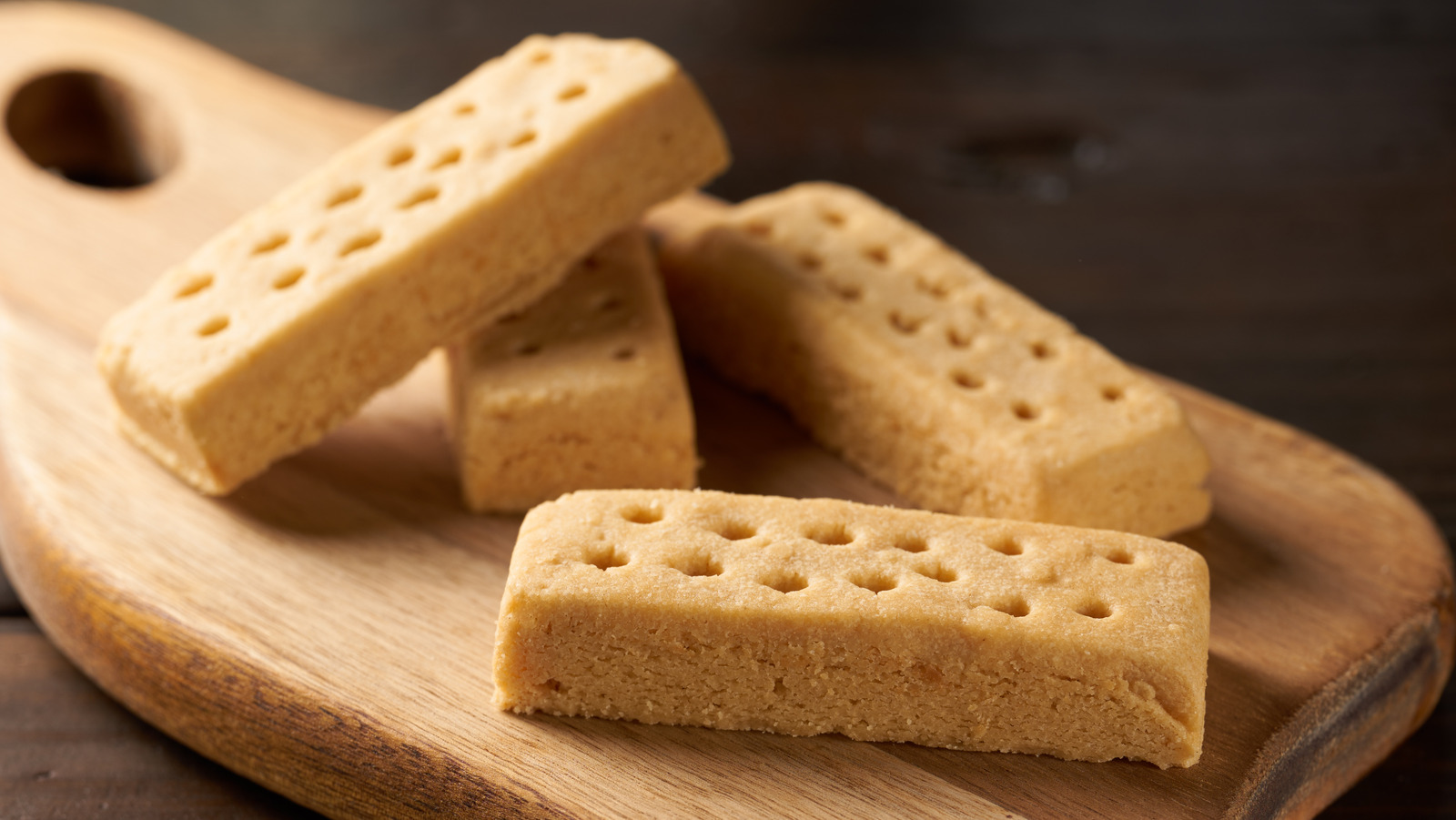
"Bakers typically prick a series of holes into shortbread for a number of reasons. Yes, it gives it that iconic punched design, but it's also for logistical reasons. Shortbread contains a lot of butter, which produces steam as it melts. If the steam doesn't have a way to escape, the dough will start to form air bubbles and puff up in the middle."
"Prick the shortbread dough with a fork before baking Pamela_d_mcadams/Getty Images A fork is typically used to create the holes, but a skewer works, too. The process, also known as docking, is simple. Take a fork and punch the tines into the surface of the dough. There's no need to be scared; you can actually go all the way to the bottom."
Shortbread contains a high proportion of butter that produces steam as it melts, which can create air bubbles that cause the dough to puff and bake unevenly. Pricking or docking the dough with a fork or skewer releases steam, prevents bubbling, and preserves the signature crumbly texture. Use a fork to punch tines into the dough all the way to the bottom, covering large spots. The pattern can be decorative but chilling the dough before baking helps holes remain defined. Double-baking can increase crispness. Even pre-cut rectangular shortbread should be docked with a few holes.
Read at Tasting Table
Unable to calculate read time
Collection
[
|
...
]