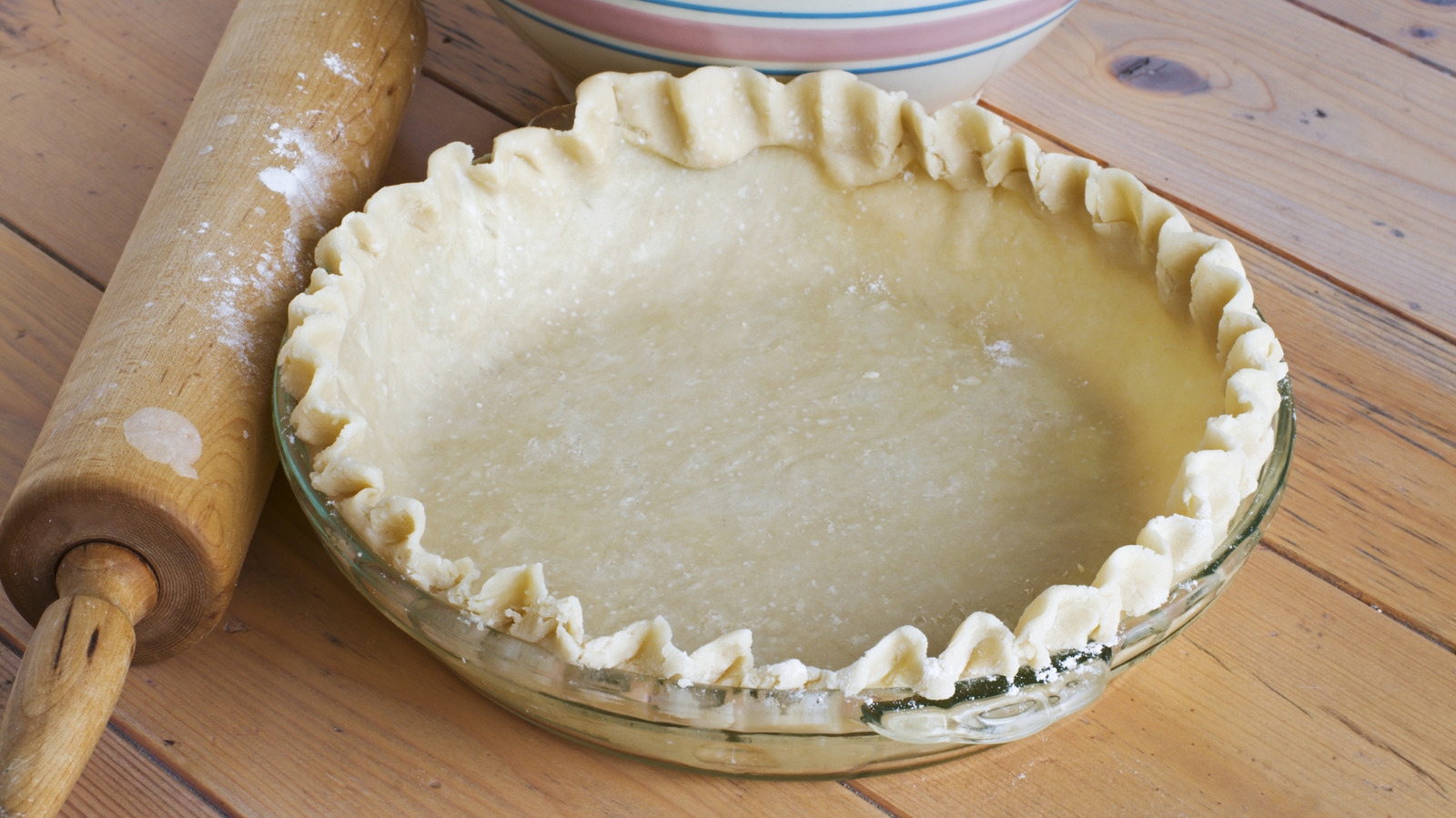
"The purpose of resting pie dough in the refrigerator is to allow the dough's gluten to relax. If gluten does not relax, imagine it as 'uptight,' the dough will shrink down into the pie pan instead of baking up beautifully."
"If the butter is already warm, it won't release steam in the oven and make those flaky layers. Skipping the cold butter in the first place or not taking steps to keep it as cold as possible are some of the easiest ways to ruin a pie crust."
"When you're rolling out pie crust, pay very close attention to when the dough starts to fight back against being rolled out. If you add flour on top of and underneath your dough, but it is still resistant to being rolled out, it could be a sign that your dough needs a break."
Chilling pie crust is crucial for achieving the perfect texture. The gluten in the dough needs time to relax, preventing shrinkage during baking. Additionally, solidifying the butter or fat is necessary for creating flaky layers. Skipping the chilling process or using warm butter can ruin the crust. Signs that dough needs chilling include resistance when rolling and greasiness on the fingers or work surface. Proper timing and temperature management are key to successful pie crust preparation.
Read at Tasting Table
Unable to calculate read time
Collection
[
|
...
]