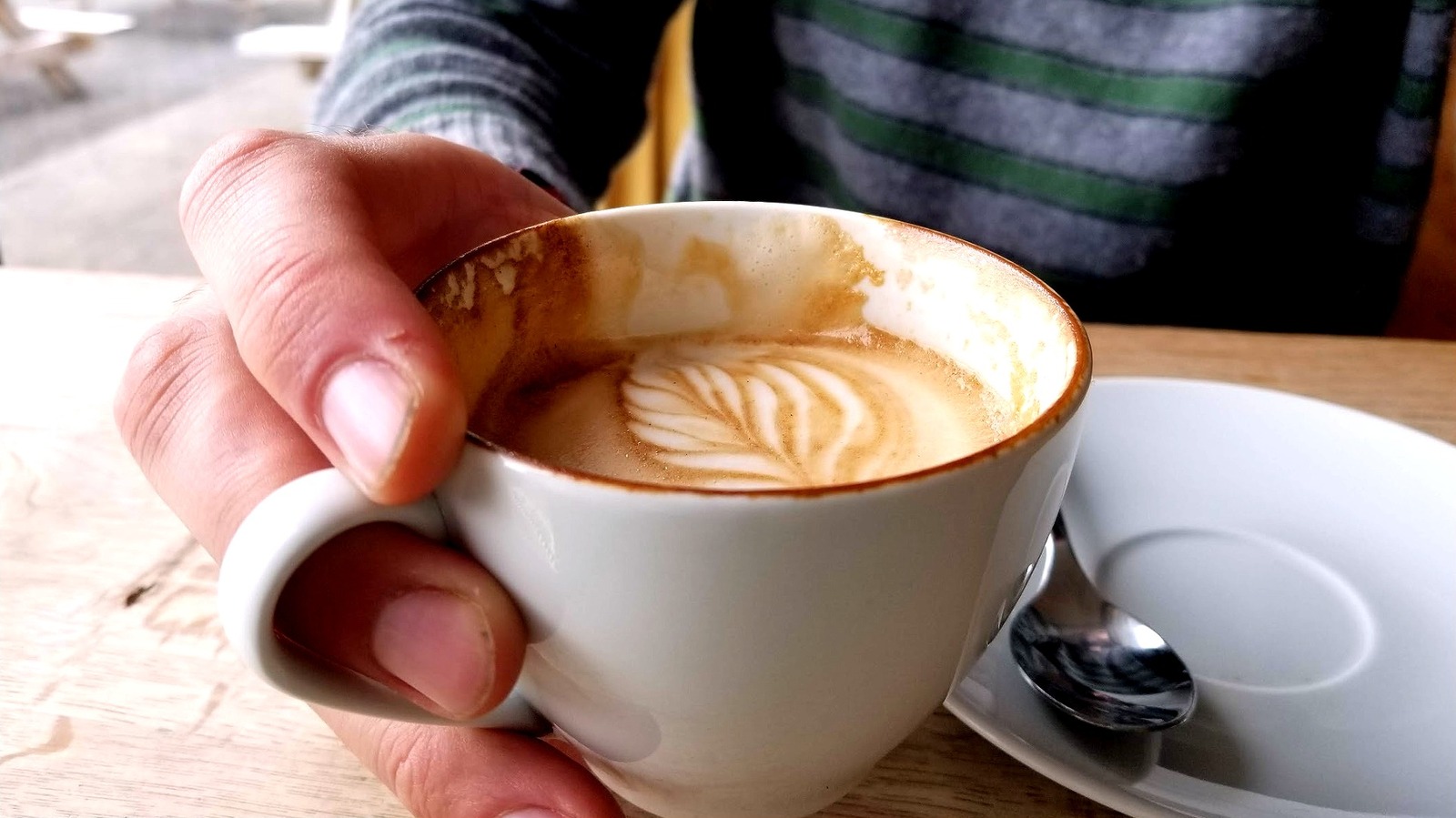
Choosing the right ingredients transforms homemade lattes by matching coffee's wide aroma spectrum with complementary flavors. Barista training emphasizes learning flavor pairings to suit different espresso roasts, helping lighter beans gain brightness and darker beans gain depth when paired appropriately. Regional coffee cultures and experimentation influence ingredient selection, with examples drawn from Seattle and Nordic cafés. Ingredients beyond the coffee itself, such as fruit preserves, can shift a latte toward a garden-party profile with light roasts or a dessert-like profile with dark roasts. These ingredient choices consistently produce pleasing lattes when flavor compatibility is respected.
"Whether you're making a latte at home because you want to save money, get creative, or just can't be bothered to leave the house, there's no denying that having the right ingredients makes all the difference. Coffee has a wide aroma spectrum, so, like alcoholic beverages, it's key to ensure that any flavors the coffee is served with are complementary. When I was a barista at Starbucks, most of the onboarding process involved learning about this concept."
"Successfully picking which flavor pairings go with which espresso was paramount to my success. I had some experience with this concept before, as my mom was a barista and I spent a lot of my childhood in the Seattle area (yes, I, like many Upper Left children, was drinking coffee as a kid), but digging into this for years as a barista myself revealed that the most important ingredients in lattes don't just involve the coffee itself."
Read at Tasting Table
Unable to calculate read time
Collection
[
|
...
]