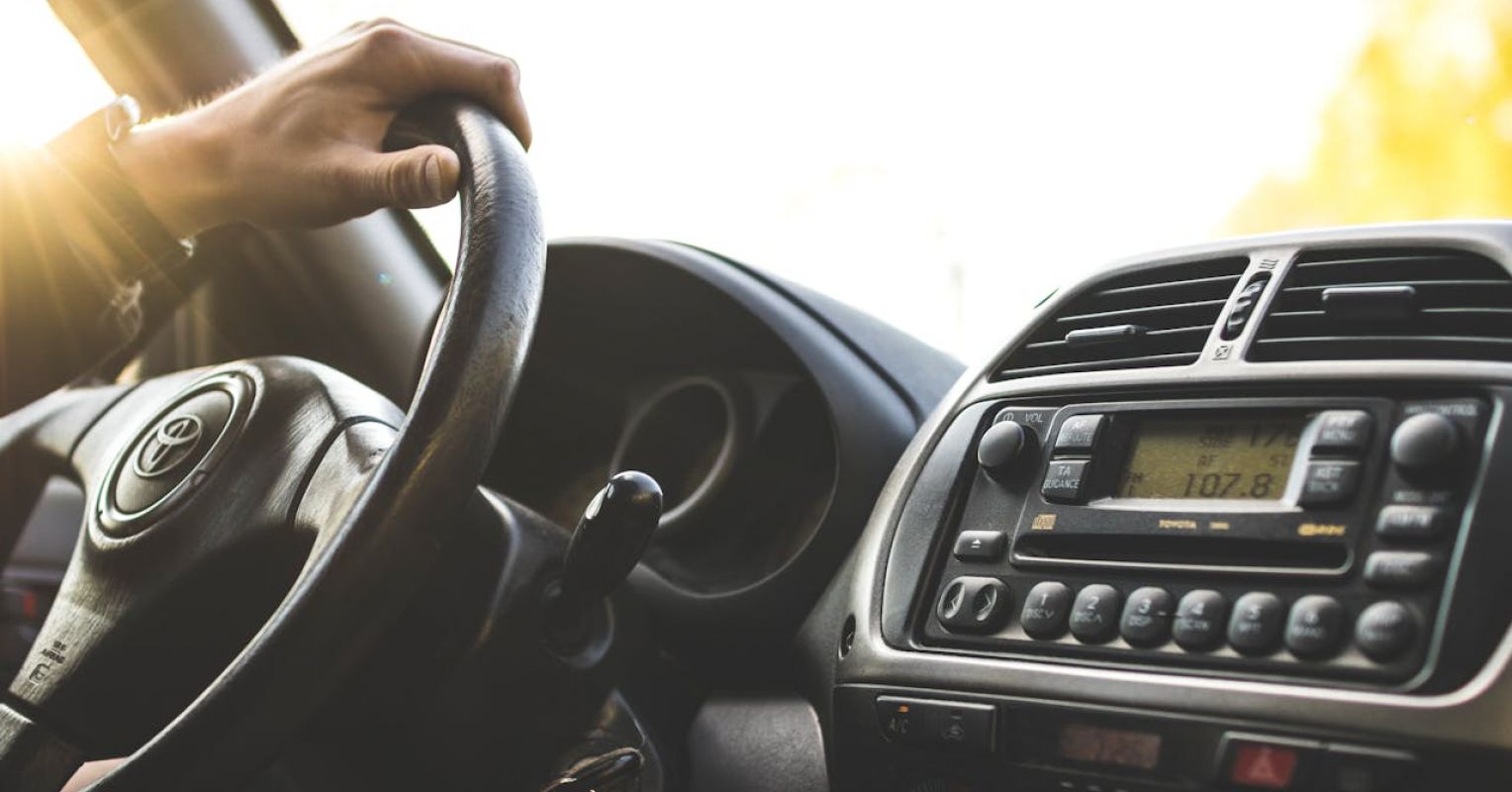
"We say we like driving-but do we? The last time you were in a Lyft, did you really wish you could've taken over for the driver? What about in your friend's car when she was driving? I don't think so. If you could nap, work, meditate, or watch Netflix instead, would you still want to grip the wheel and be fully responsible for the trip's safety and directions?"
"According to the National Safety Council (2024), almost 44,000 people die every year in the U.S. from auto accidents (most of which, approximately 94%, are caused by human driver error). AVs can hopefully help prevent these. But, AVs must be proven as much safer than humans to achieve mass adoption. Now it finally feels to me like we're getting there faster than we know. I wouldn't have been so strongly compelled to write this post if I wasn't continuously mind-blown by how good self-driving has become."
Many people claim to enjoy driving but often prefer to be passengers who can nap, work, meditate, or watch entertainment instead of controlling a vehicle. Human drivers cause approximately 94% of U.S. auto-accident fatalities, about 44,000 deaths per year, so autonomous vehicles offer potential safety improvements if proven superior. Current AV technology, including Waymo and Tesla progress, is rapidly advancing toward that threshold. Resistance to AVs appears rooted in trust, fear of change, and control psychology rather than enjoyment of driving. Experiencing AVs can shift mindsets, allowing travel time to become productive or restorative and enabling widespread adoption over decades.
Read at Psychology Today
Unable to calculate read time
Collection
[
|
...
]