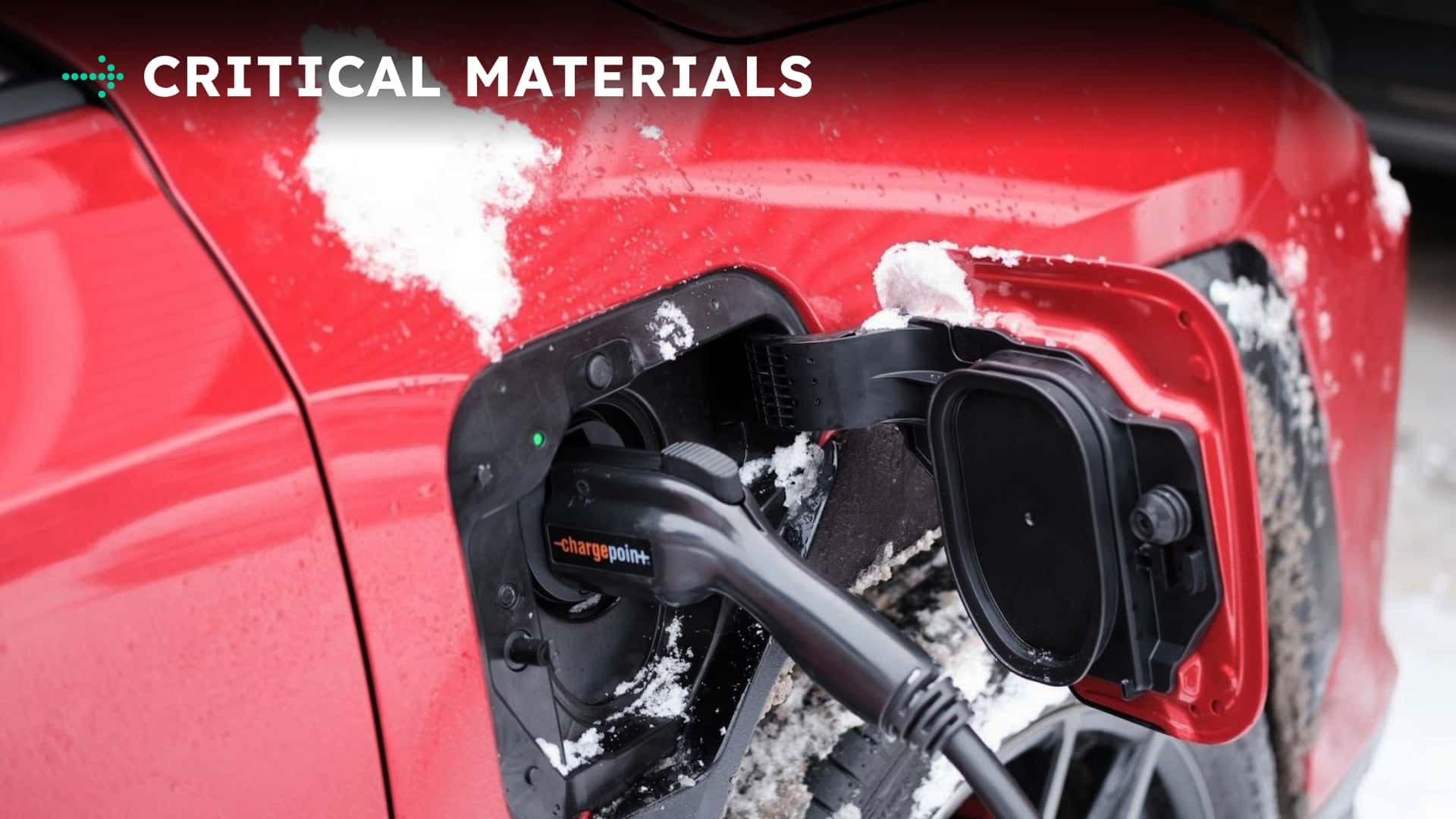
"A lot of electric-vehicle advocates aren't big fans of hybrids. Many of them would say the sooner the world can go all-zero emissions, the better off we'll all be, and that hybrids risk prolonging our collective dependence on fossil fuels. As for me, I'm generally pro-hybrid: I say don't let the perfect be the enemy of the good, and if buyers want electrified power, less gas use and fewer emissions, they should go for it."
"I do get the argument for PHEVs. You get a small amount of electric range for most of your daily driving because you plug in the car while it's parked, then you use the gas engine for your longer trips. Unfortunately, studies show many drivers just don't plug them in, negating many of their benefits. Now, something unexpected is happening in the U.S. market. Not only did EV tax credits go away last year, but they also vanished for PHEVs."
Plug-in hybrid electric vehicles (PHEVs) provide limited electric range for routine trips while retaining a gasoline engine for long journeys, appealing to a subset of buyers. Many PHEV owners do not regularly plug in, which erodes the intended fuel and emissions benefits. Recent U.S. policy shifts removed EV tax credits for both EVs and PHEVs and relaxed stricter fuel-economy requirements, reducing regulatory incentives for electrified vehicles. The growing availability of modern battery EVs with 300-plus-mile range further diminishes the PHEV value proposition for some consumers. PHEVs remain sensible for niche buyers needing both electric capability and gasoline backup.
Read at insideevs.com
Unable to calculate read time
Collection
[
|
...
]