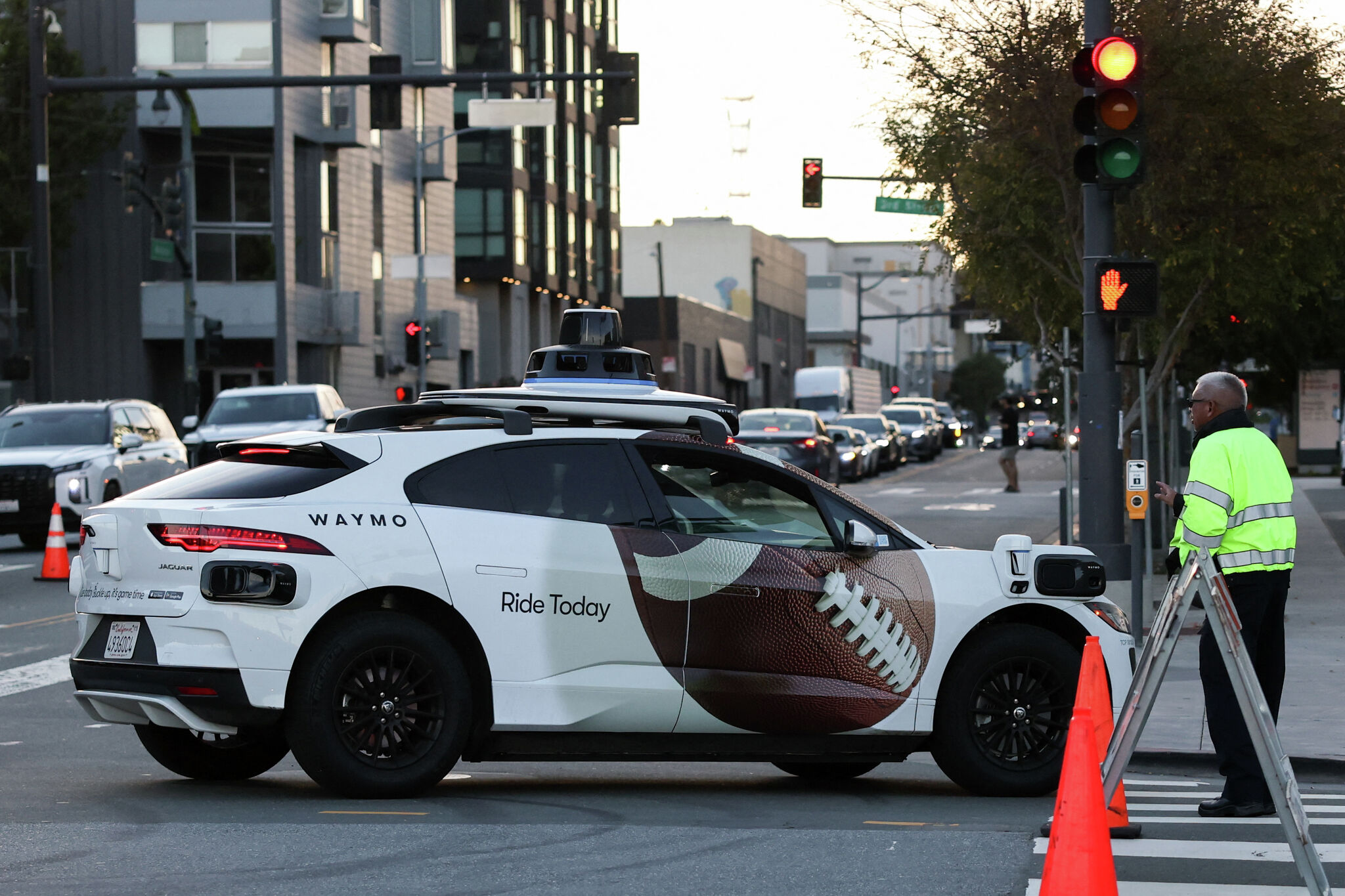
"What has started to happen is that our public safety officers and responders are having to be the ones to physically move [the cars]. In a sense, they're becoming a default roadside assistance for these vehicles, which we do not think is tenable."
"Mary Ellen Carroll, who leads San Francisco's Department of Emergency Management, testified on Monday about her team's difficulty getting in touch with Waymo the night of the outage while residents complained about the cars blocking intersections and snarling traffic - one staffer was on hold for more than 50 minutes."
"Carroll rattled off four intersections where police officers had to help move Waymos out of the way during the afternoon and evening of Dec. 20, either by calling a tow truck, moving it themselves or getting the company to move the car."
Waymo's autonomous vehicles operate successfully across multiple cities but face renewed scrutiny in San Francisco following a December power outage. During the PG&E outage affecting one-third of the city, immobilized robotaxis blocked intersections and created traffic congestion. Emergency responders struggled to contact Waymo while police and firefighters manually moved disabled vehicles. San Francisco's Department of Emergency Management director testified that staff waited over 50 minutes on hold attempting to reach the company. City officials identified four specific intersections requiring police intervention. Emergency management leadership views first responders serving as default roadside assistance for autonomous vehicles as a critical public safety concern requiring immediate operational changes from Waymo and other autonomous vehicle operators.
#autonomous-vehicles #emergency-response #public-safety #infrastructure-resilience #regulatory-oversight
Read at SFGATE
Unable to calculate read time
Collection
[
|
...
]