"Ford confirmed that its upcoming EV platform will move away from the traditional 12-volt system long used across the auto industry. Instead, it will implement a 48-volt electrical architecture that draws power directly from the vehicle's high-voltage battery. Tesla was the first automaker to bring a 48-volt system to U.S. consumers with the Cybertruck in 2023. The architecture reduces wiring bulk, lowers weight, and improves electrical efficiency."
"It also allows power to be stepped down to 12 volts through new electronic control units when needed. Alan Clarke, Ford's executive director of advanced EV development and a former Tesla engineer, called 48-volt systems "the future of automotive" due to their lower costs and smaller wiring requirements. Ford stated that the wiring harness in its new pickup will be more than 4,000 feet shorter and 22 pounds lighter than that of its first-generation electric SUV."
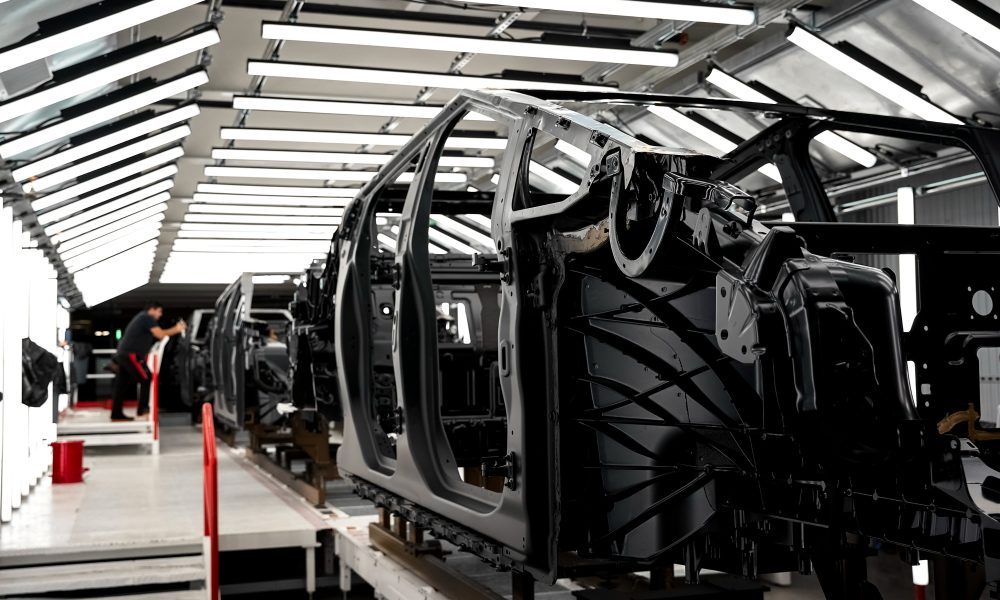
"Apart from the Cybertruck's 48-volt architecture, Ford is also embracing Tesla-style gigacastings for its next-generation EVs. Ford stated that its upcoming electric vehicle will use just two major structural front and rear castings, compared with 146 comparable components in the current gas-powered Maverick. Ford CEO Jim Farley has described the effort as a "bet" and a "Model T moment" for the company, arguing that system-level innovation is neces"
Ford will adopt technologies first commercialized by the Tesla Cybertruck, including a 48-volt electrical architecture and gigacastings. The change begins with a roughly $30,000 small electric pickup targeted for 2027 as part of a $5 billion investment in a Universal EV platform. The 48-volt system draws power directly from the high-voltage battery, reducing wiring bulk, lowering weight, and improving electrical efficiency. The wiring harness in the new pickup will be more than 4,000 feet shorter and 22 pounds lighter than Ford's first-generation electric SUV. The vehicle will use two major structural castings versus 146 components.
Read at TESLARATI
Unable to calculate read time
Collection
[
|
...
]