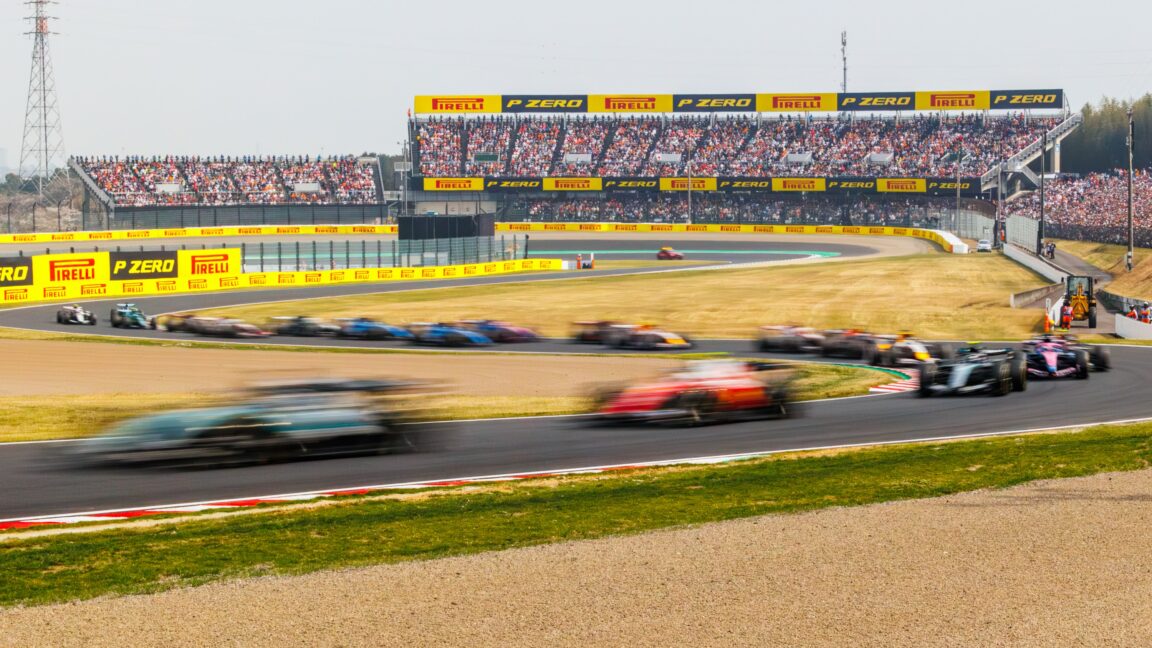
"The problem, as we have been warned for some time, is the new hybrid power trains, which combine a 1.6 L V6 that generates 400 kW with a 350 kW electric motor. Getting to a near 50:50 split between internal combustion and electric power was key to attracting new auto manufacturers to the sport."
"A few weeks ago in Shanghai, F1 was at a circuit with plenty of low- and medium-speed corners and braking zones that allowed drivers to recharge their batteries several times a lap through regenerative braking at the rear axle. But Suzuka has far fewer braking zones."
The recent Japanese Grand Prix highlighted challenges faced by F1 cars under new hybrid powertrain regulations. The 2026 rules aim for a balance between internal combustion and electric power, attracting new manufacturers. However, the energy management issues became evident at Suzuka, where fewer braking zones limited battery recharging opportunities. This situation has prompted the sport to recognize the need for crisis talks to address the limitations imposed by the current hybrid systems and ensure competitive racing.
Read at Ars Technica
Unable to calculate read time
Collection
[
|
...
]