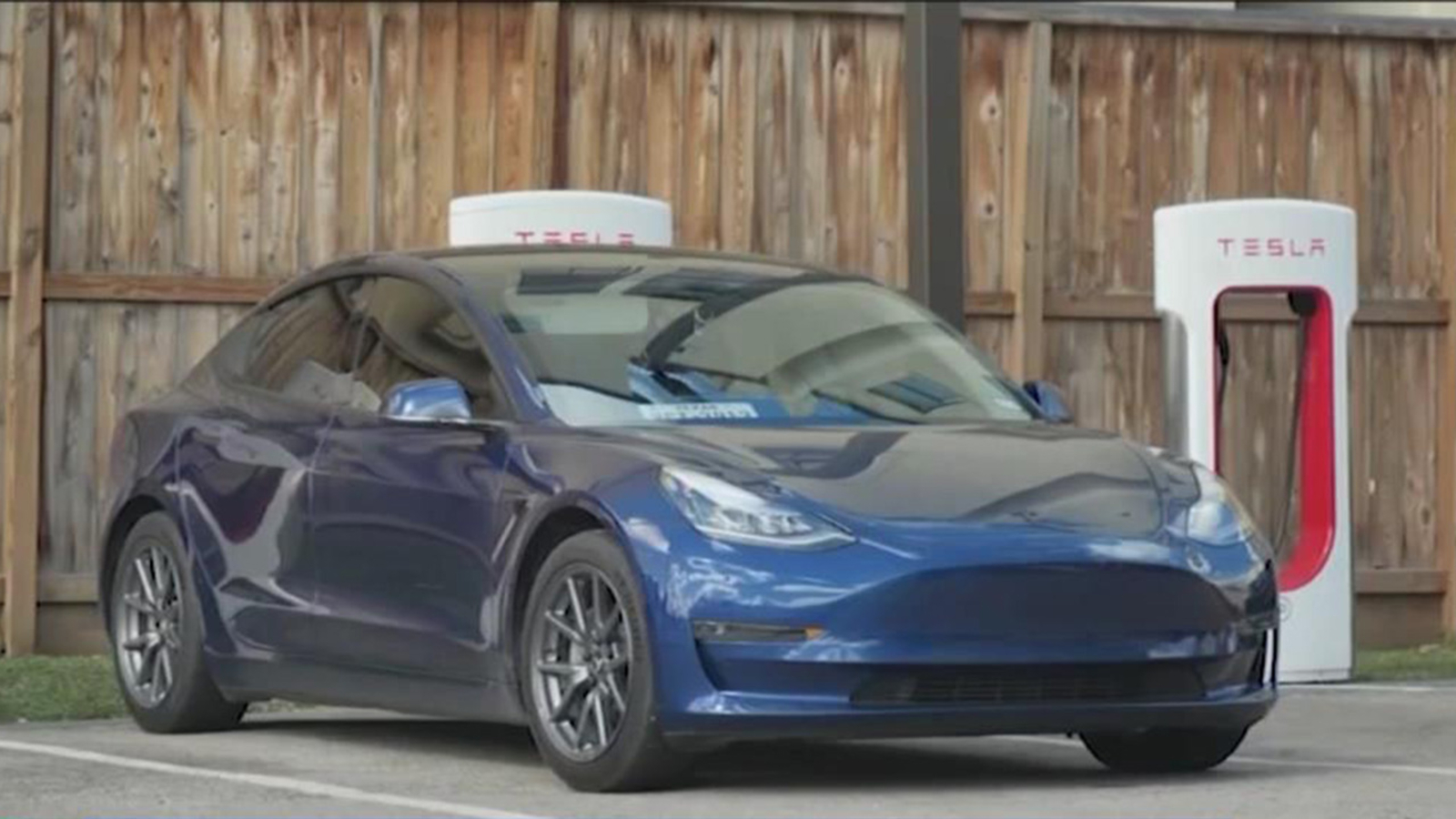
"You know, that comes into play. Do you need the heat on? Is it windy? When we do the testing and we develop what we say the range is, the EV6, for example, has an ideal range of 271 miles. It's probably closer to 225."
"So, when you come home, you're able to charge it on your own time, typically off peak, so the recharging of your battery is less expensive versus having a stop at a gas station."
"I also really appreciate, especially in the winter, how easy it is to quickly warm my car up, especially when it's plugged in,"
"Just having a simpler vehicle means that you're there is less maintenance, so there's less need to go and, you know, go into the dealership all the time,"
Electric vehicle battery performance and driving range decline in extreme weather, especially cold temperatures and windy conditions. Driving aggressiveness and cabin heat use further reduce real-world range compared with ideal testing figures; one example gives an ideal EV6 range of 271 miles but notes a real-world figure closer to 225 miles. Home charging allows owners to top up off peak, making recharging less expensive than gas stops for many commutes. EVs simplify drivetrain complexity, which typically reduces maintenance needs. Quick pre-warming while plugged in improves winter comfort and convenience for owners.
Read at ABC7 Los Angeles
Unable to calculate read time
Collection
[
|
...
]