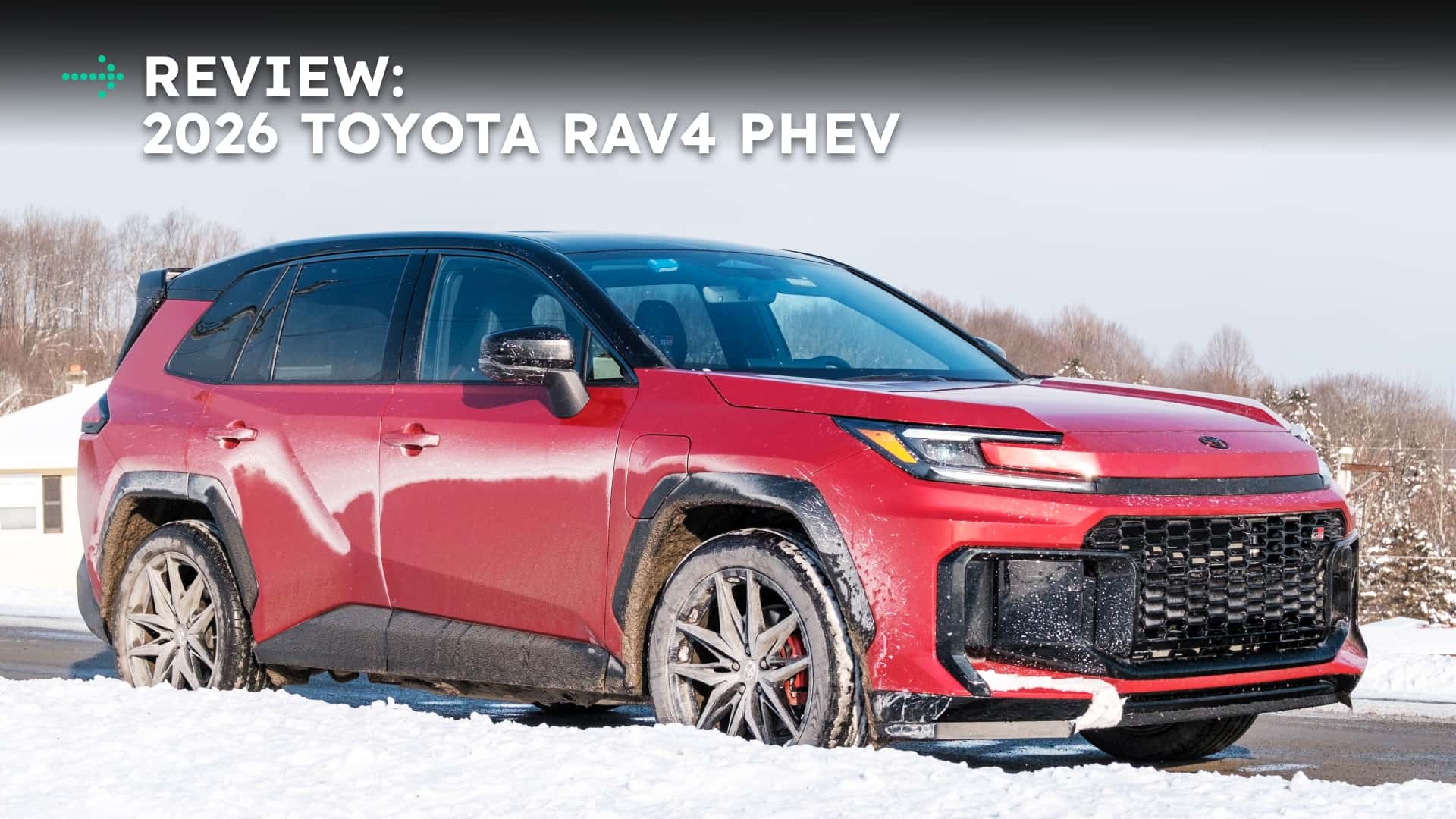
"Plug-in hybrids are like communism: great in theory, but often lacking in real-world execution. A car that can run on electricity for nearly all of most Americans' daily drivingabout 30 to 40 milesbut still has a gas engine for longer trips seems like it should be the ultimate do-everything vehicle. In reality, however, it's highly debatable whether owners actually plug them in."
"They're also expensive to build, mechanically complicated, and if something goes wrong, you could face the combined repair bills of an electric vehicle and a gas engine. It's not surprising that standard non-plug hybrids vastly outnumber and outsell their plug-in hybrid counterparts in the United States. Photo by: Patrick George But Toyota, the undisputed king of hybrids, still thinks the plug-in field has some juice."
Plug-in hybrids aim to provide electric daily driving for typical American commutes (about 30–40 miles) while retaining a gasoline engine for longer trips, but many owners rarely plug them in. They are expensive to build, mechanically complex, and can combine electric and internal-combustion repair costs. Conventional non-plug hybrids outsell plug-in variants in the U.S. Toyota's 2026 RAV4 Plug-In Hybrid improves efficiency, adds technology, and targets a 20% share of U.S. RAV4 sales. Key specifications include a 2.5-liter Atkinson inline four, a 22.7 kWh battery, all-wheel drive, roughly 48–52 miles of EV range, 320 horsepower, and an estimated 0–60 mph time of 5.2 seconds.
Read at insideevs.com
Unable to calculate read time
Collection
[
|
...
]