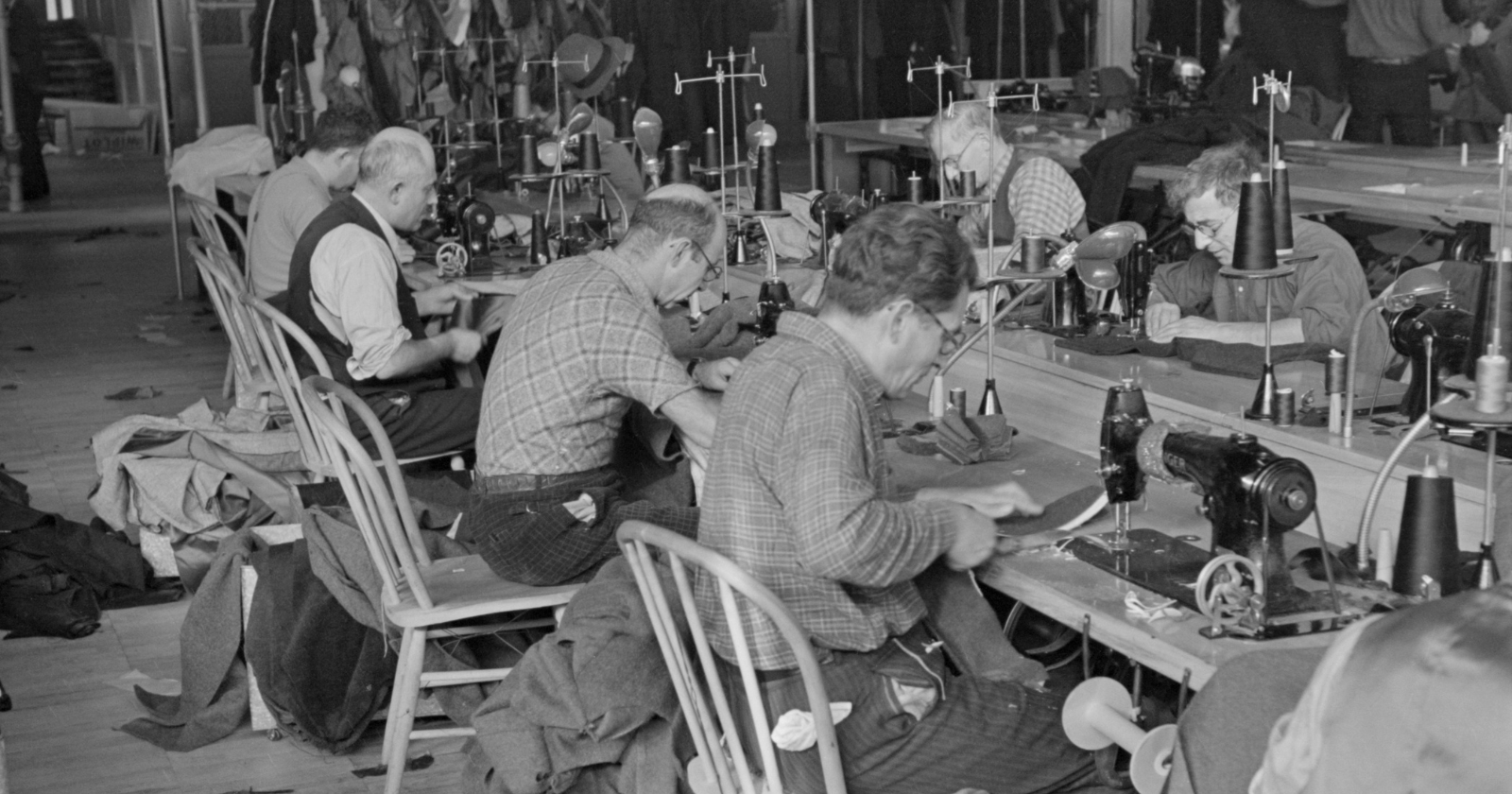
Boomers entered the workforce with a reliable deal that promised stability in exchange for hard work and loyalty. Pensions were standard, and a single income could cover a mortgage. However, this deal collapsed, leading younger generations to witness their parents' layoffs despite loyalty. This experience shaped their views on meritocracy, making them skeptical of traditional work advice. The disconnect between generations arises from differing experiences with the reliability of hard work as a path to success.
"Boomers entered the workforce with something that barely exists anymore: a reliable deal. You show up, you stay loyal, you work hard, and in return, the company gives you stability."
"The problem is that the deal collapsed. Younger generations watched their parents get laid off after decades of loyalty. That shaped how I think about meritocracy to this day."
"When someone from that generation says 'just work hard and you'll be fine,' they're not making it up. They lived it."
"When a twenty-something rolls their eyes at the 'just pay your dues' speech, it's not because they're lazy. It's because the dues don't come with the same guarantees."
Read at Silicon Canals
Unable to calculate read time
Collection
[
|
...
]