"At 9 a.m., a colleague in South Sudan wrote to say that a looming attack forced 17,000 people to flee a single town, with no safe place to turn. At 11 a.m., I learned that war in the Middle East uprooted the lives of many of my colleagues in Iran, Lebanon, Iraq, Syria, and Palestine. By noon, I was scrolling through news stories of deadly landslides in the Democratic Republic of Congo and reports of a migrant boat crash off the coast of Türkiye. We were only a few hours into the day, and I was already shaking with rage and sadness for the lives lost so callously by rampaging humanitarian crises everywhere."
"Holding on to hope in the face of today's overwhelming humanitarian crises feels like running a marathon with no finish line. The human brain and heart were never designed to process this much chaos, grief, outrage, and moral vertigo all at once. With new tragedies popping up in the news every day, it's understandable why so many Canadians are grappling with feelings of helplessness and numbness at staggering rates."
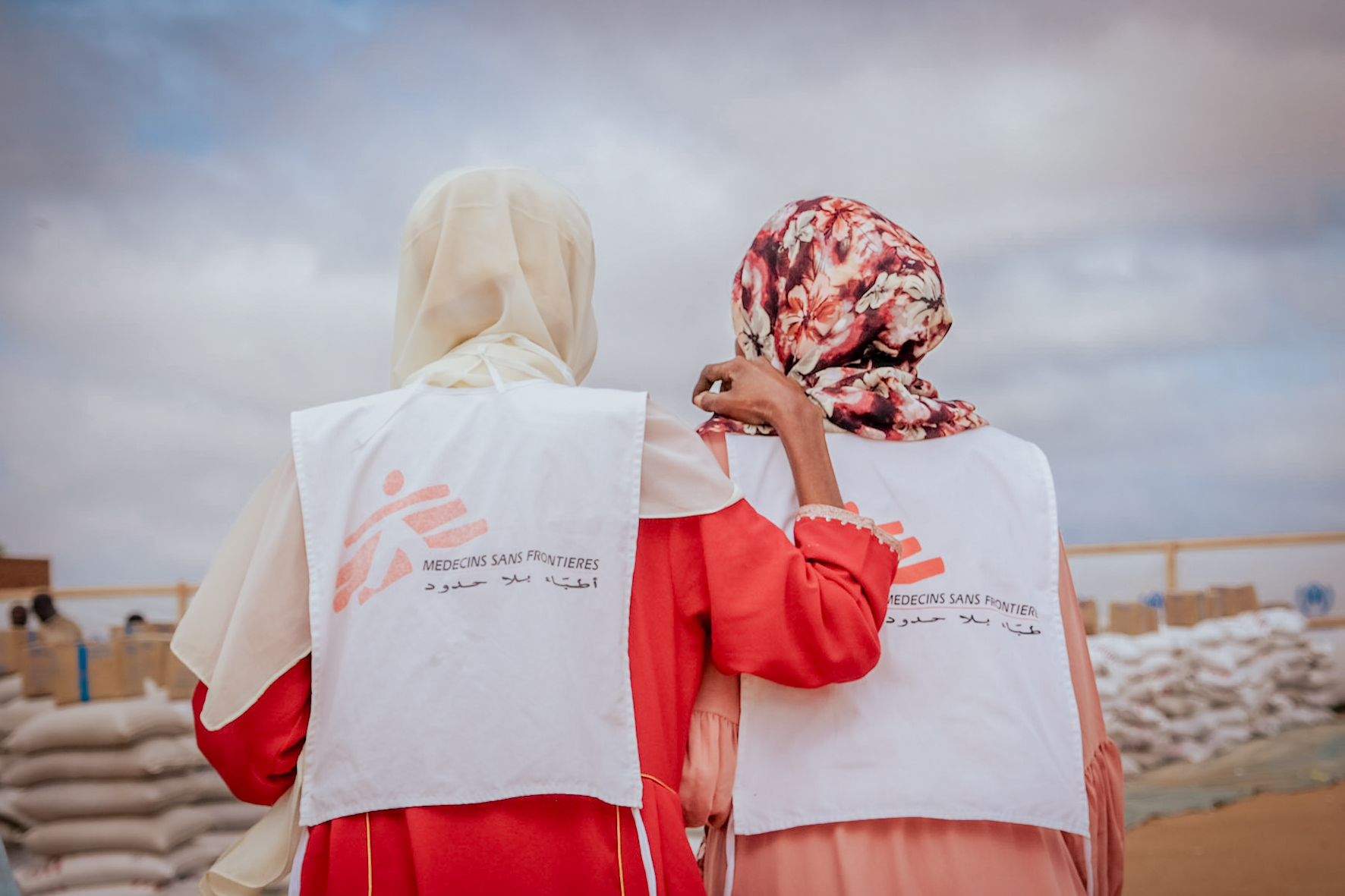
"Yet, that day, something inside me broke. I locked my office door, drew the curtains, and wept in a way I hadn't in a long time. As the executive director of Doctors Without Borders/Médecins Sans Frontières (MSF) Canada, I'm no stranger to the relentless tide of despair and horror that unfolds with the world's wars and disasters. In both my personal and professional lives, I've witnessed the worst humanity has to offer and still held on to the conviction that change is possible."
"According to a 2025 survey from Abacus Data, a quarter of respondents say that global events contribute to their worry and anxiety about their family's future; it's the fourth leading factor "kee"
A spring morning brought a rapid succession of humanitarian emergencies, including forced displacement from an attack in South Sudan, war-driven uprooting across parts of the Middle East, deadly landslides in the Democratic Republic of Congo, and a migrant boat crash off Türkiye. The experience felt suffocating and led to intense grief and rage. Holding on to hope amid constant tragedies is described as like running a marathon without a finish line, because the brain and heart are not built to process relentless chaos, grief, outrage, and moral confusion all at once. Many Canadians report worry and anxiety tied to global events, with a 2025 survey showing a quarter of respondents affected and a significant share experiencing related emotional strain.
Read at The Walrus
Unable to calculate read time
Collection
[
|
...
]