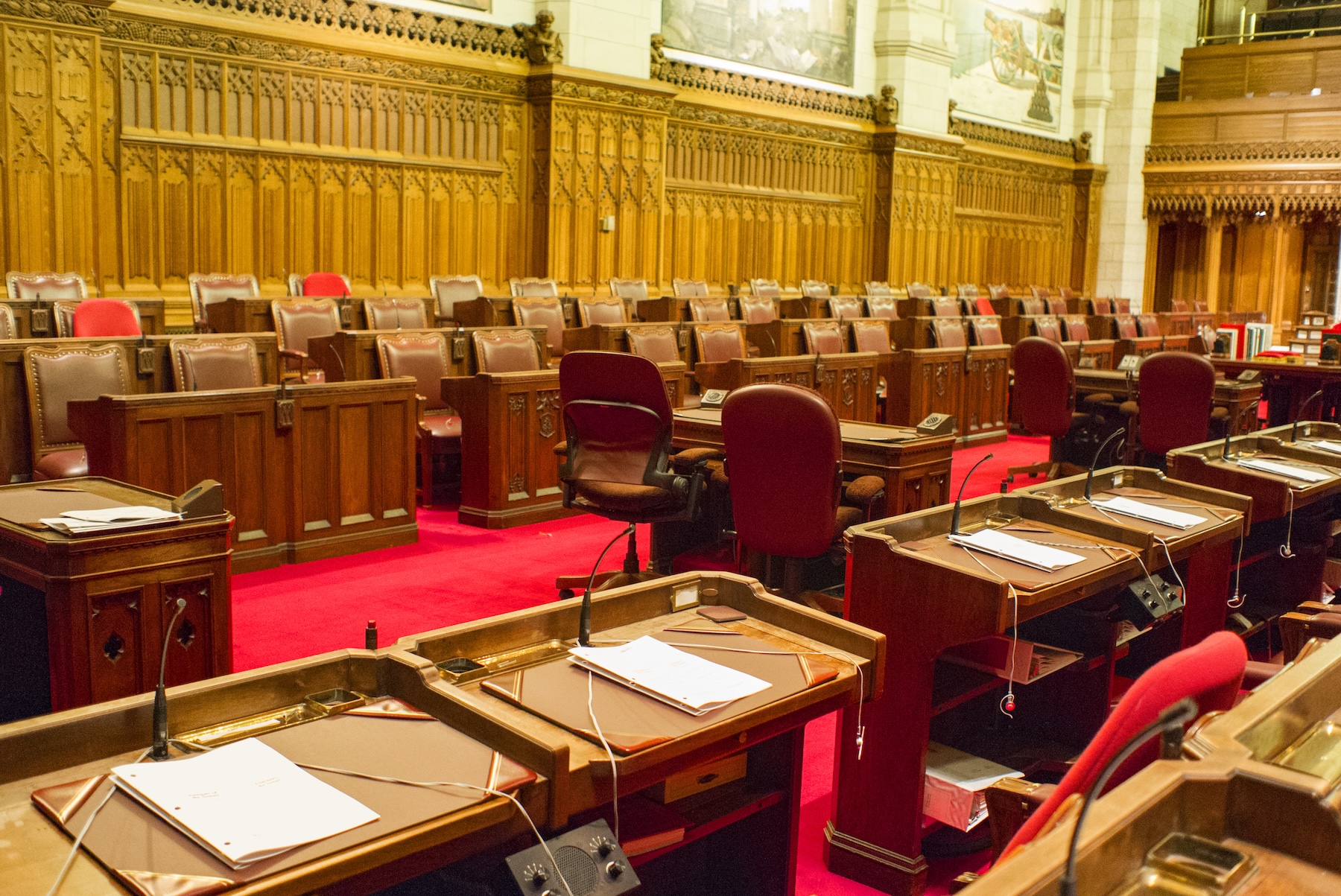
"I n the current Parliament, it can be easy to forget that life in the opposition is meant to be more than a viral performance. The job is not simply to wound the government, but to prepare a government-in-waiting. And yet, there are days when it seems the benches across from the prime minister operate in a permanent state of escalation, where every exchange is calibrated for maximum outrage."
"I know something about that-and about the temptation to score points. I spent nine years on the "wrong" side after being elected in 1984 alongside only thirty-nine other Liberals. I wanted desperately to be in government, but I found my time across the aisle very formative. I participated fully in the parliamentary experience. I was made a critic, served on committees, asked questions, took part in debates, and addressed audiences at functions across the country."
"Serving in opposition taught me how to accomplish tasks with relatively little support or financial firepower. I sharpened my speaking skills and refined my political instincts without being surrounded by a plethora of ministerial staff. It was an ideal way to learn and grow and to be seen. Michael Wilson, a former Tory member of Parliament from Etobicoke and a highly competent finance minister under former Prime Minister Brian Mulroney, had the identical view to mine. In his book Something Within Me, he describes his time in opposition as anything but wasted. "It resembled in many ways an apprenticeship; a period to absorb knowledge and hone skills. When we won power, I was prepared to deal with challenges in a far more capable manner than I would have had I still been a rookie to Parliament.""
Opposition work should focus on preparing for government rather than producing viral confrontations. Time in opposition enables practical learning through critic roles, committee service, debates, and public engagement. Operating with limited resources teaches problem-solving, sharpens speaking, and refines political instincts without ministerial staff. Historical practice treated opposition as an apprenticeship that readied politicians for governing responsibilities. Contemporary strategies often prioritize media exposure, calibrated outrage, and content production, which can undermine the development of governing capability and long-term preparedness.
Read at The Walrus
Unable to calculate read time
Collection
[
|
...
]