"For the first day, I was the first person on the scene, and then my phone died. So, I went home and was reporting from there as the information was coming out, and I was getting more and more media requests. I started saying yes, not because I thought I had the right to tell this story, but mostly because I knew that reporters-or let's say some reporters-have a tendency to not be sensitive in these situations."
"I felt, at the beginning, that part of my job was to get the story out there and basically be a bit of a firewall between the media and the town."
"It's weird. There were a couple of days there-Wednesday, Thursday, Friday-you would see people on the street, and everyone that you saw was a reporter. You can tell who the reporters are because they all have those puffy jackets."
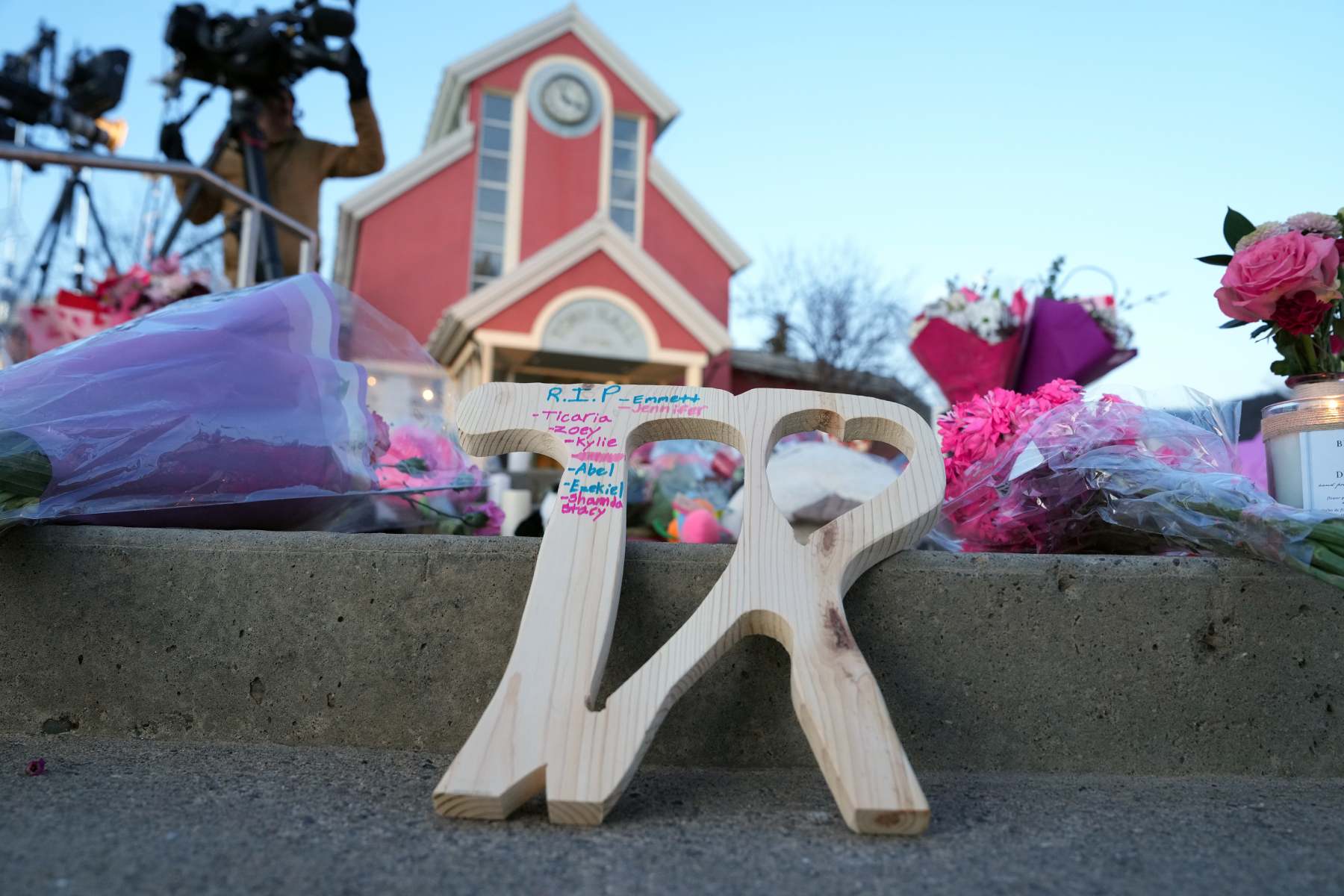
Tumbler Ridge, British Columbia faced one of Canada's worst mass shootings when an eighteen-year-old former student killed her mother, half-brother, an educational assistant, and five students aged twelve to thirteen. Two others were critically injured and twenty-five were assessed at a medical centre. Trent Ernst, publisher of the Tumbler RidgeLines newspaper, was the first journalist to arrive at the scene. As his phone died, he returned home to report as information emerged and media requests multiplied. Ernst deliberately engaged with media coverage, viewing his role as a protective firewall between external reporters and the traumatized community. The influx of journalists from across the country created a surreal atmosphere in the small town.
Read at The Walrus
Unable to calculate read time
Collection
[
|
...
]