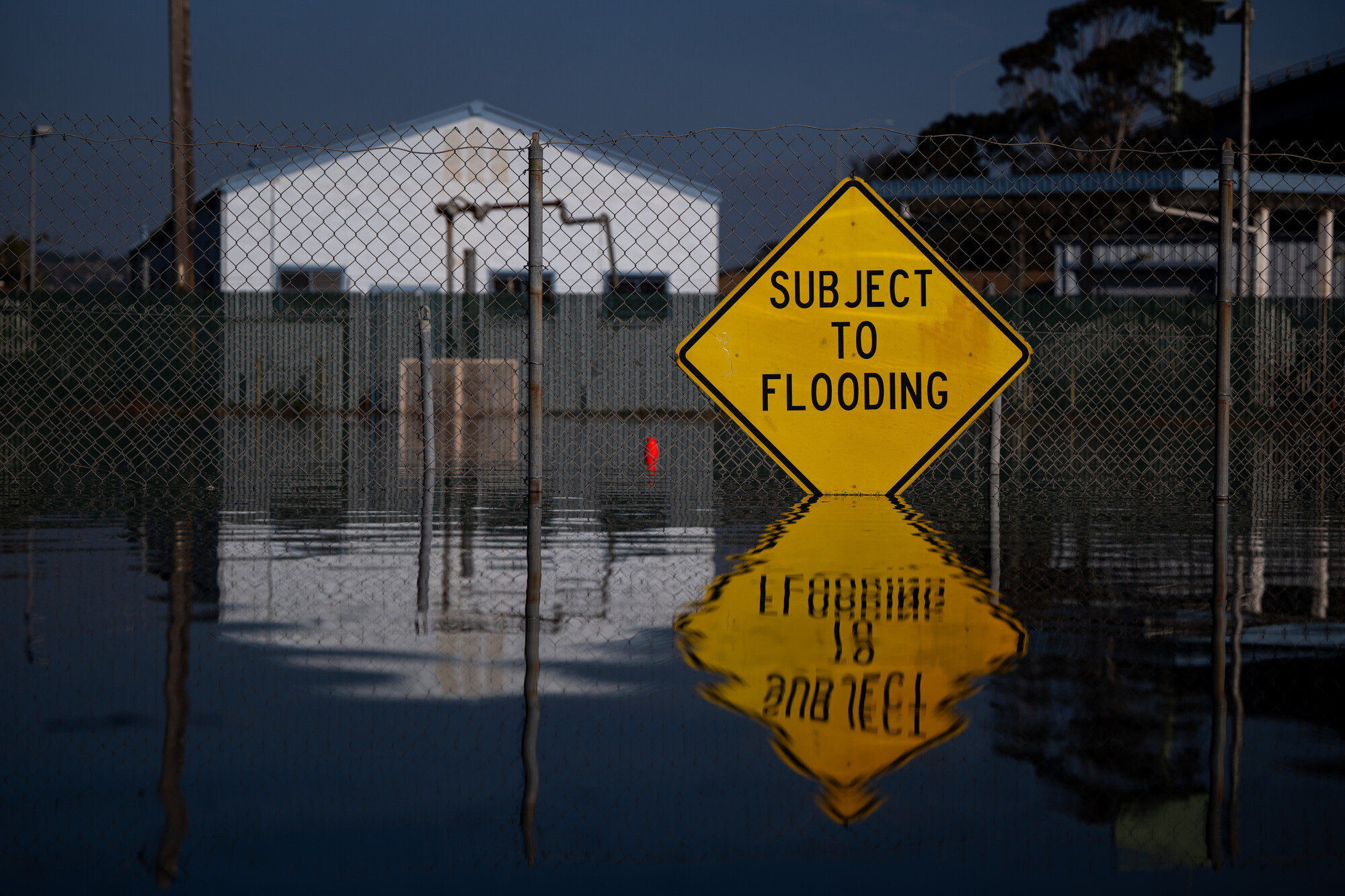
"Newsom's administration has touted his climate leadership, which has led to California's historic build-out of battery storage and the landmark program designed to reduce greenhouse gas emissions, newly renamed cap-and-invest - in California. But some environmental advocates and experts are second-guessing his climate record, including his support of legislation streamlining approval of new oil and gas wells, and not advocating for legislation that aims to hold industries accountable for fossil fuel-driven climate disasters."
"Residential electricity rates for Pacific Gas and Electric, the backbone of the Bay Area's energy ecosystem, increased by 47% from 2019 to 2023, not adjusting for inflation, according to the state's Legislative Analyst's Office. Much of that increase is a result of more intense and frequent wildfires. Customers are paying for both past disasters and preparing the grid for future calamities."
"The increase in electricity costs presents more than just an affordability challenge; it conflicts with state goals to move away from natural gas in order to reduce emissions. It's a big ask to encourage people to swap out a gas furnace for an electric heat pump if it means a higher overall utility bill. This year, we'll be watching how legislators, regulators and utilities propose ways to lasso runaway electricity bills."
The governor's race will shape California climate policy amid achievements in battery storage and a renamed cap-and-invest program alongside criticism for supporting streamlined oil and gas well approvals and avoiding industry-accountability laws for fossil-fuel disasters. The incoming governor can act on wildfires, energy reliability, drought, sea level rise, and fossil fuel reduction. Proposals include breaking up investor-owned utilities after a prolonged San Francisco blackout. Residential electricity rates for PG&E rose 47% from 2019–2023, driven by wildfires and grid hardening costs, complicating electrification goals and straining affordability while policymakers search for solutions.
Read at Kqed
Unable to calculate read time
Collection
[
|
...
]