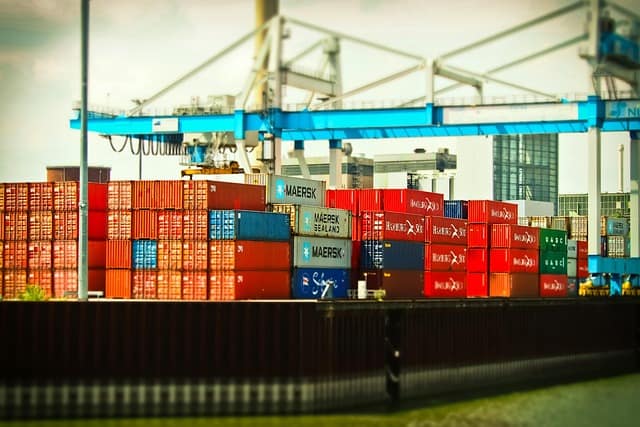
"Supply chains have grown larger and more complex than ever. Products travel through multiple handlers, carriers, and storage locations. Each handoff creates a small window where interference could occur. Even minor tampering can lead to serious consequences. If someone alters a shipment, the damage may go beyond lost goods. Customers may receive compromised items. Retailers may face returns or recalls."
"Security seals don't physically stop someone determined to open a container. Instead, they provide tamper evidence. The goal is to show whether someone accessed a package after it left its origin. Once you apply a seal, the locking mechanism cannot be opened without breaking it. If someone tries to remove it, the seal will snap, deform, or show clear damage."
"Security seals act as visible proof that a shipment stayed closed from origin to arrival. They signal trust and accountability. If you manage inventory, ship products, or oversee logistics, understanding how security seals work can help you protect goods and maintain confidence across your supply chain."
Modern supply chains involve multiple handoffs through warehouses, vehicles, and distribution centers, creating numerous points where goods can be tampered with, stolen, or contaminated. Security seals serve as a critical safeguard by providing visible proof that shipments remain closed from origin to destination. These seals work by breaking, snapping, or showing clear damage if someone attempts to open or remove them, alerting handlers to potential compromise. Tampering poses serious risks including customer receipt of compromised items, returns, recalls, and compliance violations in regulated industries. Security seals don't physically prevent determined tampering but instead provide tamper evidence, signaling trust and accountability throughout the supply chain. Working with trusted manufacturers ensures seals consistently meet performance standards.
Read at London Business News | Londonlovesbusiness.com
Unable to calculate read time
Collection
[
|
...
]