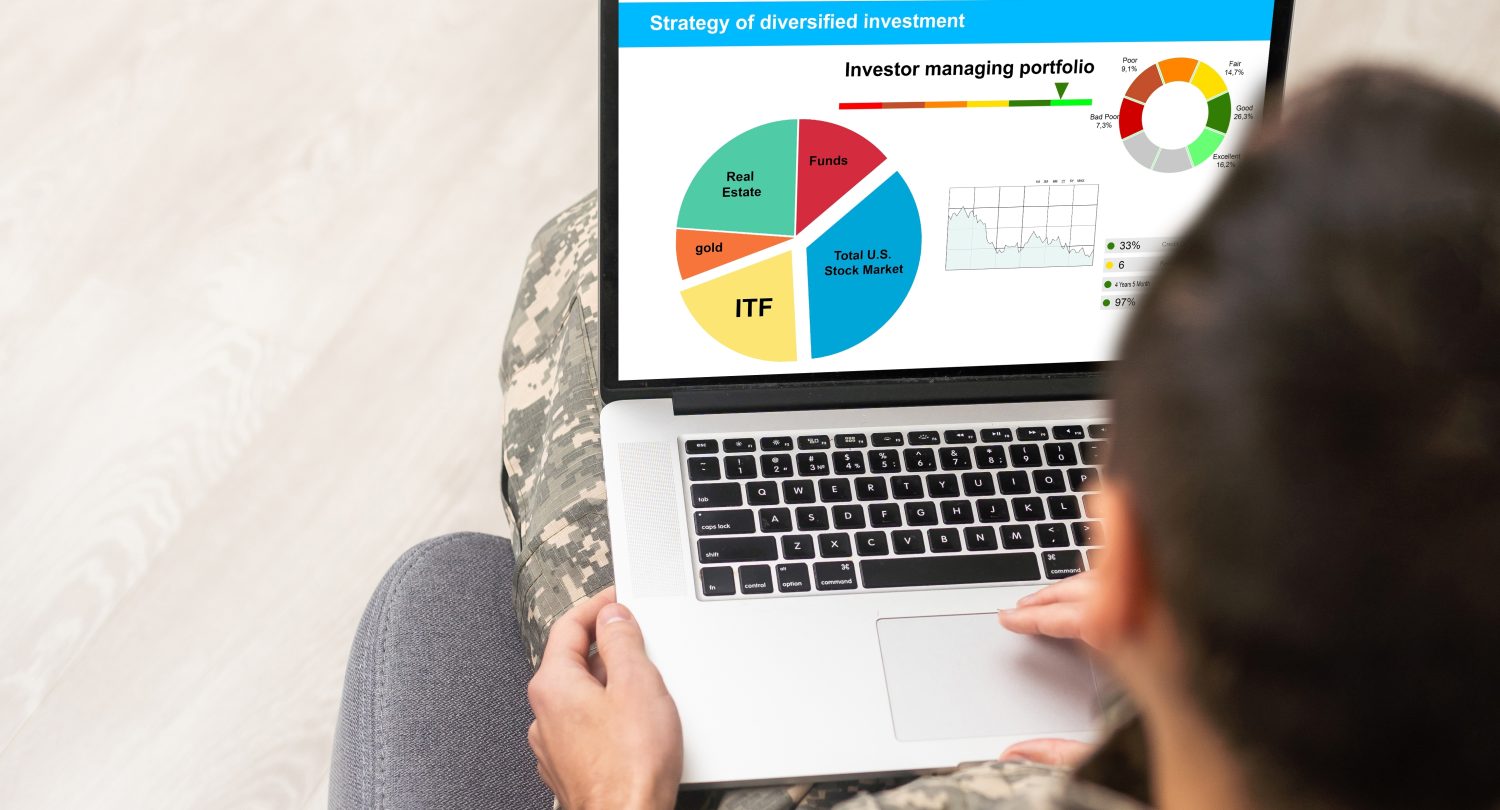
"During your working years, skipping a quarterly rebalance rarely mattered much as you believed time was on your side. If your portfolio drifted toward stocks during a bull market, you had decades to recover if things went wrong. The accumulation phase rewarded patience and forgave procrastination, all while naturally diluting imbalances, and if the stakes felt low, it was because they likely were."
"Retirement changes this calculation entirely as new money isn't really flowing in, so portfolio drift compounds rather than corrects. Withdrawals amplify the damage from poorly timed market declines. The psychological barriers to rebalancing, such as selling winners, buying losers, grow stronger precisely when discipline matters most. The retiree who delays rebalancing isn't just accepting a red flag, they're accepting a fundamentally different risk profile than the one they planned for."
"A portfolio that allocates 60% stocks and 40% bonds won't stay this way on its own. During a bull market, stocks will outperform, and the allocation drifts upward, 65% and 70% stocks, or maybe even higher. This happened to many retirees between 2020 and early 2022, as equities surged while bonds stagnated. Portfolios that were designed to be more moderate became aggressive without any kind of conscious decision-making."
In the accumulation phase, time and ongoing contributions often mask missed rebalancing and naturally dilute allocation imbalances. Retirement eliminates regular inflows, so portfolio drift compounds and withdrawals typically accelerate the shift toward equities. Psychological resistance to selling winners and buying losers strengthens when discipline matters most, turning procrastination into a materially different risk profile. The costs of delayed rebalancing are often invisible on statements but emerge during market declines, producing deeper losses and slower recoveries that can leave retirement income and lifestyle more constrained than planned.
Read at 24/7 Wall St.
Unable to calculate read time
Collection
[
|
...
]