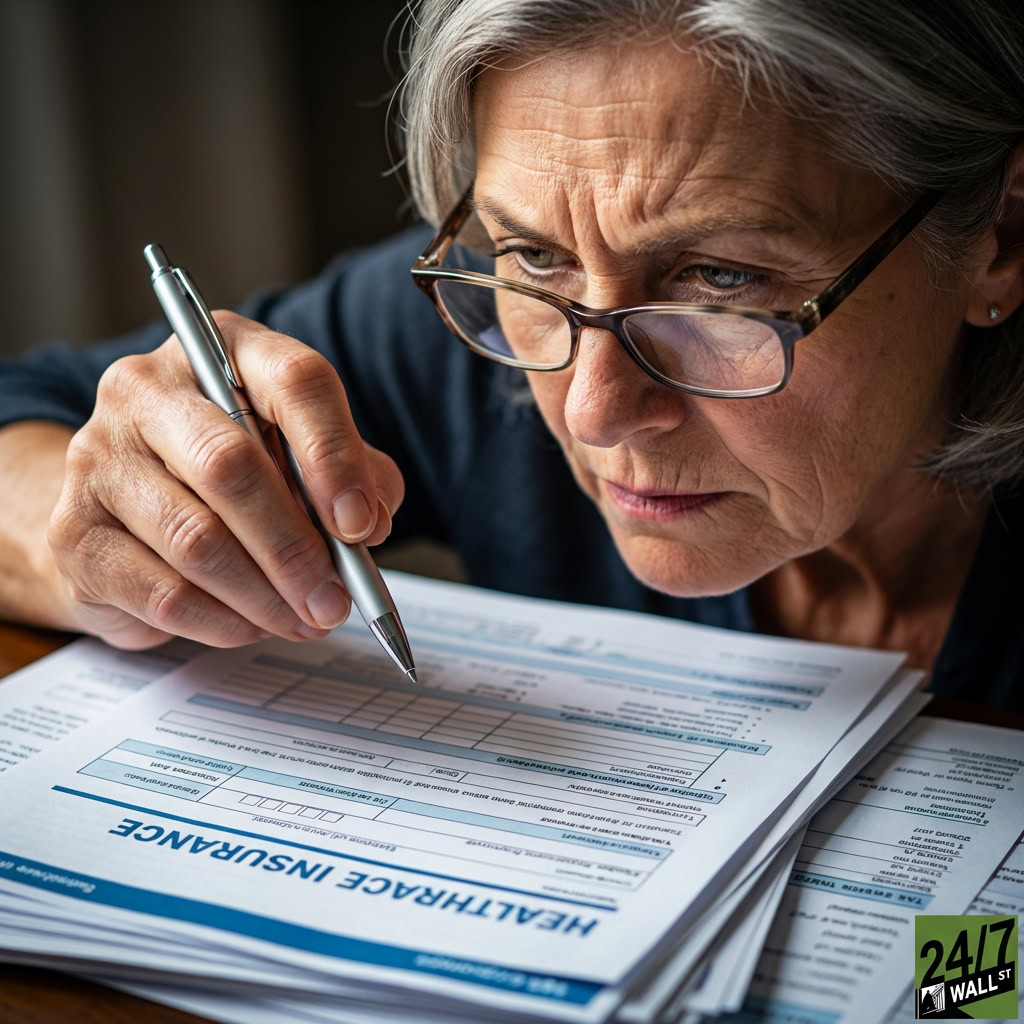
"The fundamental challenge centers on balancing immediate income security against longevity risk. With life expectancy potentially extending 20 to 25 years, inflation will erode purchasing power significantly. A woman retiring today at 66 could live into her late 80s or beyond, meaning her portfolio must sustain withdrawals while maintaining growth. Social Security survivor benefits provide the foundation. A widow receives the higher of her own benefit or 100% of her deceased spouse's benefit. If she received $2,000 monthly but her husband received $3,200, she now gets $3,200. However, household expenses don't drop proportionally. Research shows a surviving spouse typically needs 75% to 80% of the couple's previous income."
"Portfolio allocation matters enormously. A conservative 60% bond, 40% stock allocation prioritizes stability but may not outpace inflation over two decades. With long-term Treasury bonds currently yielding around 4.6% (as reflected in TLT's dividend profile) and stocks returning 14.5% over the past year, the tradeoff is clear: safety"
A newly widowed 66-year-old faces the shift from joint to individual financial planning, balancing Social Security survivor benefits with portfolio withdrawals. Survivor benefits provide a baseline, often replacing the higher spouse benefit, but typical household expenses mean a surviving spouse may still need 75%–80% of prior income. Asset allocation decisions must weigh stability against inflation and longevity risk, since conservative bond-heavy mixes may not keep up with rising costs over decades. Key considerations include tax planning, withdrawal sustainability, required minimum distributions starting at age 73, and deciding between income solutions, growth investments, and professional financial advice.
Read at 24/7 Wall St.
Unable to calculate read time
Collection
[
|
...
]