"Electric vehicle stocks haven't fared well ever since the EV tax credit expired on September 30, 2025. While some companies delivered excellent results leading up to the deadline, that's more of a reflection of last-second buyers than a long-term trend that puts electric vehicles back on top. The EV boom peaked during the pandemic, with SPACs making the public markets more accessible to questionable companies like Nikola Motors."
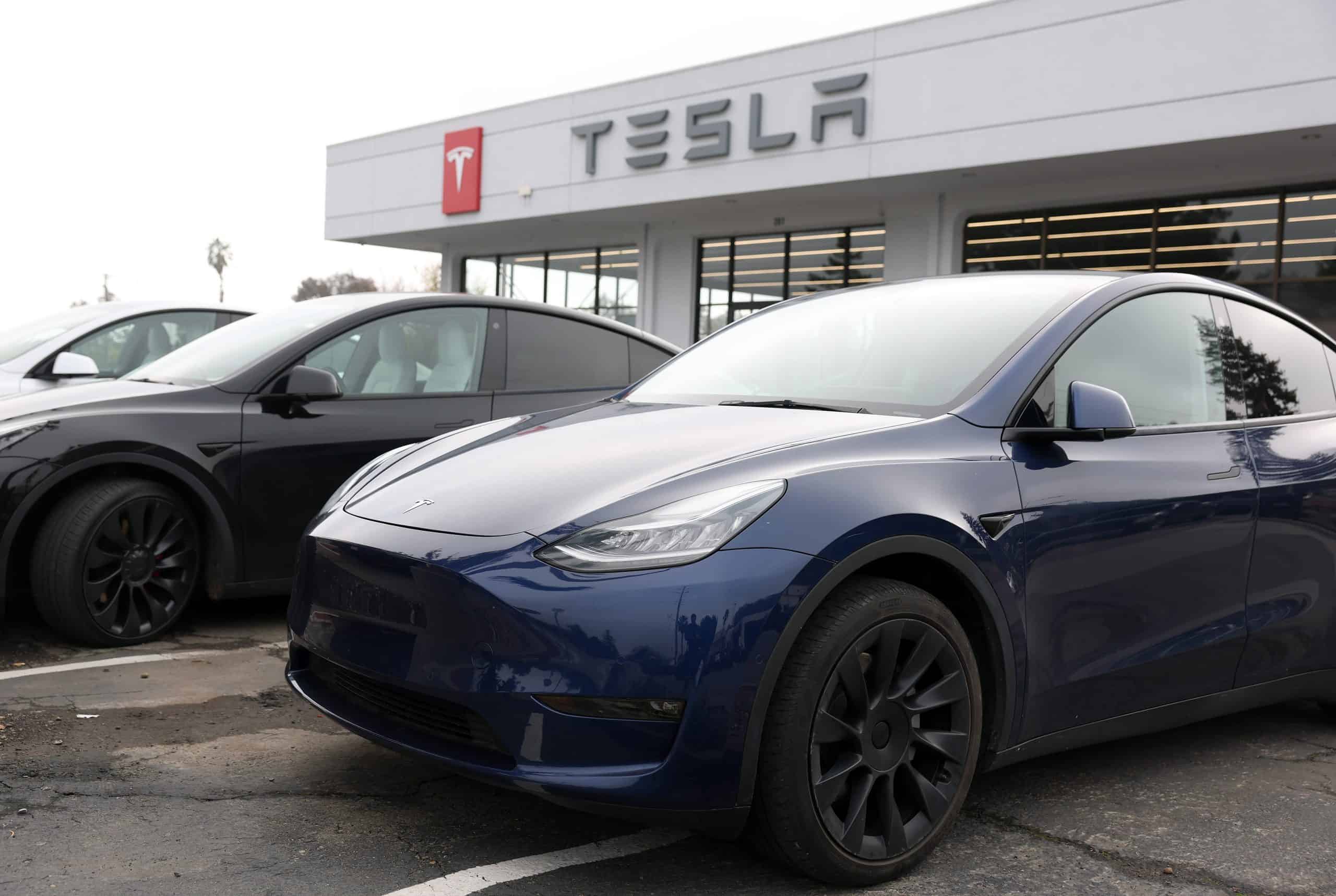
"Tesla ( NASDAQ:TSLA) is the leading EV maker in the U.S., and even its status as a luxury auto manufacturer couldn't save it from declining market share. The company delivered 418,227 vehicles in Q4 2025, which is a decline from 495,570 deliveries in Q4 2024. That's a 15.6% year-over-year decline. It's also an accelerated dip from Tesla's overall decrease in deliveries in the full-year 2025."
"Tesla wasn't the only EV maker to sell fewer vehicles. Competitors like Rivian ( NASDAQ:RIVN) also lost market share. Buying an EV was once a path to a tax credit of up to $7,500. That's a major incentive, and now it's gone. Many consumers have followed suit and feel less inclined to buy electric vehicles. President Trump's recent capture of Venezuelan President Maduro and his desire to acquire Greenland can dramatically increase the U.S. oil supply, and that will translate into lower gas prices."
Electric vehicle stocks dropped after the EV tax credit expired on September 30, 2025, and recent sales spikes reflected last-minute purchases rather than sustainable demand. The pandemic-era EV boom and SPAC activity brought many weaker EV companies to public markets. Tesla's deliveries fell to 418,227 in Q4 2025 from 495,570 a year earlier, and full-year deliveries declined from 1.8 million to 1.6 million. Rivian and other competitors also lost market share. The removal of up to $7,500 in tax credits removed a significant consumer incentive. Potential increases in U.S. oil supply could lower fuel prices and further favor traditional vehicles over EVs.
Read at 24/7 Wall St.
Unable to calculate read time
Collection
[
|
...
]