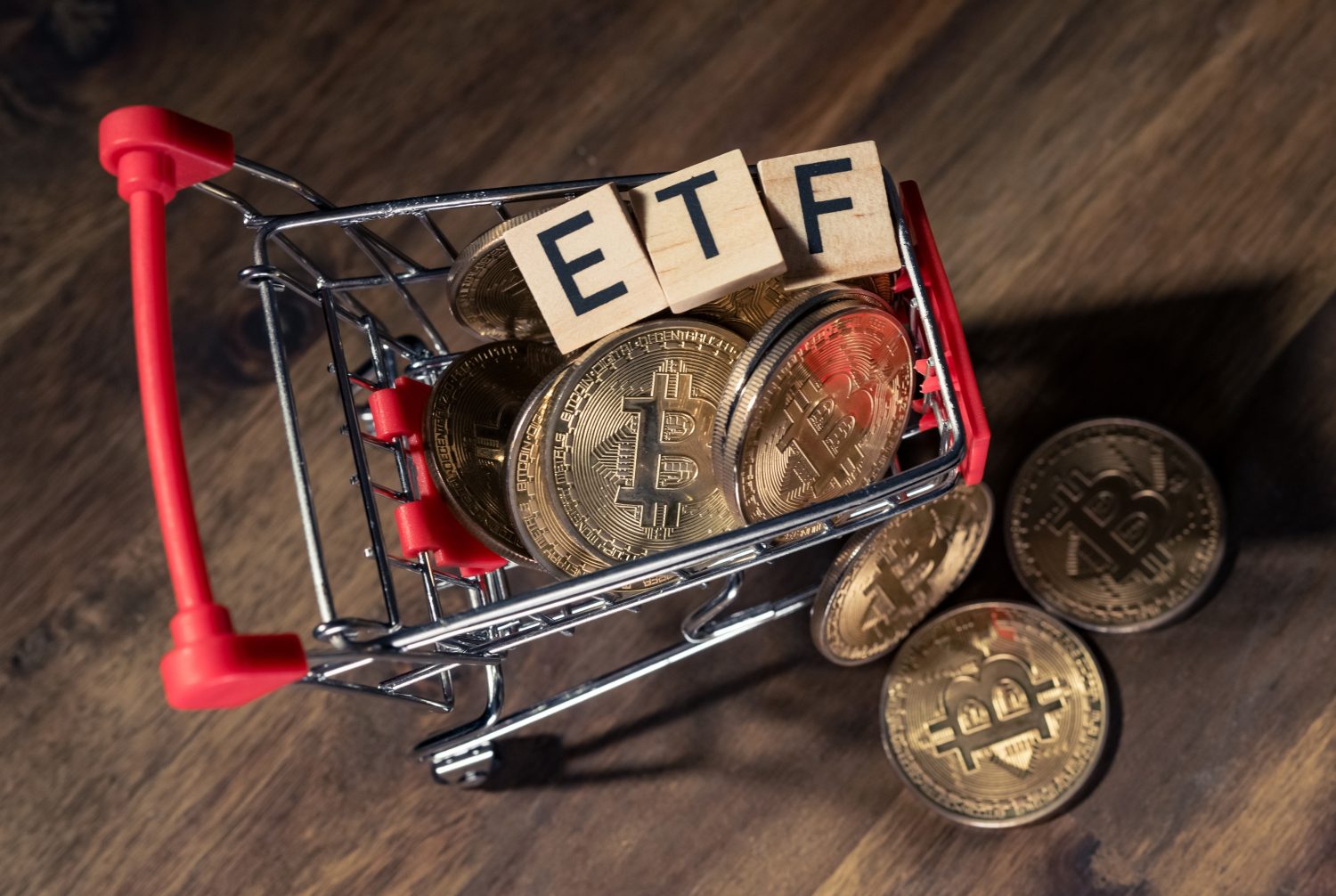
"The biggest reason the bulk of my money is in ETFs is that I feel investing in exchange-traded funds gives me the best chance of success. See, I've invested heavily in ETFs that track the performance of the S&P 500, which gives me exposure to around 500 of the largest companies in the U.S. The S&P 500 has very consistently produced an average annual return of 10% since the late 1950s."
"In fact, around 86% of professional fund managers have struggled to match the performance of the S&P 500 over the past five years, according to S&P Global. Of course, there are never any guarantees of future performance. But the S&P 500's long and consistent track record makes it as close to a sure thing as you can get. I'd rather have the certainty of knowing the odds are very high that I'll make at least 10% on my money"
Approximately 90% of the investor's portfolio is allocated to exchange-traded funds, with a focus on ETFs that track the S&P 500. The S&P 500 has averaged about 10% annual returns since the late 1950s. Around 86% of professional fund managers failed to match the S&P 500 over the past five years, according to S&P Global. The investor values the higher probability of steady, market-matching returns over attempting to consistently beat the market with individual stock picks. ETFs reduce the need for detailed company analysis and continual monitoring. The approach emphasizes diversification, simplicity, and long-term growth.
Read at 24/7 Wall St.
Unable to calculate read time
Collection
[
|
...
]