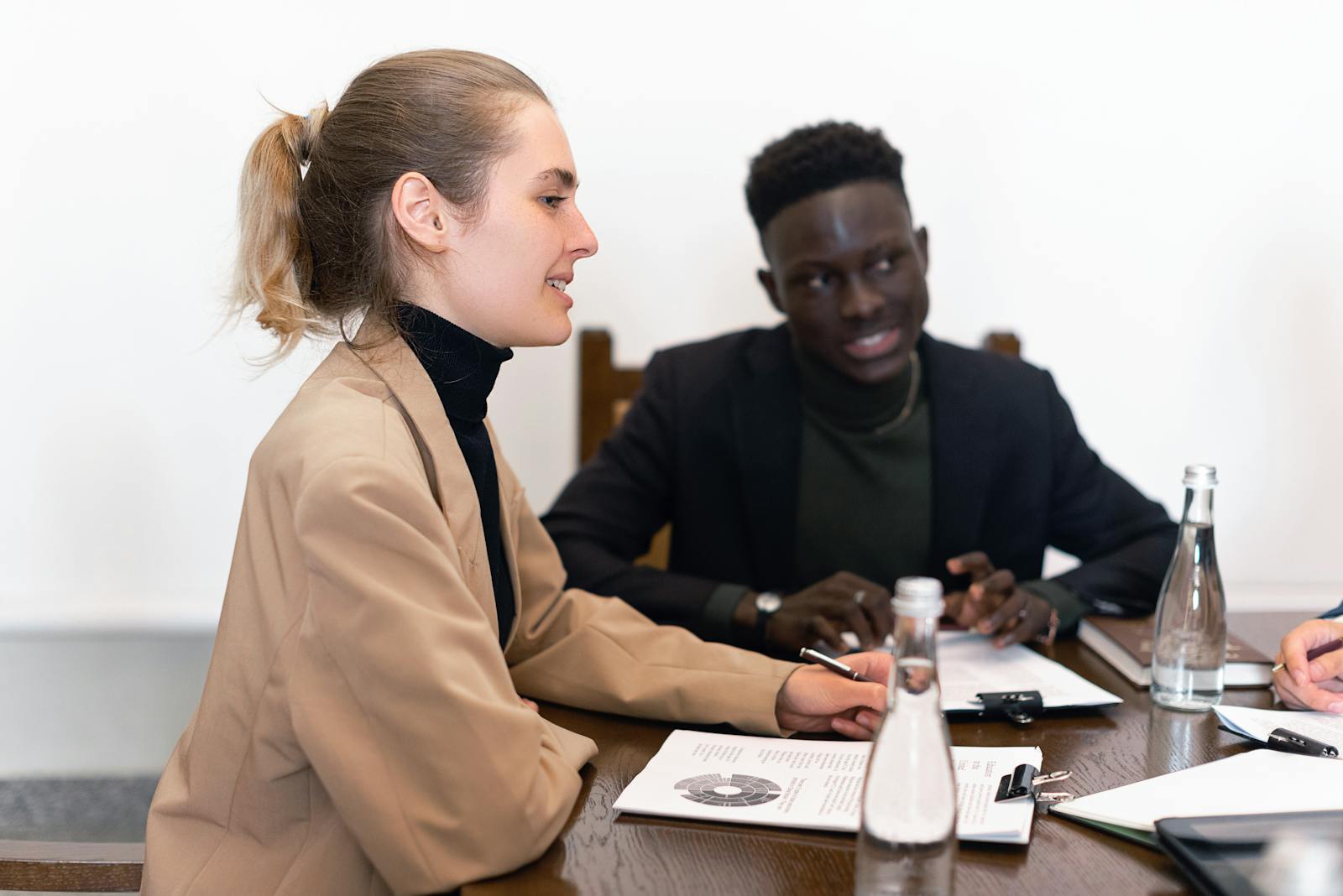
Through systematic observation of over ninety meetings across three organizations, a clear pattern emerged regarding workplace interruptions. Job title proved a weak predictor of who gets interrupted, and while gender played a role consistent with research showing women interrupted more frequently, the strongest determinant was individual response behavior. People who paused and yielded after being interrupted faced repeated interruptions within minutes, while those who continued speaking, raised their volume, or ignored the interruption were almost never interrupted again in the same meeting. This suggests interruption dynamics stem from learned conversational rules developed before entering professional environments.
"Across roughly ninety meetings, I logged over 600 interruptions. A few things jumped out immediately. First, job title was a weak predictor. Senior directors got interrupted. Interns occasionally held the floor without challenge. Second, gender played a role, but a more complicated one than the usual narrative suggests. Women were interrupted more often, yes, consistent with research from a well-cited 2017 study in the Journal of Language and Social Psychology, but the effect was amplified or muted depending on something harder to quantify."
"The single strongest predictor of whether someone got interrupted was how they responded the first time it happened. People who paused and yielded the floor after being cut off were interrupted again within minutes. People who kept talking, even slightly raising their volume or simply continuing their sentence as if the interruption hadn't occurred, were almost never interrupted a second time in the same meeting."
#workplace-communication #meeting-dynamics #interruption-patterns #professional-behavior #conversational-norms
Read at Silicon Canals
Unable to calculate read time
Collection
[
|
...
]