"Excellent descriptions of trauma abound, including memoirs, but they are logical and descriptive, constrained by the conventions of straightforward narrative. But trauma itself upends the usual modes of narrative by which we think about our lives: out of sequence and unintegrated, traumatic memories defy the logic that guides our sense of our lives as stories with a past, present, and future. Literary tools such as symbol, allegory, and narrative structure can embody a visceral sense of the ways that trauma can disrupt and diminish a life."
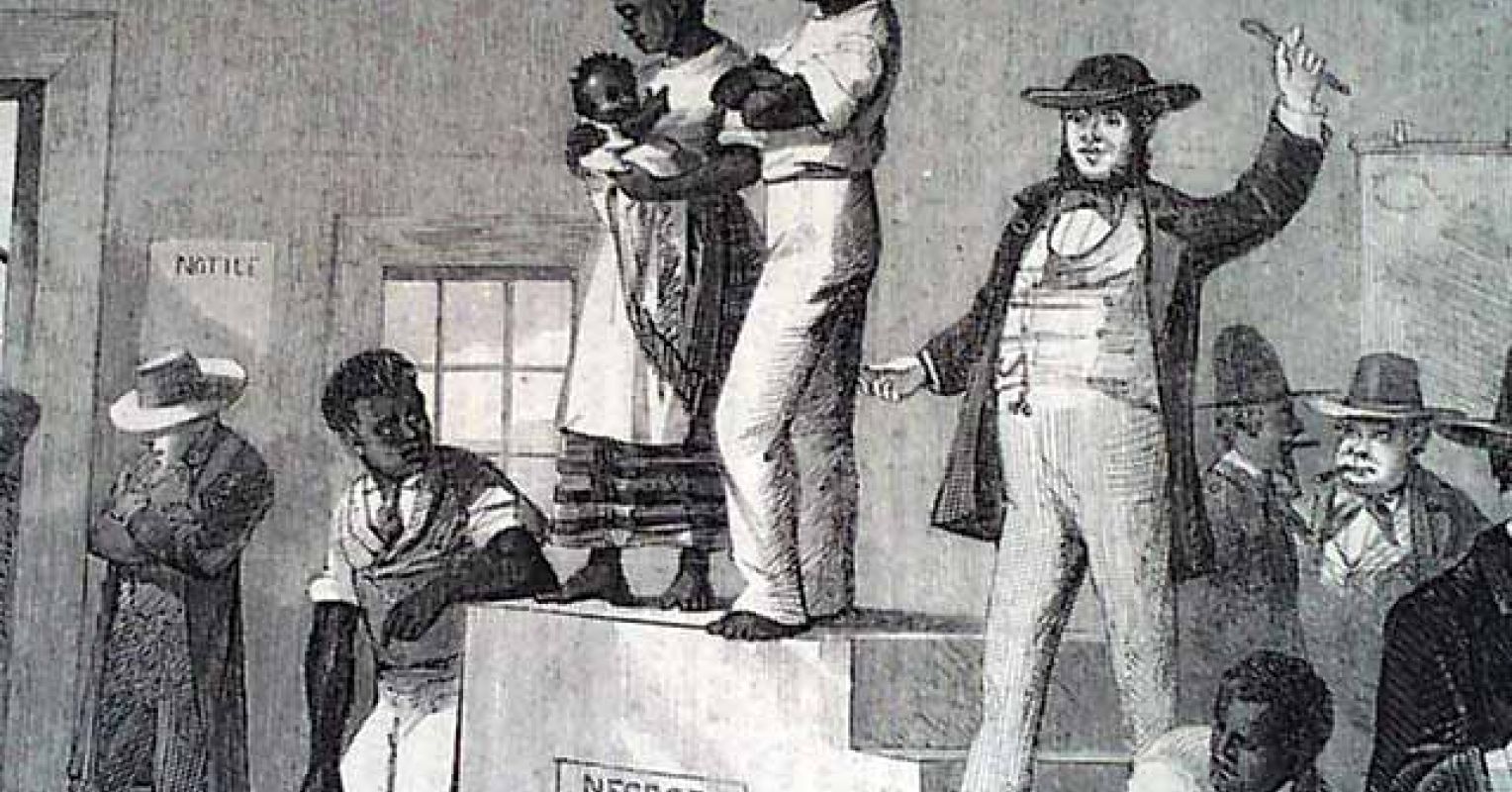
"Trauma affects both mood and belief; Sethe experiences a persistent negative emotional state consisting of depression and intense grief for the death of her child, as well as guilt for the killing. She loses interest in the outside world, and she feels detached and estranged from others, withdrawing into her home and leaving only to go to work and back."
Fiction can render the texture of posttraumatic stress by disrupting chronological narrative and employing symbol, allegory, and structural devices to embody traumatic fragmentation. A protagonist named Sethe endures repeated physical and sexual abuse under slavery and kills her toddler to prevent a worse fate. The character manifests pervasive depression, intense grief, guilt, loss of interest, social detachment, and withdrawal. Traumatic memories remain out of sequence and unintegrated, undermining a coherent past-present-future sense of life. Relinquishing the past often provokes complicated mixed emotions among many survivors of trauma.
Read at Psychology Today
Unable to calculate read time
Collection
[
|
...
]