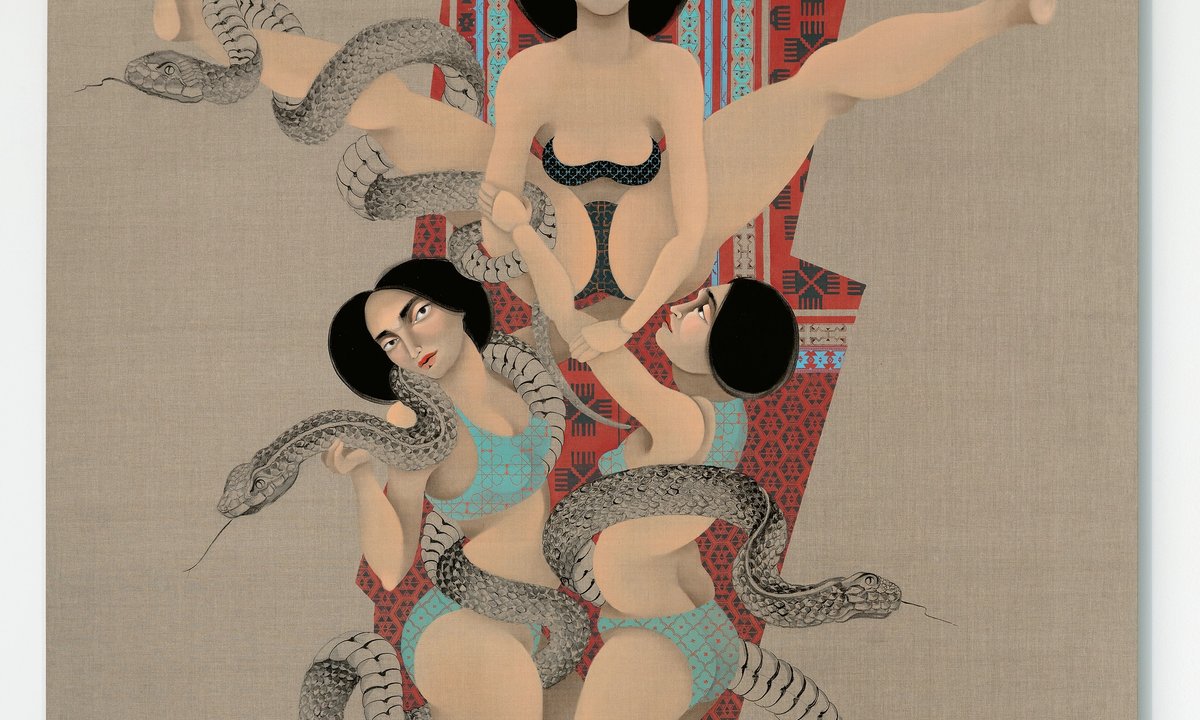
A 2021 Art UK survey of 1,500 London public monuments found one sculpture of a named woman for every two animal sculptures. Public architecture nevertheless displays abundant naked female forms, with bare breasts appearing on buildings from the Foreign Office to the Supreme Court. Renaissance iconography established recurring feminine archetypes—Venus (love), Madonna (mother), witch (hag)—that influenced later representations. Subsequent periods receive concise treatment, while twentieth- and twenty-first-century art receives more attention. Contemporary artists and activist collectives such as Julie Rrap, Barbara Kruger and the Guerrilla Girls are highlighted for celebrating and critiquing female representation.
""There's an extraordinary number of bare breasts on our public buildings," she said, "from the Foreign Office to the Supreme Court.""
""I'm so pleased to be included," Rrap replied. "It's a book I have wanted to find for years.""
""the good, the bad and the ugly of our history""
Read at The Art Newspaper - International art news and events
Unable to calculate read time
Collection
[
|
...
]