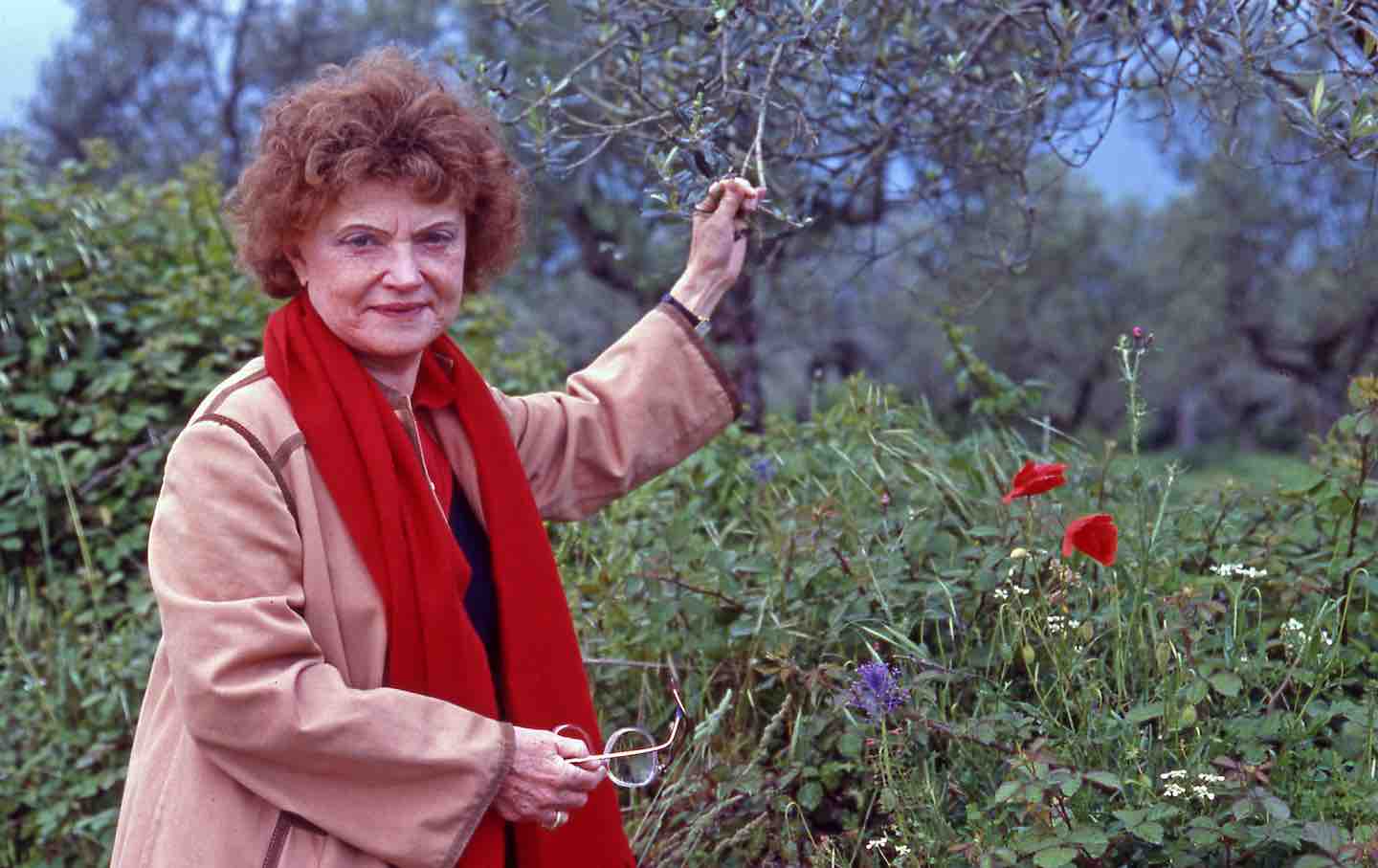
Muriel Spark's novels feature abrupt, often brutal deaths delivered with offhand or theatrical precision. Characters perish by lightning, murder-suicide, corkscrew stabbings, or solicited homicide, and such demises are sometimes presented as incidental narrative moments. These sudden endings generate rival interpretations: some read them as evidence of relish in destruction, while others see them as meditations on providence and ultimate authority tied to Catholic themes. The works also stage the creator's control over fictional lives, equating artistic sovereignty with a kind of omnipotence. Specific examples include Not to Disturb, The Ballad of Peckham Rye, and The Driver's Seat.
"Death comes for us all, but if you're a character in a Muriel Spark novel, it may come faster than you think. In Not to Disturb, a poetry-quoting butler orchestrating the murder-suicide of his master and mistress says of two intruders that they are nothing more than minor characters: "They don't come into the story." The unhappy pair is later dispatched, as if by afterthought, in a subordinate clause:"
"One woman meets her fate, in The Ballad of Peckham Rye, when her lover "came towards her with the corkscrew and stabbed it into her long neck nine times, and killed her. Then he took his hat and went home to his wife." In The Driver's Seat, a woman whose idea of a perfect holiday involves finding a man to murder her orders her assailant to "Kill me" and repeats the command in four languages."
Read at The Nation
Unable to calculate read time
Collection
[
|
...
]