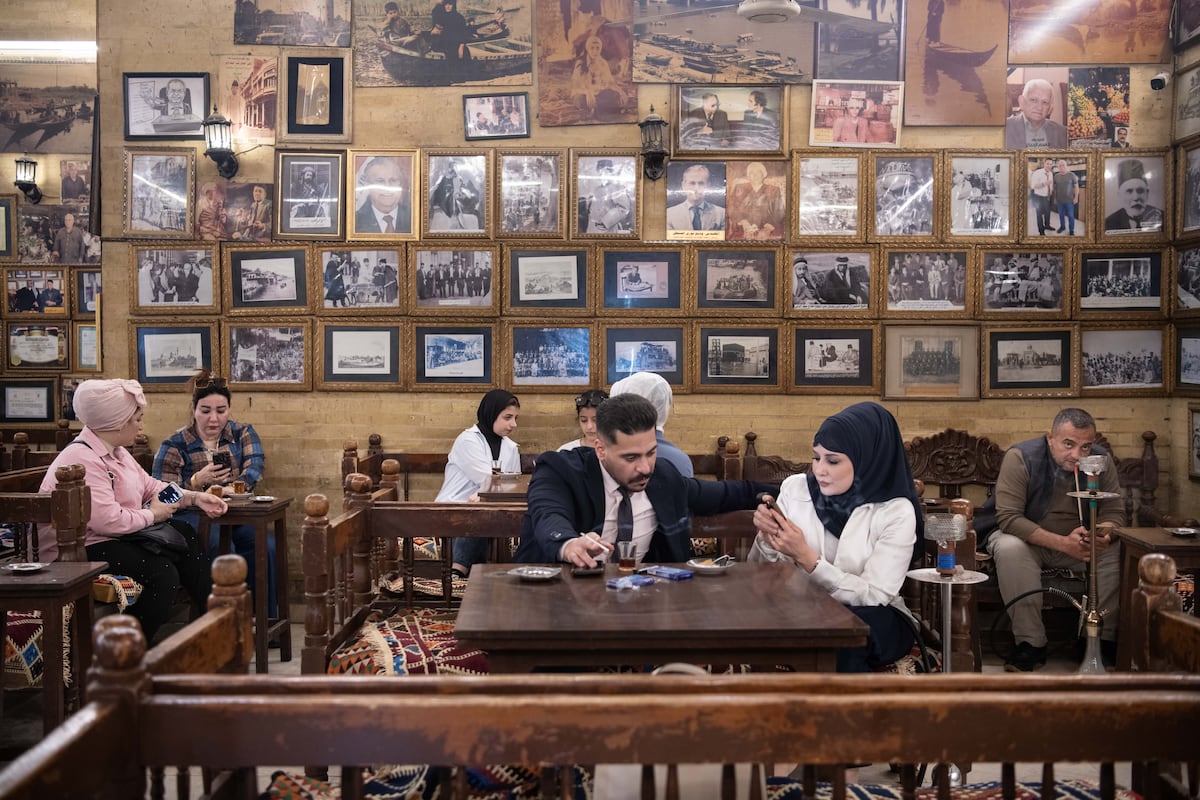
"The Iraqi capital's prestigious book market now sprawls across the Al Mutanabbi district, named after one of the greatest Arab poets, reflecting a vibrant cultural scene despite the scars of violence."
"More than two decades after the U.S. invasion of Iraq, the country's capital, with its eight million inhabitants, is still trying to recover from the devastation."
"Since 2003, the Iraqi economy has danced to the rhythm of war and oil prices, with between 90% and 95% of state revenue dependent on oil."
Baghdad, once an intellectual hub, now struggles with the aftermath of war and economic instability. The Al Mutanabbi district, known for its book market, reflects a vibrant cultural scene despite the scars of violence. The Shabandar Cafe, site of a tragic bombing, symbolizes the city's resilience. The Iraqi economy, heavily reliant on oil, has faced severe challenges since the U.S. invasion, which drastically reduced GDP and led to ongoing instability. The current situation mirrors the fate of Tehran amid regional tensions.
Read at english.elpais.com
Unable to calculate read time
Collection
[
|
...
]