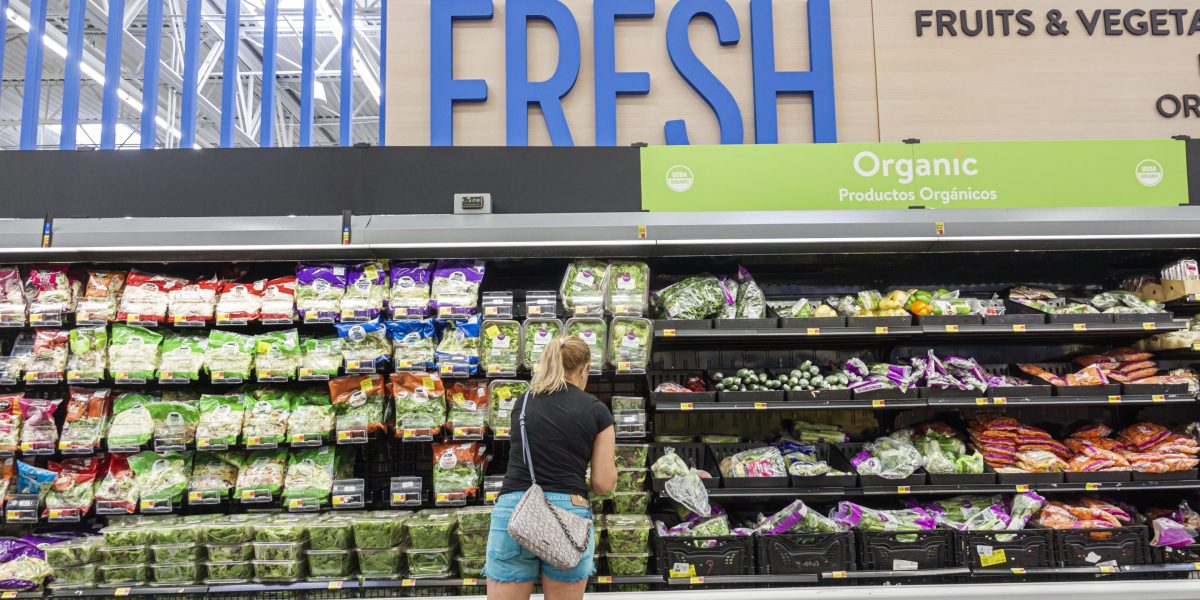
A two-week ceasefire between the U.S., Israel, and Iran has been established, but grocery prices are expected to rise further due to the war. Produce staples like tomatoes and bananas have seen price spikes since the conflict began. The United Nations reported a 2.4% increase in the global food price index. Fuel prices, which account for 15% to 30% of produce costs, have risen significantly, impacting grocery bills. Shipping costs and pre-existing pressures from labor shortages and drought also contribute to rising prices.
""The big recent changes are the war causing spikes in diesel, fertilizer, and chemical prices," Jeffrey Dorfman explained, highlighting the direct impact of the conflict on agricultural costs."
"Dorfman noted that fossil fuels used in farming and distribution account for 15% to 30% of produce costs, indicating how fuel price increases directly affect grocery bills."
""If fuel prices increase by 30%, like they have since the war began, produce, which accounts for about a fifth of a shopping cart, will increase by just 1% to 2%," Dorfman estimated."
"Grocery prices were facing upward pressure even before the war in Iran, due to a growing labor shortage, drought, and other factors affecting supply."
Read at Fortune
Unable to calculate read time
Collection
[
|
...
]