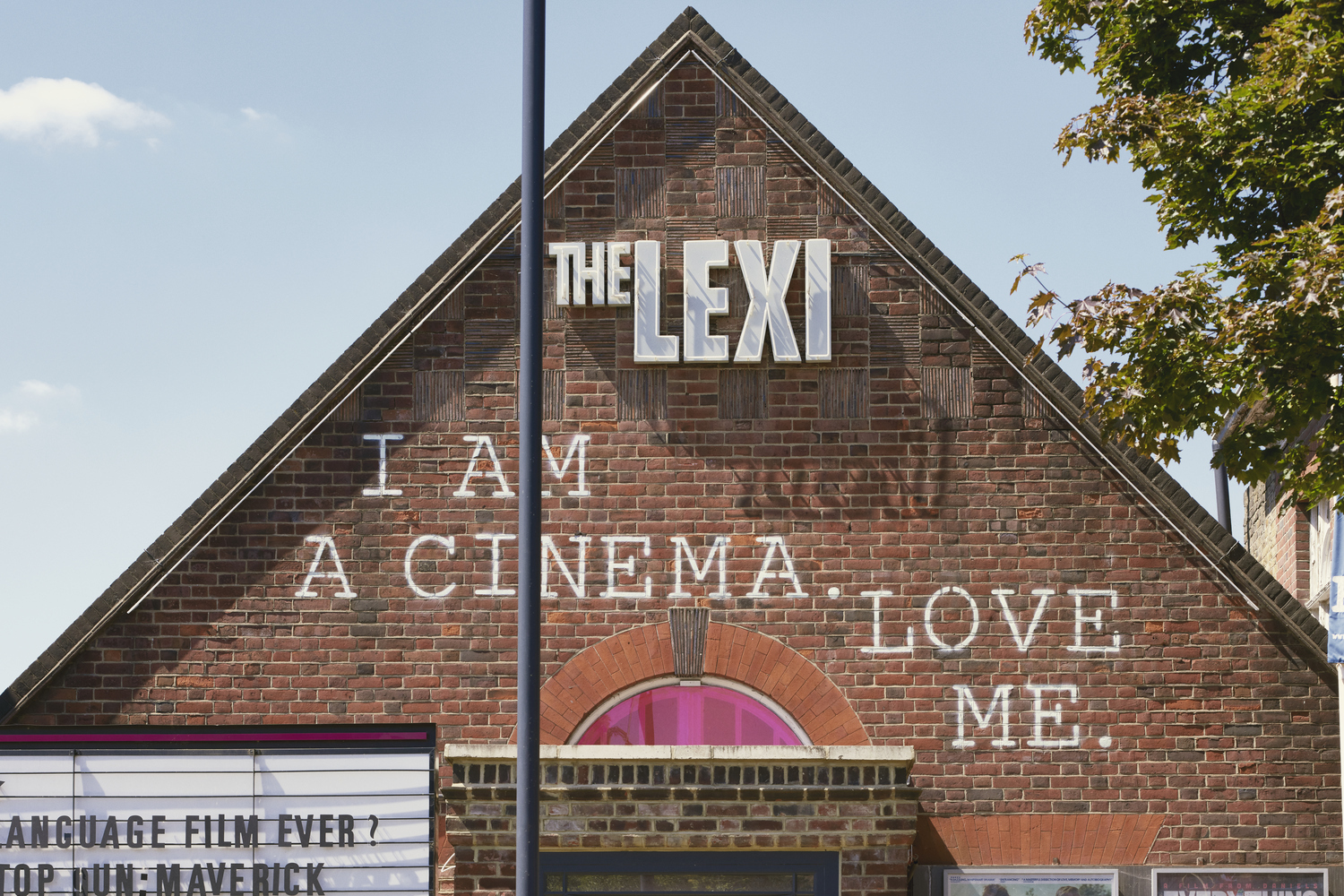
Cinema architecture continually reinvents theater experiences through multi-sensory engagement and new material technologies that reinterpret earlier aesthetics. Movie theaters recover, revitalize, and renew obsolete, ruined, or historically protected spaces by giving them new cultural functions. Architecture shapes cinematic settings through urban form, interior atmospheres, and constructed worlds, while cinema also constructs space through light, shadow, scale, and movement. Both cinema and architecture mediate lived space and comprehensive images of life, preserving cultural ways of living. Adaptive reuse extends beyond other building types into cinema, reinterpreting functions, styles, and designs to serve diverse audiences. Twentieth-century design in contemporary cinema reveals material cultures and spatial legacies across changing contexts.
"Over the years, cinema architecture has continually reinvented itself. From cinematic experiences that engage multiple senses to material technologies that reinterpret the aesthetics of past eras, the concept of the movie theater has enabled the recovery, revitalization, and renewal of numerous obsolete, ruined, or even historically protected spaces. Just as the Majestic Cinema reflects an important community function in Zanzibar, Tanzania, many twentieth-century buildings have found in adaptive reuse an opportunity to restore and preserve cultures, memories, and traditions that remain meaningful to their communities."
"Architecture provides the cinema setting, from urban environments to the creation of interior atmospheres and dystopian worlds. Yet cinema itself can construct spaces through light, shadow, scale, and movement, extending beyond architecture and, in some cases, defying the limitations of gravity or functionality. While the relationship between cinema and architecture forms a complex dialogue, Juhani Pallasmaa, in The Existential Image: Lived Space in Cinema and Architecture, argues that both art forms articulate lived space experientially and mediate comprehensive images of life."
"Just as buildings and cities project and preserve images of culture and ways of living, cinema illuminates the cultural archaeology of both the era in which it was produced and the period it portrays. Beyond film production itself and its direct relationship with architecture, many buildings that now screen the latest releases are reinterpreting their functions, styles, and designs to accommodate diverse audiences. The rise of adaptive reuse is not limited to industrial facilities, restaurants, or religious buildings; it also extends to the cinema industry, seeking to create living spaces of culture and memory in constant evolution."
Read at ArchDaily
Unable to calculate read time
Collection
[
|
...
]