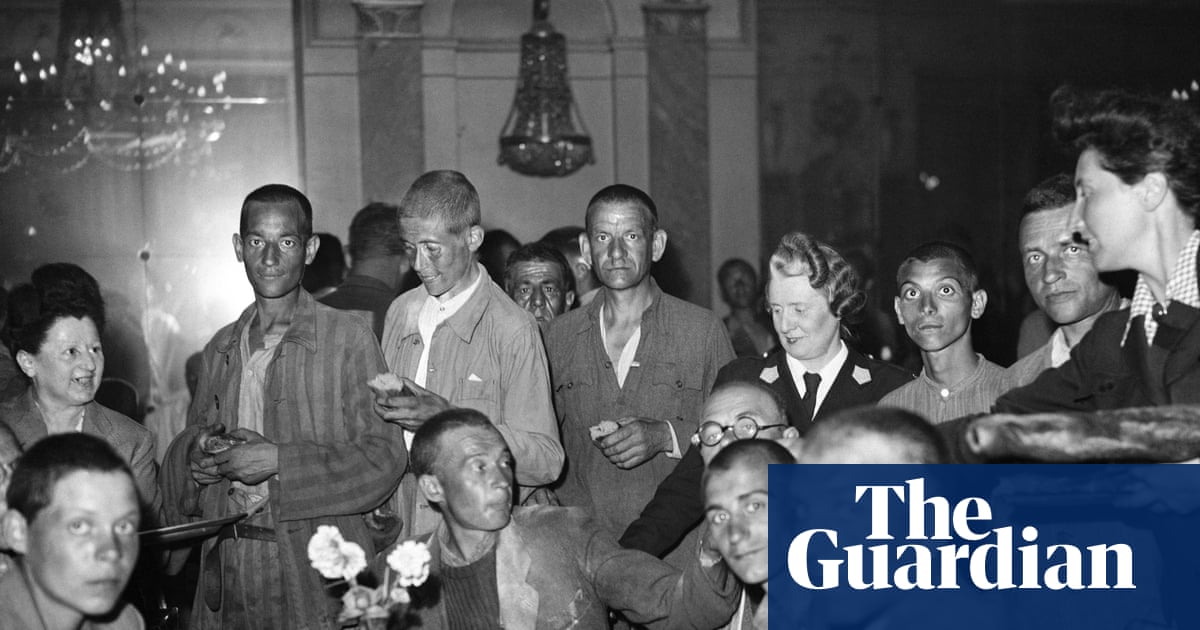
"Hotel Lutetia attracted an artistic and bohemian crowd, including Hemingway and Picasso, and became a headquarters for German political dissidents fleeing Hitler by the mid-1930s."
"The Lutetia Crowd, comprised of intellectuals from the Weimar Republic, engaged in covert activities against the Nazi regime, including sending diatribes disguised as tomato-seed packets into Germany."
"Under Hitler's Nacht und Nebel initiative, many former Lutetia residents were reclassified as stateless aliens, leaving them defenseless and at risk of arrest and deportation."
Hotel Lutetia, opened in 1910, became a gathering place for artists like Hemingway and Picasso. By the mid-1930s, it transformed into a refuge for German dissidents fleeing Hitler. This group, known as the Lutetia Crowd, included prominent intellectuals who sought to undermine the Nazi regime. They engaged in covert activities, such as distributing anti-Nazi literature. However, the situation worsened with the Nazi occupation in 1940, leading many to be classified as stateless and vulnerable to arrest and deportation, particularly Jewish individuals.
Read at www.theguardian.com
Unable to calculate read time
Collection
[
|
...
]