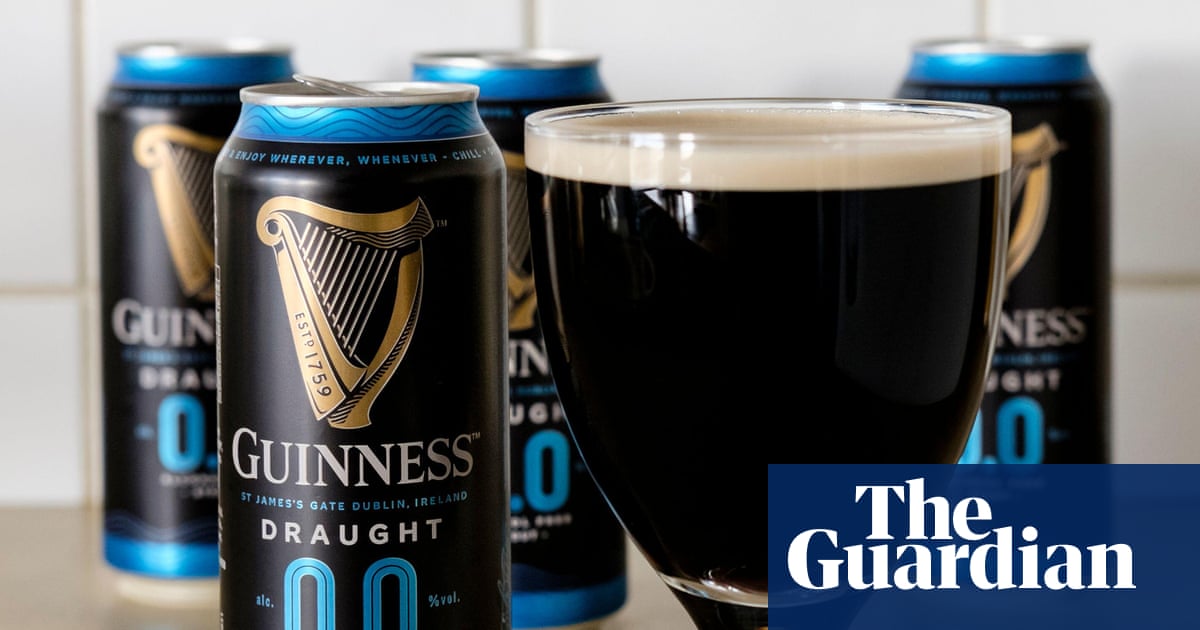
After festive excesses many people reduce alcohol consumption and seek alternatives. Water is the simplest detox method but often unsatisfying. Herbal infusions, turmeric/kale/spirulina shots, smoothies, kombuchas and kefirs offer variety but sometimes lack the feel of a real drink. Non-alcoholic beer provides a beer-like option that can deliver relaxation and social enjoyment without alcohol. Early non-alcoholic beers like Barbican (launched in 1979) were poor in flavour. Most nolo beers are brewed to full strength then dealcoholised via vacuum distillation or reverse osmosis, which can remove flavour and texture. Recent investment in R&D has improved technology and quality, though methods remain expensive, favoring large producers until recently.
"We can zap our inner organs with herbal infusions, turmeric/kale/spirulina shots and smoothies, or with the fermented goodness of kombuchas and kefirs, but sometimes the mindful drinking halo of virtue can become too heavy to bear and we want something that feels like a real drink. You know, the one at the end of the day when you deserve something cheering, or when you meet your mates in some scuzzy pub or swanky wine bar,"
"This dealcoholisation can be brutal, though, because it also strips out alcohol-soluble flavour and aroma compounds, as well as ethanol's mouth-filling texture. But now, with the popularity of nolo drinks skyrocketing, investment in R&D has led to leaps in both technology and quality. Even so, these new methods are very expensive, which is why most nolo beers have until recently remained in the hands of the big producers."
Read at www.theguardian.com
Unable to calculate read time
Collection
[
|
...
]