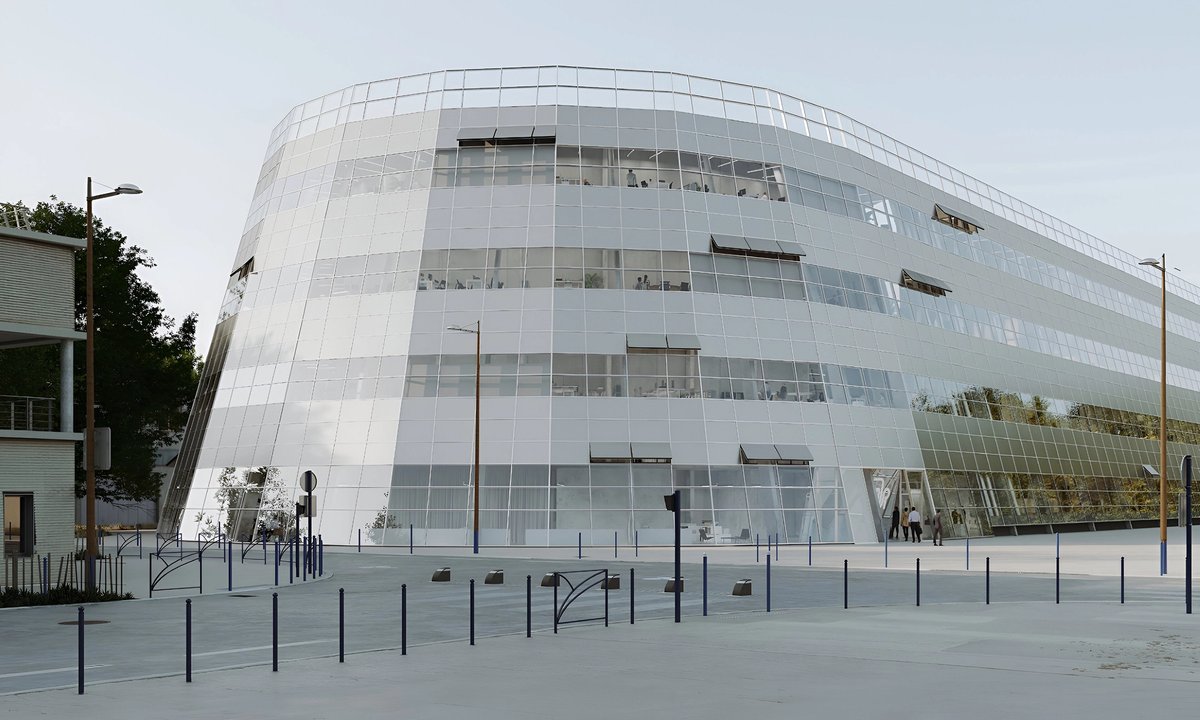
"Few members of the public in France, let alone people outside the country, were aware, until quite recently, of the Centre national des arts plastiques (CNAP). Created in 1982, this government agency designed to support living artists in the country and collect their work is, by definition, as fundamental as it is discreet. In the past six months, however, two government reports have pushed the CNAP into the limelight."
"As the sociologist Laurent Jeanpierre puts it, "there is a prevailing notion, held in particular by the current Macron administration, and further on the right and far-right, that public expenditure is too high and the state must be slimmed down". Contemporary art, as is so often the case, is the lens that brings this conflict into focus."
The Centre national des arts plastiques (CNAP) was created in 1982 to support living French artists and to collect their work. Two recent government reports have drawn intense attention to the CNAP amid growing private investment, international galleries, and institutional influence. The reports reach opposing conclusions about the CNAP's role and future, highlighting a broader ideological contest over cultural policy and public spending. Critics argue for slimming state expenditure on culture, while others call for targeted acquisition policies. A July white paper urged higher quotas for France-based artists and galleries; an audit office published a scathing report in November.
Read at The Art Newspaper - International art news and events
Unable to calculate read time
Collection
[
|
...
]