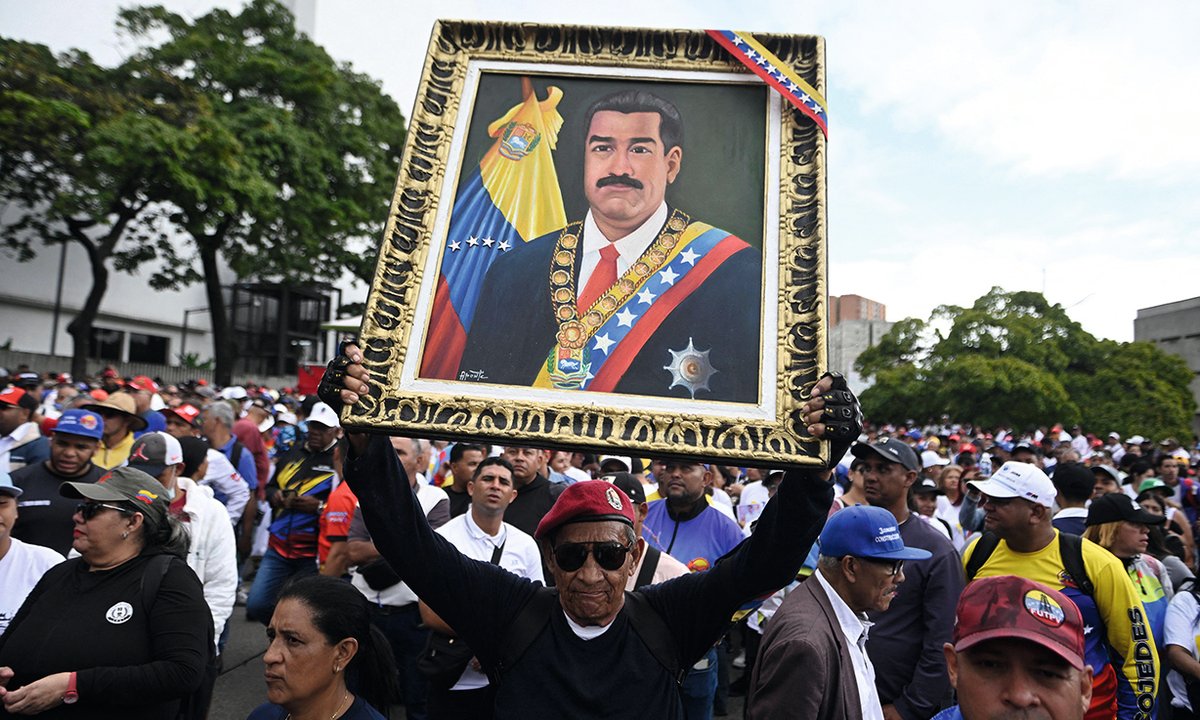
"Since the US military, under the direction of President Donald Trump, captured and extradited the Venezuelan president Nicolás Maduro and his wife Cilia Flores on 3 January, international attention has focused on political turmoil in the country and American designs on its vast oil resources. Venezuela also has natural, architectural and archaeological riches-including three Unesco World Heritage Sites-but with the country currently locked in geopolitical limbo, their future is uncertain."
"The city of Coro and its port, located in the state of Falcón in the country's north-west, dates from 1527 and was the first community in South America to achieve independence from Spain. According to Unesco, the site is unique on the Caribbean coast, and has outstanding universal value, as its buildings are constructed with earthen architecture and traditional mud building techniques including bahareque (a system using mud, timber and bamboo), adobe and tapia (rammed-earth) that are still in use today."
"Coro's historical value, according to Unesco's listing, derives from its hybrid of colonial-era Spanish and Mudéjar architectural styles with Indigenous bulding traditions. From the middle of the 17th century, the city's built character was further influenced by Dutch architectural practices on the neighbouring islands of Curaçao and Aruba. The city's unique cultural mélange also includes a historic Jewish cemetery. But"
On 3 January Venezuelan president Nicolás Maduro and his wife Cilia Flores were captured and extradited, intensifying focus on political turmoil and US interest in the country's oil. Venezuela contains natural, architectural and archaeological riches, including three Unesco World Heritage Sites whose futures are uncertain amid geopolitical limbo. The city of Coro and its port date from 1527 and feature earthen architecture and traditional mud building techniques such as bahareque, adobe and tapia. Coro combines colonial-era Spanish, Mudéjar and Indigenous building traditions, later influenced by Dutch practices, and includes a historic Jewish cemetery. Coro was inscribed in 1993 and placed on the List of World Heritage in Danger in 2005 because of environmental risks, material fragility, heavy-rain damage in 2004–2005, and inappropriate development driven by lack of planning oversight and preservation controls.
Read at The Art Newspaper - International art news and events
Unable to calculate read time
Collection
[
|
...
]