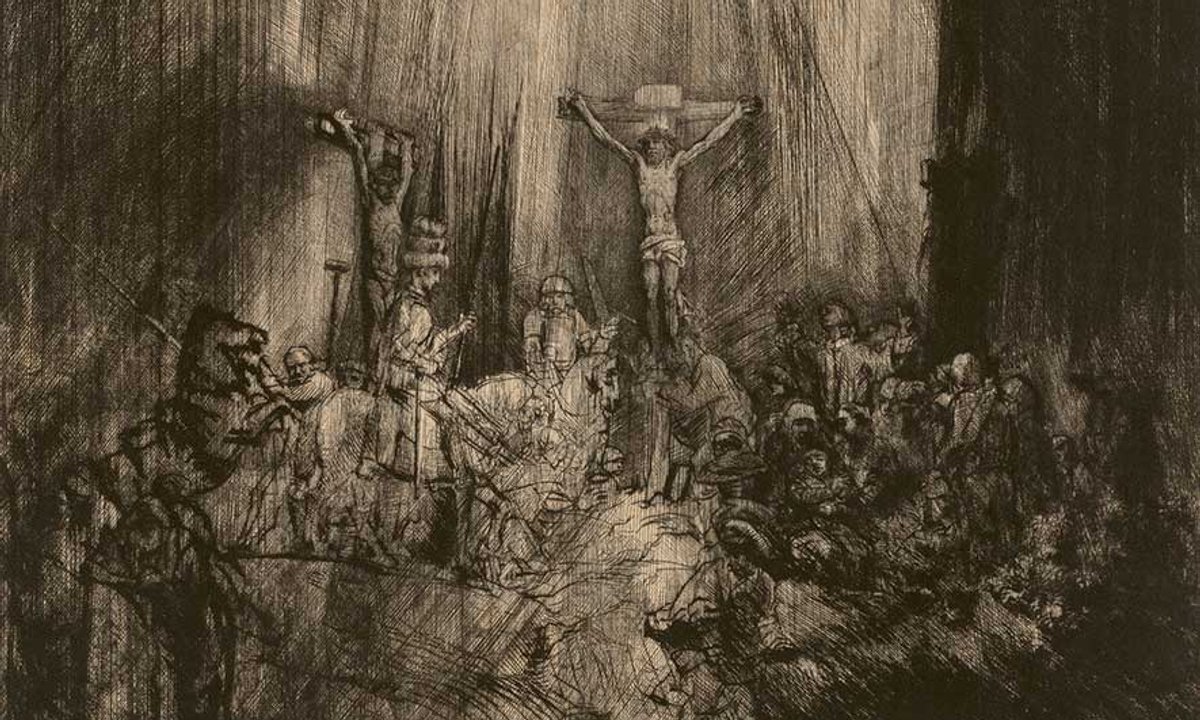
"Yale came to me and said there isn't an overarching book about the history of printmaking; they wanted it to be about the printed image. There are a lot of books about printing-about the history of journalism or the history of books, the printing press and the printed word-but not so much about the printed image and its processes. So that was my challenge."
"It was with trepidation then that I embarked on setting out the definitions and parameters that would shape this book, adding that I determined the following: a print is created through the action of impressing one surface onto another, to transfer a design by way of ink or another viscous substance."
"I've made prints and learned new techniques as part of my research-one of the most important things for the book was actually describing how prints are made in a way that people could understand and that they could get excited by."
"The term 'print' can describe a baffling number of techniques, stresses Black, from monotypes to mezzotint, an intaglio process (from intagliare in Italian-to engrave-the general term given."
Holly Black's publication, The Story of Printmaking: A Global History of Art, outlines the history of printmaking from its origins in ninth-century East Asia to modern digital developments. Black emphasizes the importance of the printed image, distinguishing it from other printing-related histories. She defines printmaking as the process of transferring designs through ink or similar substances, allowing for multiple reproductions. Her background in art and practical experience in printmaking contribute to a clearer understanding of this often-misunderstood art form, showcasing various techniques like monotypes and mezzotint.
Read at The Art Newspaper - International art news and events
Unable to calculate read time
Collection
[
|
...
]