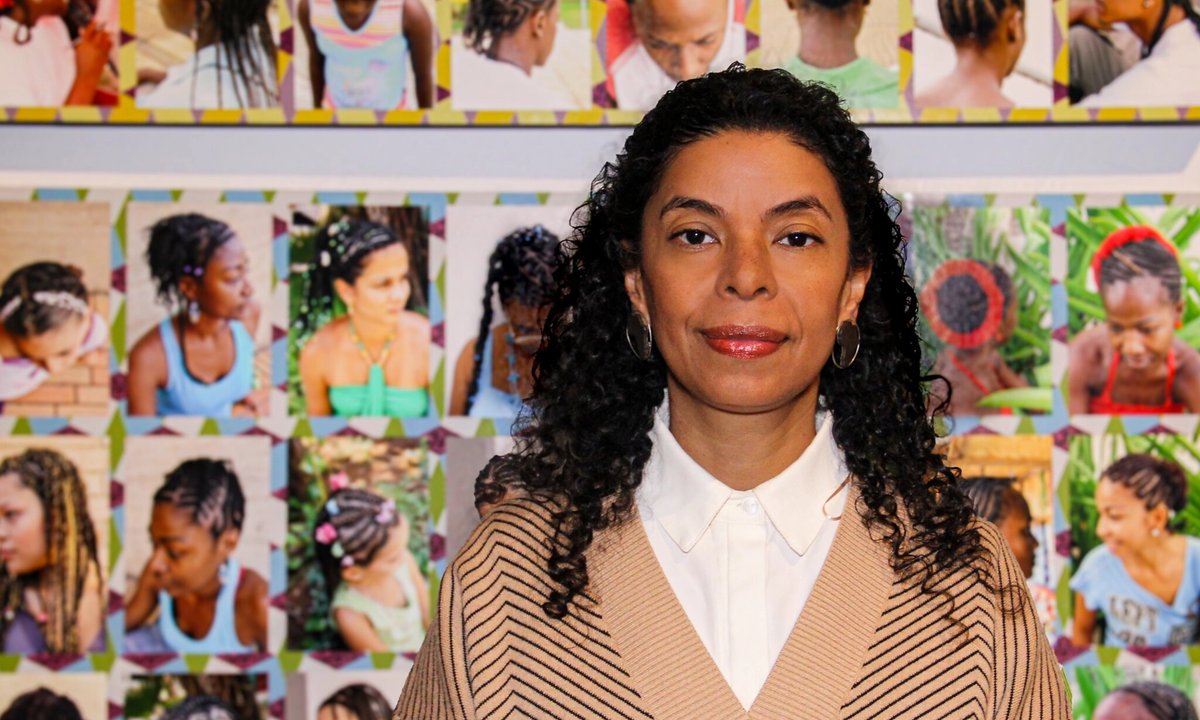
"Although the museum had already begun revising its curatorial priorities in 2011 to incorporate more diverse perspectives, Angulo's appointment in March 2024 marked a decisive acceleration of that shift. She sought to reposition the institution as a space for confronting colonial memory and the historical marginalisation of Afro-Colombian and Indigenous communities."
"An artist and researcher born in Bogotá in 1974, Angulo studied at the Universidad Nacional de Colombia and earned a Master of Arts degree from the University of Illinois Chicago as a Fulbright scholar. Her practice focused on the body, race and the representation of enslaved people and Afro-Colombian communities, drawing on archival documents and museum collections."
"Under her leadership, the museum expanded initiatives such as the Laboratorio para la Reparación y el Antirracismo, which examines how national collections shape ideas of identity and belonging."
Liliana Angulo Cortés, an artist and researcher, became the first Afro-Colombian director of the Museo Nacional de Colombia in March 2024, accelerating institutional efforts to reinterpret the collection through a decolonial lens. Founded in 1823 by Simón Bolívar, the museum houses pre-Hispanic artifacts to contemporary art spanning over two centuries. Angulo's tenure prioritized historical reparation and confronting colonial memory, repositioning the institution to address the historical marginalization of Afro-Colombian and Indigenous communities. Her practice examined race, the body, and enslaved peoples through archival research and museum collections. She expanded initiatives like the Laboratorio para la Reparación y el Antirracismo, which investigates how national collections shape identity and belonging. Her leadership marked a decisive shift in the museum's curatorial priorities and narrative approach to Colombia's cultural history.
#decolonization #museum-leadership #afro-colombian-history #historical-reparation #cultural-institutions
Read at The Art Newspaper - International art news and events
Unable to calculate read time
Collection
[
|
...
]