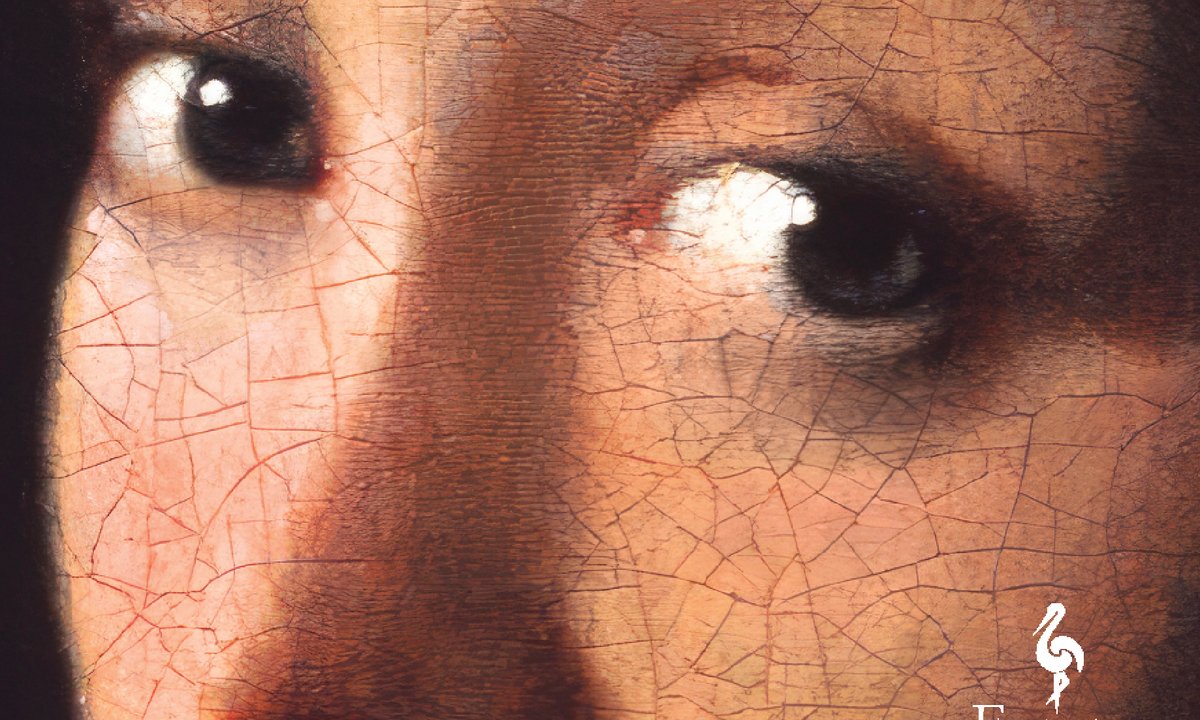
Reading proves compulsive despite a sparse plot and repetitive chapter pattern. A ten-year-old girl named Mona suffers temporary blindness and receives weekly museum instruction from her octogenarian grandfather, Henry Vuillemin, a one-eyed former photojournalist and art historian manque9. Henry intends to lodge the beauty and significance of art in Mona's memory in case her sight is lost permanently. He escorts her each Wednesday to the Louvre, Muse9e d'Orsay and Centre Pompidou, showing one carefully chosen work per visit. Mona's parents believe the outings are psychiatric appointments. Lessons begin with Botticelli and move through to contemporary painting.
"There is something quite addictive about Thomas Schlesser's Mona's Eyes ( Les yeux de Mona in French). Once you start reading it, you cannot stop, even though nothing much happens over the course of its 300 pages, and the 52 chapters all follow the same pattern. Written in the vein of Jostein Gaarder's Sophie's World (1991), a fictional survey of Western philosophy as seen through the eyes of a 14-year-old girl, Schlesser's novel, a bestseller in Europe, offers a similarly compact, often exhilarating cruise through the last few centuries of Western art."
"There is only the barest of plots. After the ten-year-old Mona suffers a temporary bout of blindness, her octogenarian grandfather, or "Dadé", a former photojournalist called Henry Vuillemin, springs into action. Blind in one eye himself, due to an injury suffered in Lebanon, Henry is also an art historian manqué. Concerned that Mona might lose her sight permanently, he plans to "lodge in her memory all that art offered in terms of beauty and significance". And so, every Wednesday afternoon, for a year, he takes Mona to view a carefully selected work of art in the Musée du Louvre, the Musée d'Orsay and the Centre Pompidou. (There is always only one work, a rule against which Mona, more compliant than the ten-year-olds I have known, never rebels)."
Read at The Art Newspaper - International art news and events
Unable to calculate read time
Collection
[
|
...
]