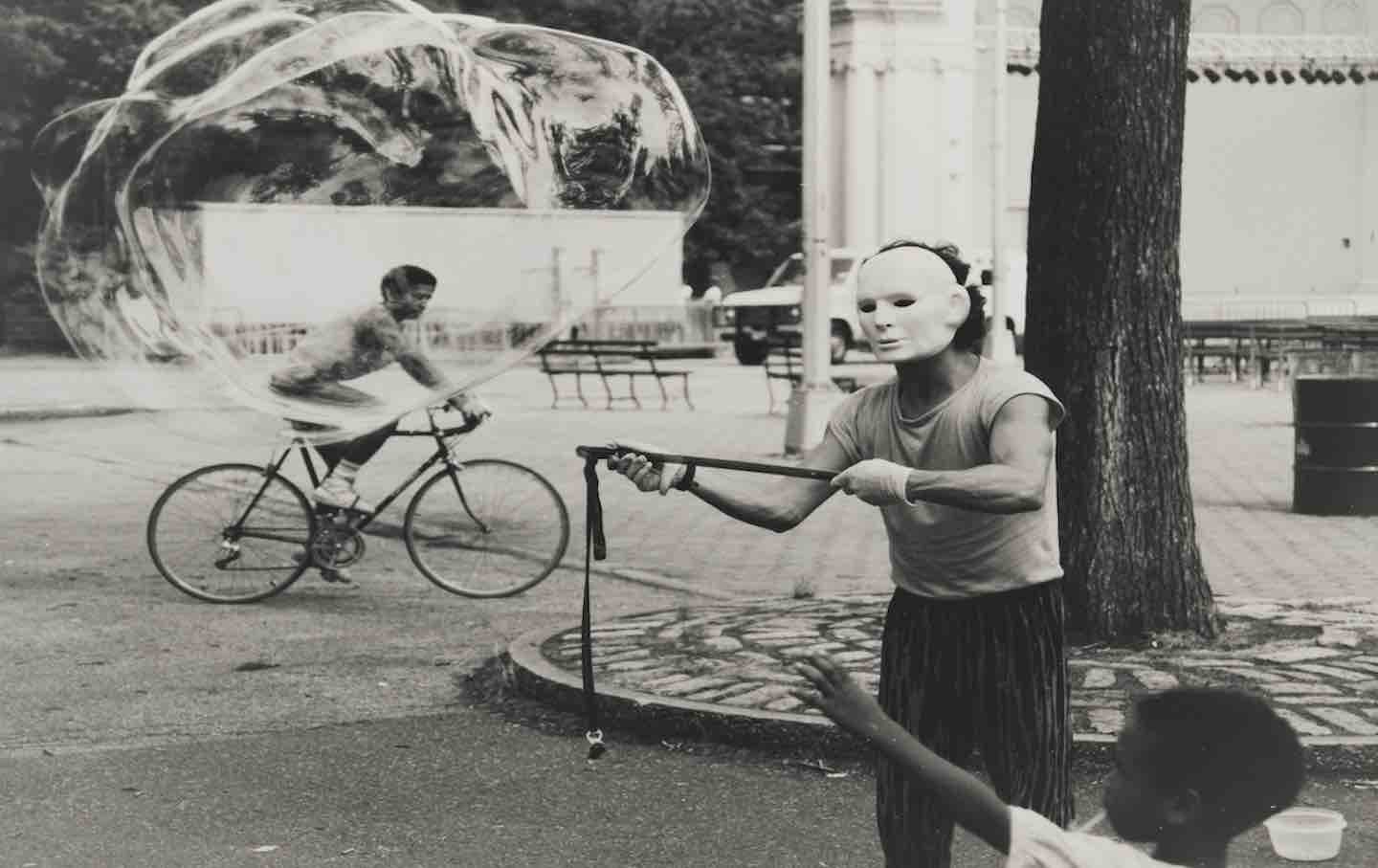
A commonly taught chronology frames 1960s American art as shifting from Abstract Expressionism to Neo-Dada and then rapidly to Pop Art, Minimalism, and Conceptual Art, stressing progressively reductive redefinitions of the art object. Fluxus and figures like Duchamp and John Cage appear as tangential but influential precursors. That tidy genealogy omits much art produced in the decade and narrows attention to a self-selecting canon. An alternative account centers surrealism’s continuing influence, arguing that the mainstream story simplifies history, deprives viewers of varied aesthetic pleasures, and discourages openness to diverse practices and objects deserving serious attention.
"There's a standard story about the development of American art in the 1960s that retains an almost biblical authority in some circles. It begins at the end of the 1950s, when Abstract Expressionism's power began to fade, which led to the ascendance of the so-called Neo-Dada of Jasper Johns and Robert Rauschenberg as the most vital force at the start of the '60s. And then, in quick order, Pop Art emerged around 1962."
"It's a nice tidy story, easy to remember. The only problem is, it leaves out almost all the art actually made in the United States (or anywhere else) in the 1960s. Of course, from a certain point of view, that's a benefit, not a problem-it makes things so much simpler. It's a labor-saving device: There are so many things you don't have to look at or think about because you've ruled them out before even wasting a first thought or look at them."
Read at The Nation
Unable to calculate read time
Collection
[
|
...
]