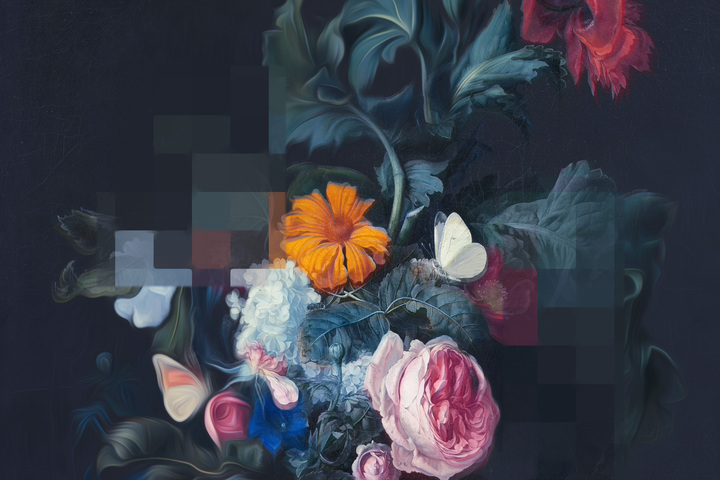
"Indeed, in 1496, a 21-year-old Michelangelo faked a piece of a Roman sculpture, passing it to the Roman antiquarian Cardinal Raffaele Riario to make a quick buck. To pull off the con,the young Florentine artist rubbed acidic loam - dirt, basically - onto his own sculpture fragment in order to pass it off as one of the ancients. Had he been born a few hundred years later, he might have used ChatGPT."
"In the art world, provenance is the record of ownership of a specific piece, allowing collectors and art brokers to trace a work's lineage. "Chatbots and large language models [LLMs], are helping fraudsters convincingly forge sales invoices, valuations, provenance documents and certificates of authenticity," Olivia Eccleston, a fine art broker at insurance firmMarsh McClennan, told the FT. According to Eccleston, AI has "added a new dimension to an age-old problem of fakes and fraud in the art market.""
Generative AI and chatbots are increasingly used to fabricate provenance records, sales invoices, valuations and certificates of authenticity for artworks. Fraudsters and unwitting collectors have produced convincing but false documentation that undermines provenance research and misleads buyers, brokers, and insurers. Metadata and technical checks have exposed some coordinated frauds, revealing entire collections to be fake. AI hallucinations in database searches have also created false leads that users accepted as factual. Insurance adjusters and fine art underwriters face greater difficulty assessing authenticity and establishing reliable provenance because AI-produced documents can appear authoritative and plausible.
Read at Futurism
Unable to calculate read time
Collection
[
|
...
]