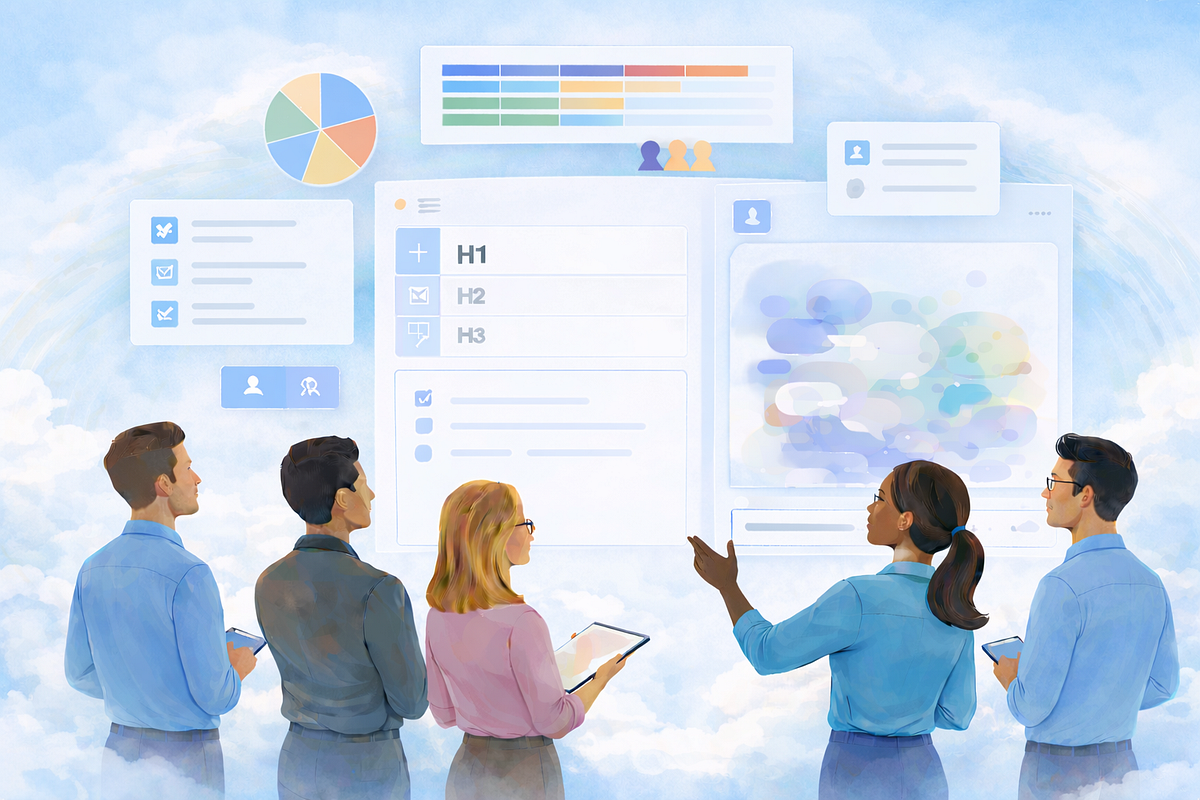
"Algorithms can now transcribe meetings in real time, translate across languages instantly, summarise dense reports in seconds, and generate content tailored to different reading levels. For many users, these are not just productivity gains. They are meaningful improvements in access, sometimes the difference between participating fully and struggling quietly on the margins. Voice interfaces reduce reliance on complex forms. Automated captions support participation in live conversations. Generative tools can rephrase technical or academic language into something clearer and more digestible."
"In practical, everyday ways, these technologies have lowered barriers that traditional digital systems struggled to address for years. It's reasonable to see that and feel optimistic. However, capability is not the same as inclusion. Progress, with important gaps As algorithms become embedded in hiring processes, healthcare systems, financial services, education platforms, and the tools we use at work each day, they begin to do more than..."
Algorithms can transcribe meetings in real time, translate across languages, summarise dense reports quickly, and generate content for different reading levels. These capabilities provide meaningful access improvements for many users, turning potential exclusion into full participation. Voice interfaces, automated captions, and generative rephrasing reduce reliance on complex forms and make technical language clearer and more digestible. In practical everyday ways, these technologies have lowered longstanding digital barriers. Optimism about capability is reasonable, but capability alone does not ensure inclusion. As algorithms become embedded across hiring, healthcare, finance, education, and workplace tools, important gaps remain.
Read at Medium
Unable to calculate read time
Collection
[
|
...
]