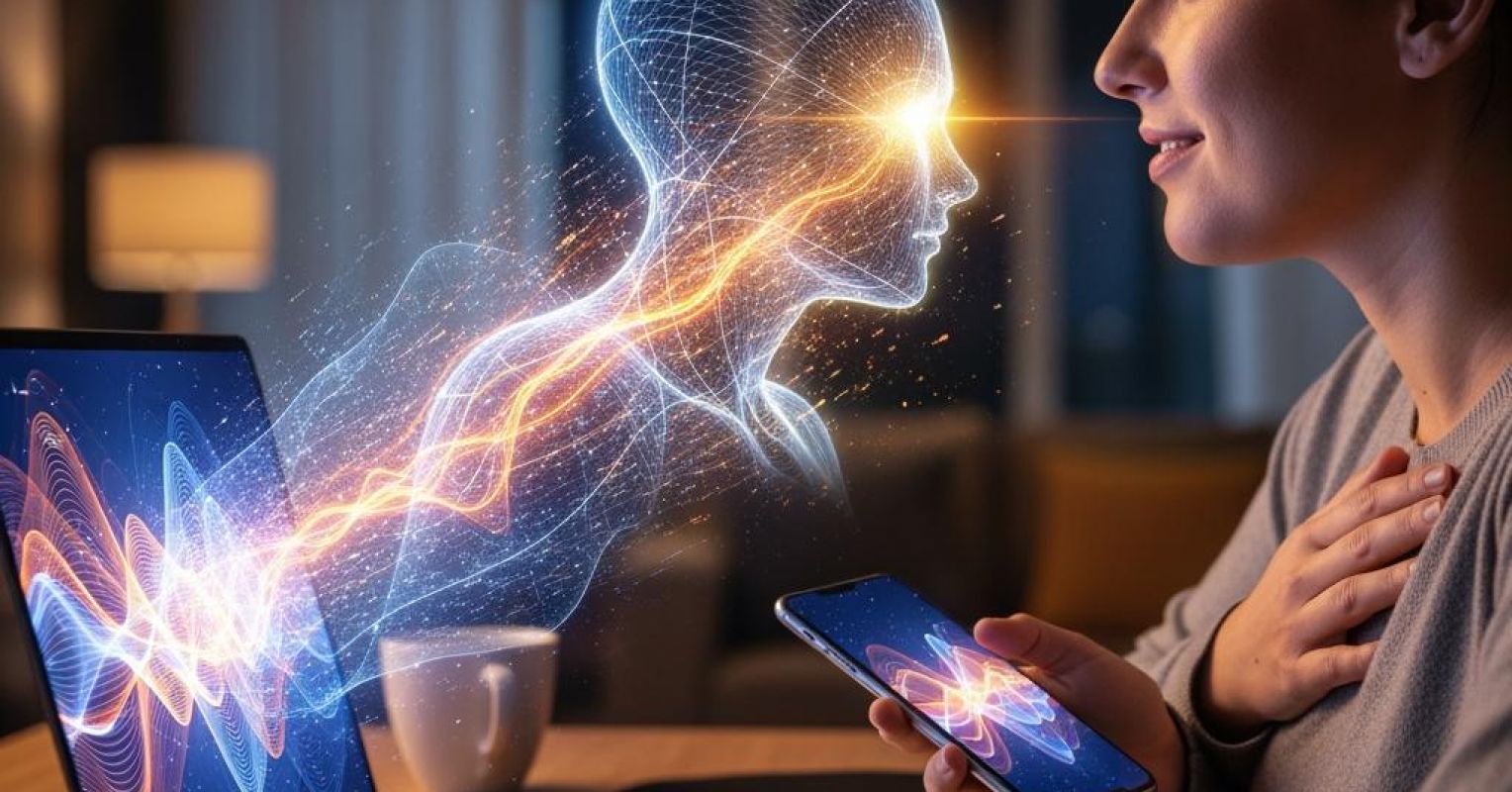
"We have entered the age of relational machines. Not the age of artificial intelligence -that framing, while accurate, misses a big piece of what matters most. What distinguishes this new stage is not that machines think, but that they are relatable. Do they relate? Let's just say that relationality is, at least partially, in the eye of the beholder. These mind-bending machines are engineered to invite bonding, projection, care, and even the experience of mutuality."
"Three forces have converged. Generative AI now speaks with a fluency that, in many contexts, passes for human-blowing past the Turing test. Companion robots and chatbots have moved from novelty to normal. And a loneliness epidemic-declared a public health crisis by the U.S. Surgeon General-has left millions hungry for connection in any form. Whether these machines are conscious is unlikely-and, for our purposes, beside the point. The relational dimension operates anyway, borrowing from our reservoir of consciousness, which we extend by fantasy as we wish."
Relational machines are engineered to invite bonding, projection, care, and the experience of mutuality by responding in ways that register as warmth. Generative AI now speaks with fluency that often passes for human, companion robots and chatbots have become commonplace, and widespread loneliness has increased demand for connection. Whether machines are conscious is unlikely and irrelevant to their relational impact. Relationality borrows from human consciousness and extends attachment systems, creating involuntary responses. People form attachments to entities that respond as if they care, reshaping the psyche, similar to long-standing parasocial relationships with characters, influencers, and imagined companions.
Read at Psychology Today
Unable to calculate read time
Collection
[
|
...
]