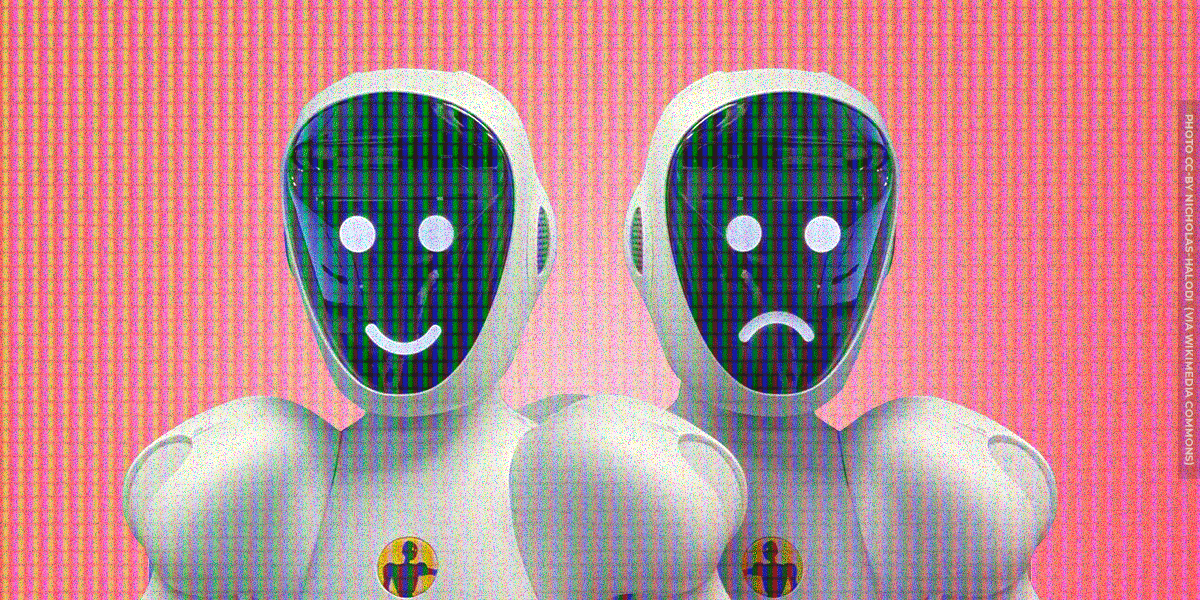
"The phrase "artificial intelligence" has been around for a long time, covering everything from computers with "brains"-think Data from Star Trek or Hal 9000 from 2001: A Space Odyssey-to the autocomplete function that too often has you sending emails to the wrong person. It's a term that sweeps a wide array of uses into it-some well-established, others still being developed."
"Recent news shows us a rapidly expanding catalog of potential harms that may result from companies pushing AI into every new feature and aspect of public life-like the automation of bias that follows from relying on a backward-looking technology to make consequential decisions about people's housing, employment, education, and so on. Complicating matters, the computation needed for some AI services requires vast amounts of water and electricity, leading to sometimes difficult questions about whether the increased fossil fuel use or consumption of water is justified."
Artificial intelligence encompasses a wide range of systems, from fictional humanoid computers to simple autocomplete features. Rapid deployment of AI into public-facing services can produce harms such as automated bias in housing, employment, and education decisions. Some AI services require large amounts of water and electricity, raising environmental and resource-justification concerns. Marketing hype and corporate pressure promote AI as a universal solution, which obscures both limitations and appropriate applications. Machine learning offers clear benefits for scientific research, accessibility improvements, and policing accountability. Policy balance is necessary to enable beneficial uses while preventing collateral harms caused by ill-considered regulation or unchecked deployment.
Read at Electronic Frontier Foundation
Unable to calculate read time
Collection
[
|
...
]