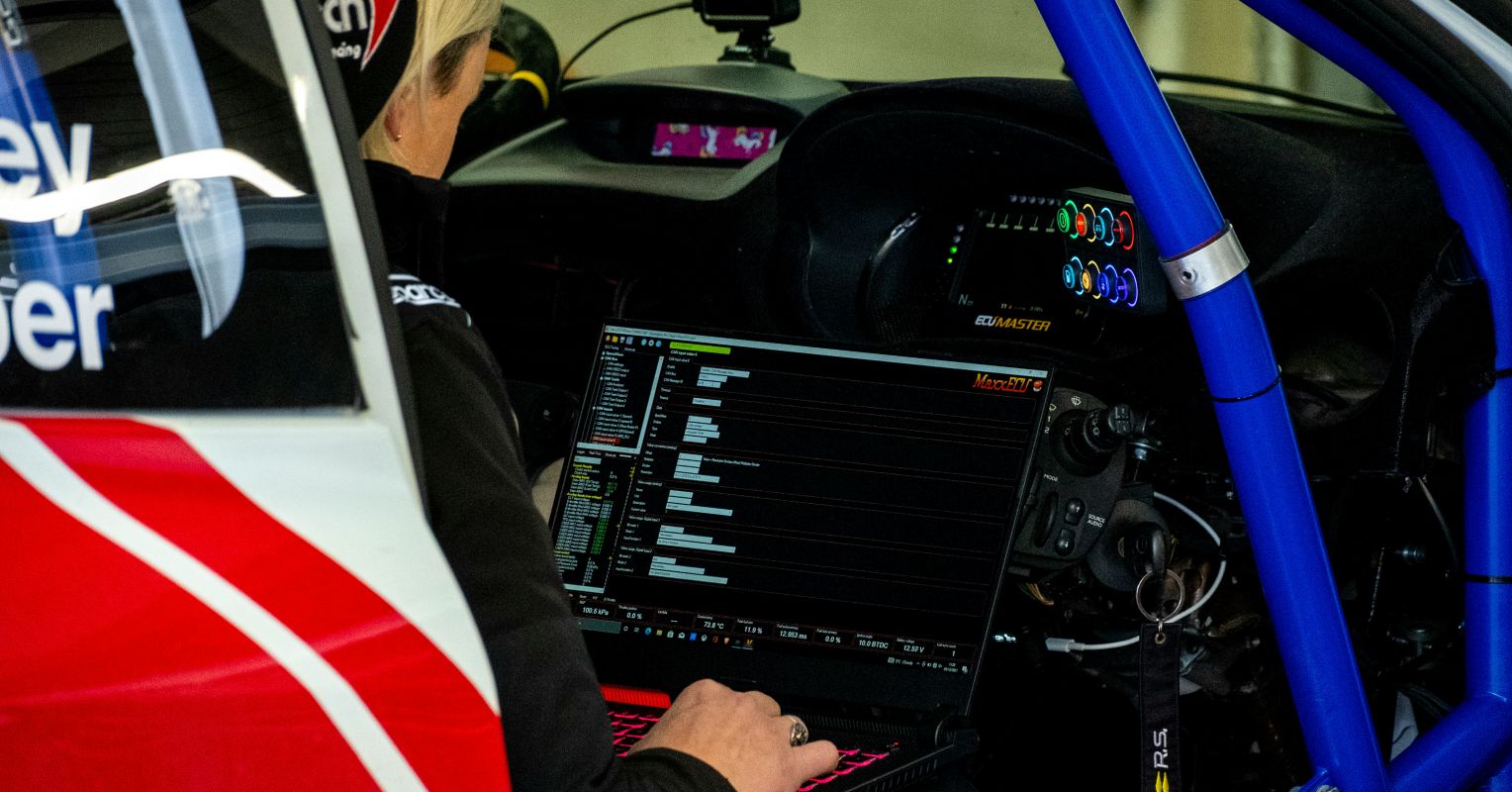
"A dyad has three parts, not two: Partner A, Partner B, and the relationship or agreements between them. A dyad of two experts who cannot communicate clearly will often lose to a dyad of less-skilled individuals who coordinate effectively."
"Most discussions about using AI leave the relationship out. AI is framed as a tool that humans use, or as a system that runs independently and presents results to us. But, as AI systems move from limited tools toward something closer to co-pilots, the relationship changes into a human-AI team: a partnership where each member contributes different strengths."
"A critical mistake in human-AI teaming is assuming the partnership will function automatically in high-stakes moments just like it does in low-stakes ones. This is, of course, a mistake in all-human teams as well, but it is amplified when different parts of the team respond very differently from each other in high-stakes moments."
Human-AI collaboration functions as a dyad—a three-part system comprising two partners and their relationship. Unlike traditional tool-based AI framing, modern AI systems operate as co-pilots in partnerships where each member contributes distinct strengths. High-performing human-AI teams actively manage all dyad components rather than treating AI as passive technology. Critical success factors include training together before high-stakes moments, as partnerships cannot be built during crises. Stress fundamentally alters human cognition, requiring AI systems to dynamically adapt information presentation. Effective coordination between partners matters more than individual skill levels; teams with strong communication protocols outperform those with superior individual capabilities but poor coordination.
#human-ai-collaboration #team-dynamics #high-stakes-decision-making #stress-management #partnership-training
Read at Psychology Today
Unable to calculate read time
Collection
[
|
...
]