AI is presented as a productivity-enhancing tool that makes work easier rather than a job replacement force. The view is that increased productivity will expand the economy, reduce prices, and allow people to feel comfortable leaving jobs. The argument depends on allowing the technology to develop without early regulatory limits. Concerns about AI eliminating roles are framed as fear driven by predictions from others. Examples given include radiology and software engineering, where AI is said to outperform humans in specific tasks. The long-term impact remains uncertain due to unreliability and cost.
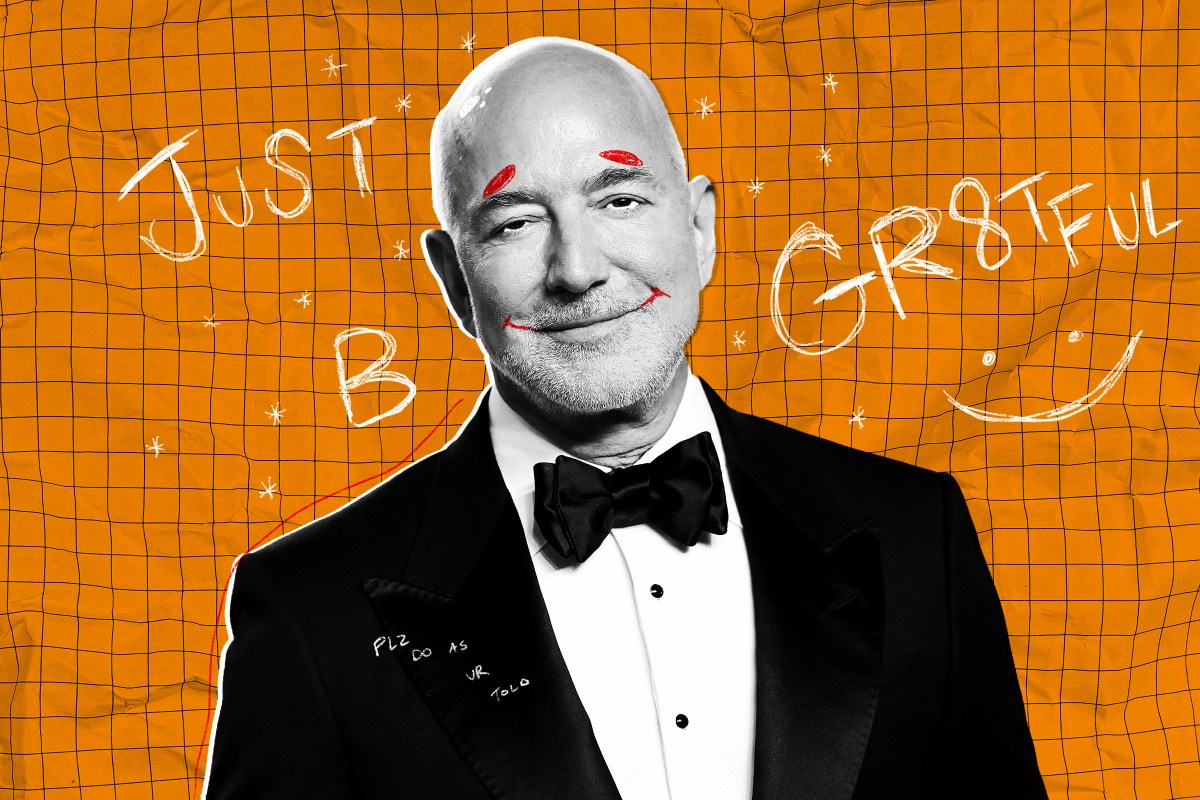
"“If you've been digging out a basement for your house with a shovel and somebody's about to hand you a bulldozer, you should be so happy!” Bezos said in an interview with journalist Andrew Ross Sorkin on CNBC's “Squawk Box,” appearing more disheveled than usual."
"“What's really going to happen is that we're going to have so much productivity in our economy,” he added, arguing that prices will go down and people will feel comfortable to quit their jobs. Only there's a convenient catch: “Assuming we let this technology play out, and don't hamstring it with regulation too early,” Bezos said."
"“The reason they're afraid of that is because all these smart people keep saying that,” Bezos said. “And they're saying, 'oh my god, there's going to be no more radiologists because AI can read x-rays better than a radiologist can. And there's going to be no more software engineers because AI can program better than a software engineer can.'”"
"“These people are wrong!” Bezos declared. It's still up for debate whether AI will truly start automating vast swathes of the workforce in the long run. The tools are still unreliable and expensive to dep"
Read at Futurism
Unable to calculate read time
Collection
[
|
...
]