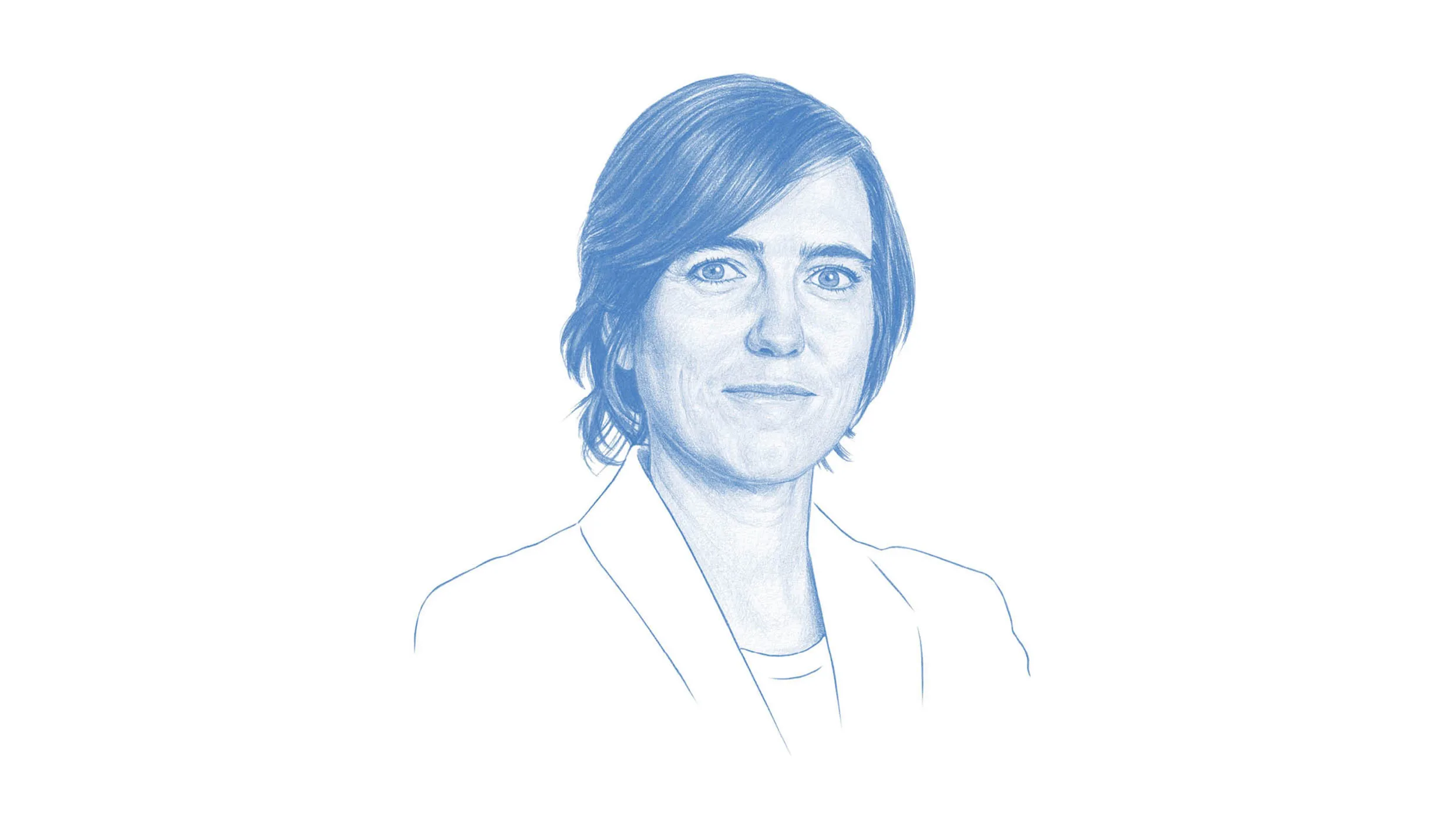
"Eight years ago, I made a jump to industry: I was chief scientist and head of R&D for Uber's self-driving program, which gave me a lot of visibility in terms of what building a world-class program and bringing the technology to market would look like. One of the things that became clear was that there was a tremendous opportunity for a disrupter in the industry, because everybody was going with an approach that was extremely complex and brittle,"
"Unlike some competitors, Waabi's AI technology is designed to drive goods all the way to their destinations, rather than merely to autonomous vehicle hubs near highways. Urtasun, one of Fast Company' s AI 20 honorees for 2025, spoke with us about the relationship between her academic and industry work, what sets Waabi apart from the competition, and the role augmented reality and simulation play in teaching computers to drive even in unusual road conditions."
Raquel Urtasun has 25 years in AI and transitioned from academia to industry to build robust self-driving systems. She spent eight years leading R&D at Uber's self-driving program and identified industry reliance on complex, hand-engineered systems as unscalable. She founded Waabi to pursue a different generation of AI designed to operate self-driving trucks that deliver goods end-to-end rather than stopping at highway hubs. Waabi emphasizes scalable, less brittle learning-based systems and uses simulation and augmented reality to train vehicles for unusual road conditions. Urtasun maintains an academic appointment while focusing on commercial deployment and large-scale robustness.
Read at Fast Company
Unable to calculate read time
Collection
[
|
...
]