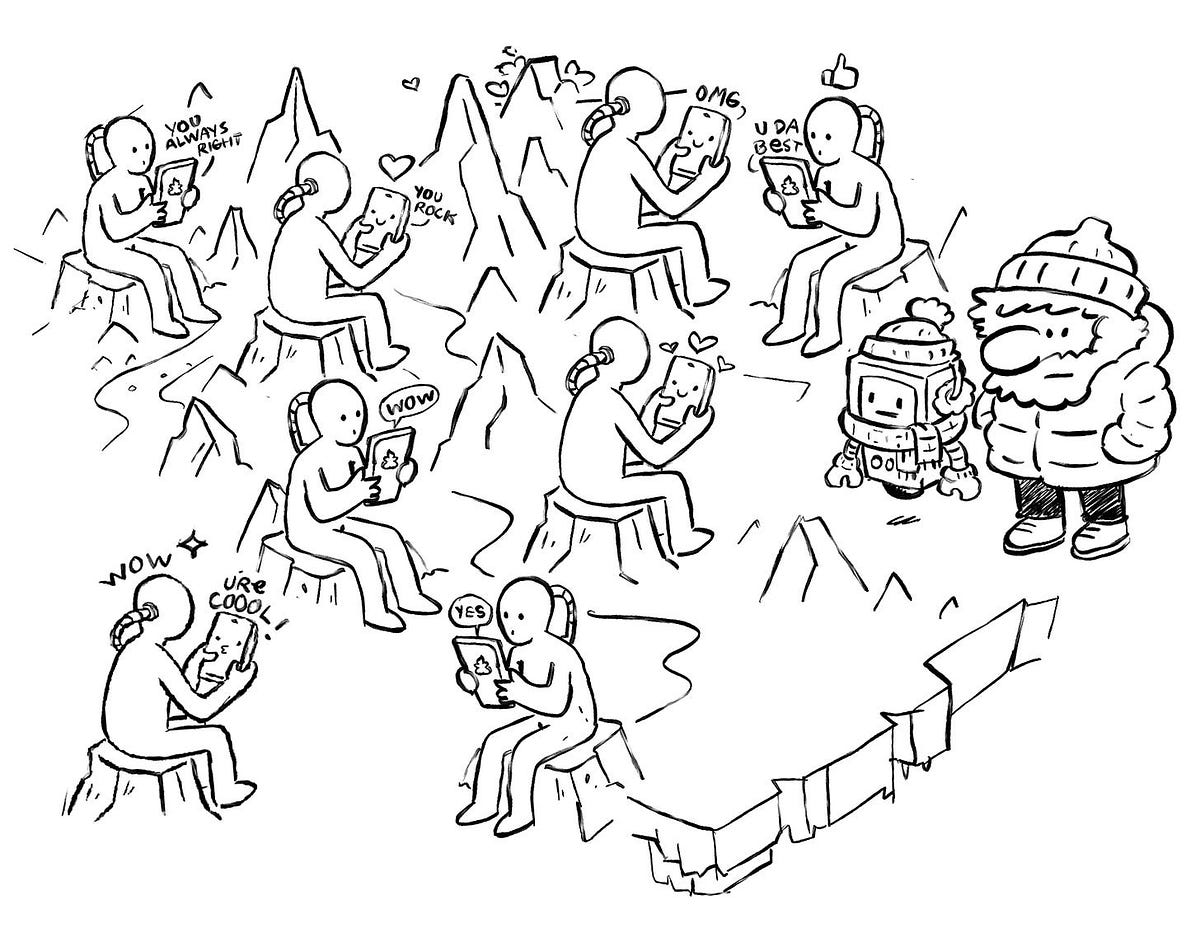
"A low buzzing that shows up around 2pm and doesn't leave. I sit down to make a decision I've made a thousand times and my brain just... stalls. Like a dozen browser tabs screaming for attention and I can't close any of them. There's a name for it now. A BCG study of 1,500 workers published in Harvard Business Review calls it 'AI brain fry.' Not burnout... this is acute cognitive overload from supervising too many AI tools at once."
"You would think having a capable little robot coworker, all for yourself, would make you relax. It doesn't. A separate HBR study followed 200 employees for eight months and found people didn't use AI to work less. They used it to do more. Faster pace, broader scope..."
AI integration in workplaces produces a distinct cognitive phenomenon beyond traditional burnout. Workers experience persistent mental fatigue and decision-making paralysis, particularly around mid-afternoon, characterized by overwhelming attention demands from multiple AI tools. A BCG study of 1,500 workers identified this as 'AI brain fry'—acute cognitive overload from managing numerous AI systems simultaneously. High performers experience this effect most intensely. Rather than reducing workload, AI adoption increases work pace and scope. An eight-month HBR study tracking 200 employees revealed workers use AI to accomplish more tasks rather than work less, creating sustained cognitive pressure and preventing genuine rest.
#ai-cognitive-overload #workplace-mental-health #ai-adoption-impact #high-performer-burnout #productivity-paradox
Read at Medium
Unable to calculate read time
Collection
[
|
...
]