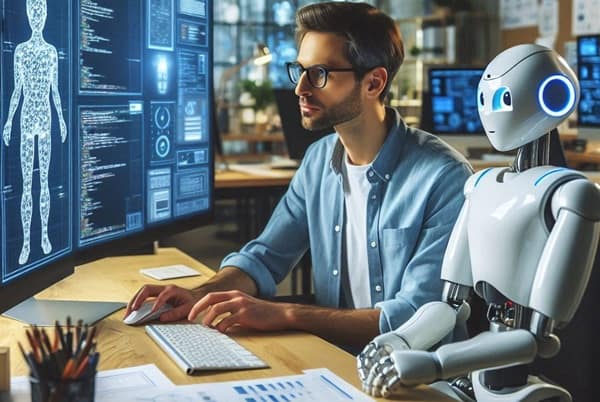
"What once required extensive graphic design training and technical skill is now accessible to almost anyone with an internet connection. Text-to-image technology has made visual creation widely available, allowing people to generate striking digital artwork simply by typing descriptive prompts. For many creative professionals and hobbyists alike, this shift represents a major step forward. The ability to visualise concepts without mastering complex design software opens new possibilities across marketing, education, and personal projects."
"The technology continues to evolve at a remarkable pace. Early text-to-image systems produced basic, often flawed visuals, but today's advanced models create increasingly sophisticated and realistic artwork. This progress has sparked conversations about creativity, authorship, and the changing nature of digital design as the boundaries between imagination and visual expression become increasingly minimal. How AI text-to-image tools are transforming digital art creation AI-powered text-to-image tools have changed digital art creation by making it accessible to everyone."
AI text-to-image technology has made visual creation accessible to anyone with an internet connection, removing the need for extensive graphic design training. Users can generate images by typing descriptive prompts that the systems interpret to produce styles, moods, and compositions. Machine learning models trained on millions of image-text pairs learn to map words to visual elements. Adoption has grown rapidly across marketing teams and educators in the UK creative sector. Early systems produced basic, flawed visuals, while current models generate sophisticated, realistic artwork. The shift raises questions about creativity, authorship, and the changing nature of digital design as imagination and visual expression converge.
Read at London Business News | Londonlovesbusiness.com
Unable to calculate read time
Collection
[
|
...
]