"The industry's language around AI has grown more ambitious-and more elastic. Agentic AI has leapt from research papers to Davos billboards, while artificial general intelligence, or AGI, now appears routinely in investor decks and earnings calls. Definitions have begun to blur. Some companies quietly lower the bar for what qualifies as general, stretching the term to encompass incremental productivity gains."
"According to PwC's 2026 Global CEO Survey, 56% of 4,454 CEOs across 95 countries reported neither increased revenue nor reduced costs from AI over the past 12 months. Only 12% achieved both. Even so, 51% plan to continue investing, despite declining confidence in revenue growth."
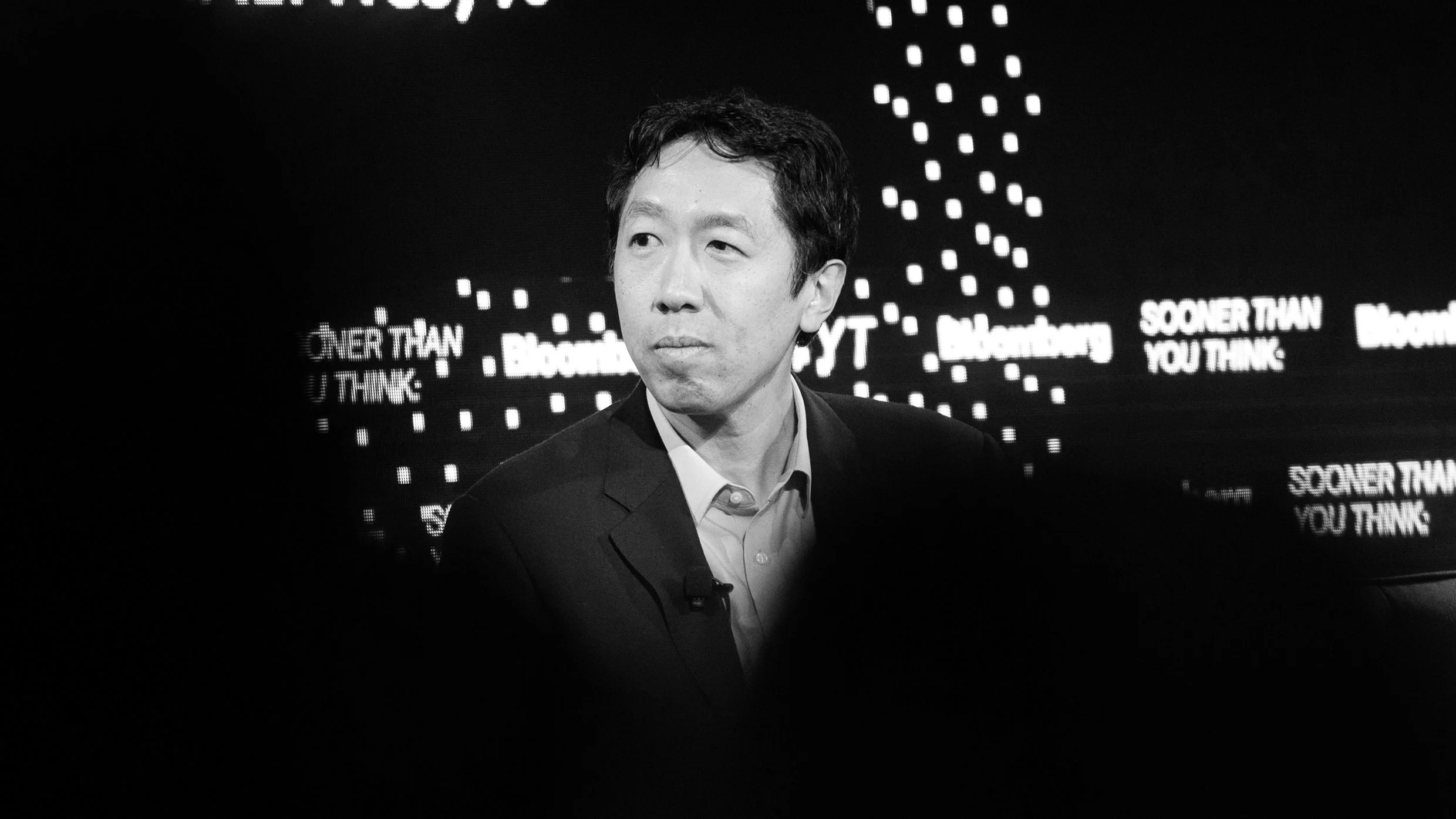
"In 2024, he popularized the term agentic AI, arguing that multistep, tool-using systems capable of executing workflows may deliver more near-term economic value than simply scaling larger models."
The AI industry has evolved from competing on model quality to competing for computational resources, talent, and strategic control. Foundation models now power enterprise software and national strategies. Industry language has become increasingly ambitious, with terms like agentic AI and AGI appearing frequently in corporate communications, though definitions remain unclear and sometimes deliberately stretched. Despite this enthusiasm, economic returns remain disappointing: 56% of CEOs report neither increased revenue nor reduced costs from AI investments over the past year, with only 12% achieving both outcomes. Nevertheless, 51% of CEOs plan continued investment despite declining confidence in revenue growth, creating a significant gap between technical capabilities, marketing narratives, and realistic expectations.
Read at Fast Company
Unable to calculate read time
Collection
[
|
...
]