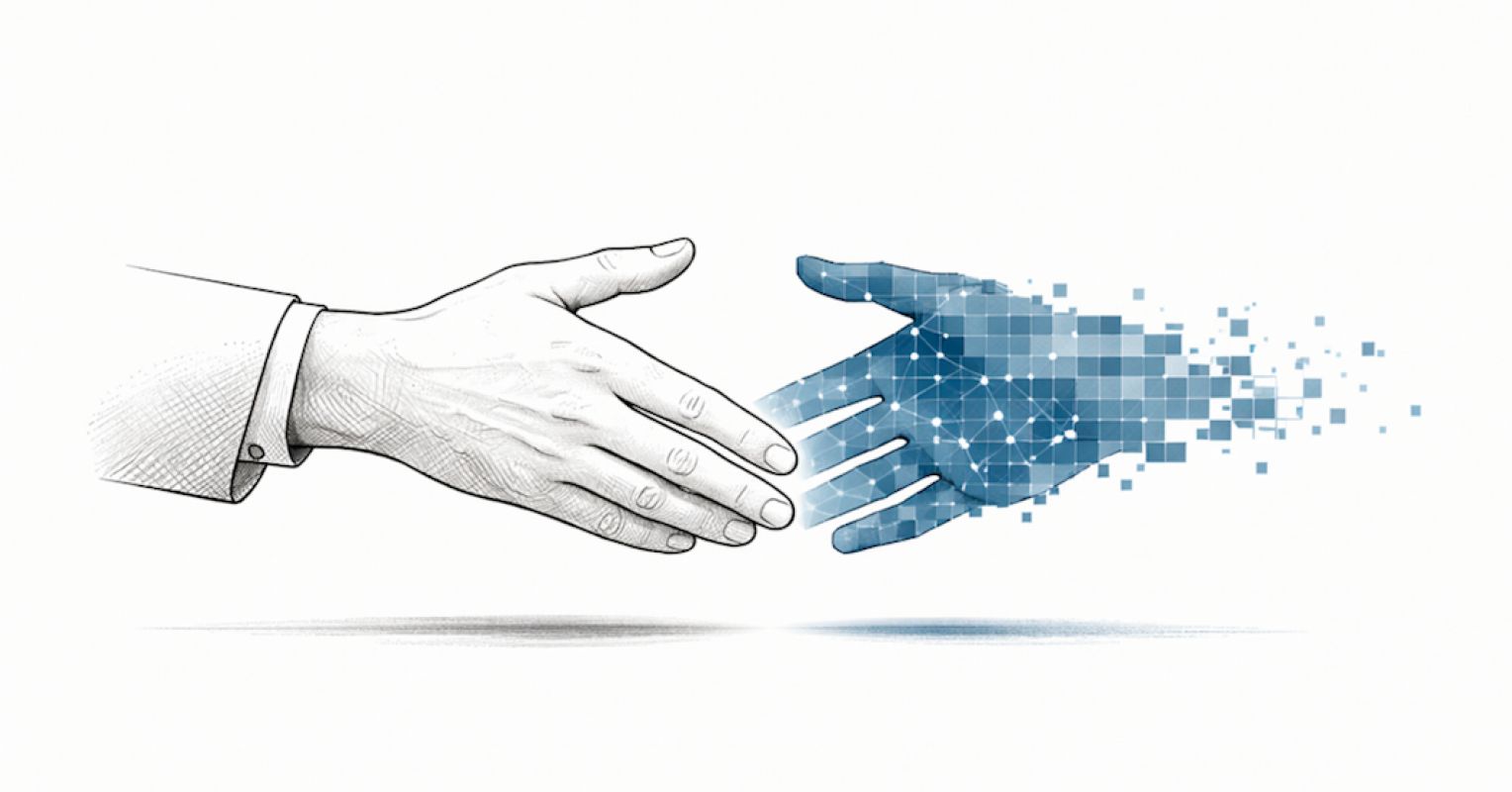
"In several earlier posts, I've presented the concept of anti-intelligence to describe a sort of structural property of artificial intelligence and large language models. The term helped me understand how this technology was fundamentally antithetical to human cognition. In essence, LLMs generate the form of understanding without bearing the existential costs that define human thought. There is no lived experience baked into the process. And while the reasoning can appear fluid and adaptive, it remains disconnected from biography and identity."
"Today's dialogues can seem attentive and even personal. And along this slippery slope, the vocabulary of companionship and collaboration has entered this with little resistance or scrutiny. Yet something fundamental distinguishes this engagement from any human bond. Human relationships are built on continuity. Over time, memory accumulates and identity is shaped through the shared human experience. Words leave impact, actions carry consequence, and trust forms gradually. Even conflict becomes part of a narrative that cannot simply be reset with the click of a button."
Artificial intelligence can mimic attentive, personal dialogue through pattern recognition and engineered memory while lacking lived experience, biography, and identity. Large language models generate the form of understanding without bearing existential costs that shape human thought. Human relationships depend on accumulated memory, changing identities, consequences, and reciprocal experience over time. Introducing relational forms without mutual reciprocity risks harm by creating the illusion of continuity and responsibility where none exists. Engineered memory produces computational continuity but not existential continuity. The structural mismatch between adaptive human change and static system architecture undermines authentic, reciprocal relationships.
Read at Psychology Today
Unable to calculate read time
Collection
[
|
...
]