"Apple has kicked off test runs for systems-on-chip built on Intel's 18A-P process. The idea is to build "low-end/legacy iPhone, iPad, and Mac processors," according to Kuo's post on X."
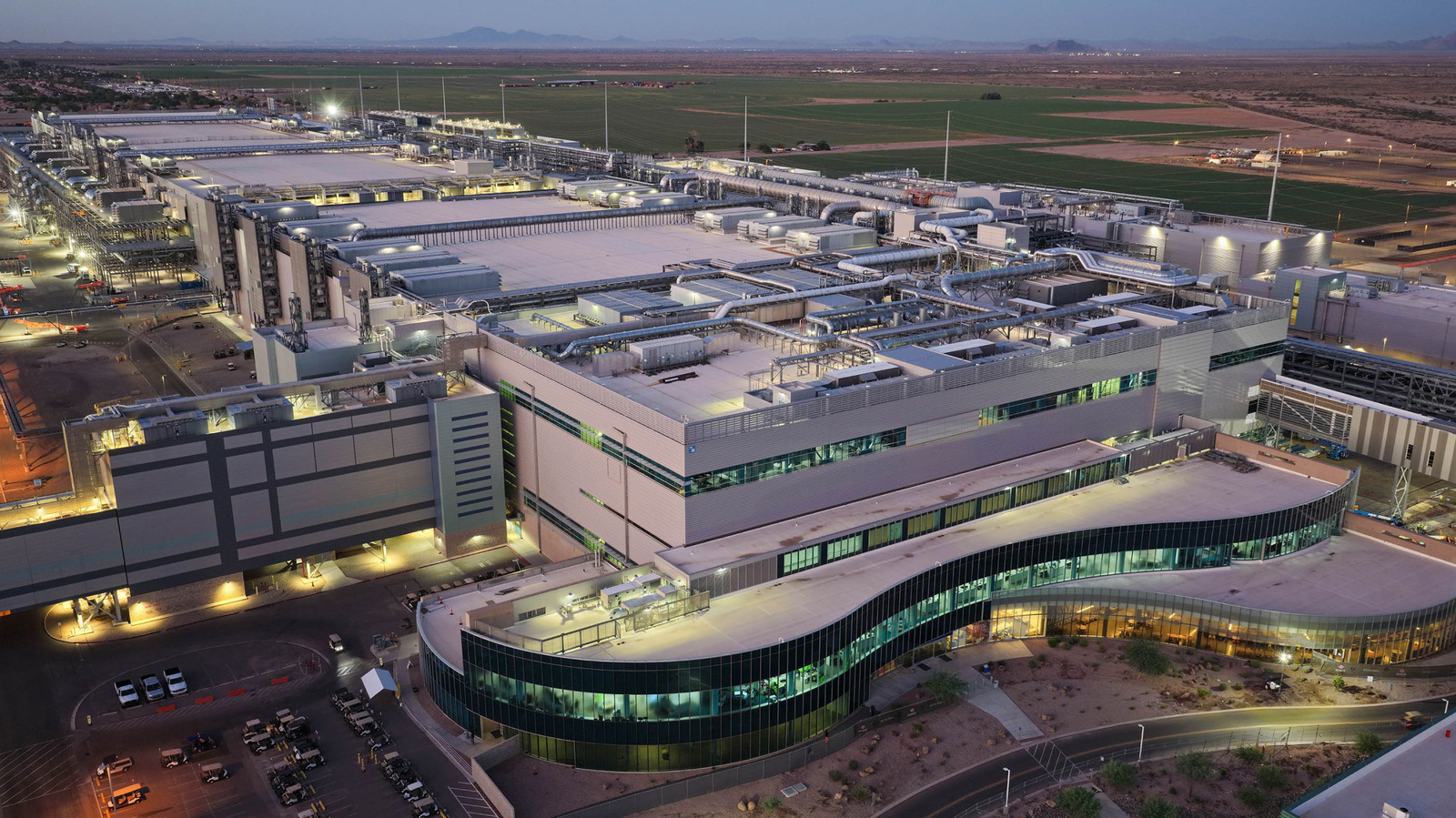
"Intel will reportedly spend 2026 testing production of Apple processors, with 2027 the target for production and deliveries - then ramp up output through 2028 and 2029. Intel's Oregon, Arizona and Ohio fabs could be used to manufacture the A18 Pro for older and low-end iPhones and Macs using its all new 18A-P process, an update from 18A used to produce Panther Lake and other Intel chips."
"TSMC would still manufacture 90 percent of Apple's processors, "even if Intel's initial shipments go smoothly," Kuo wrote. Around 80 percent of Intel's output would be used for iPhone chips, in line with the company's product mix."
"Apple has also reportedly been evaluating Intel's other advanced-node technologies including 14A (1.4nm) for future iPhone chips."
Apple has started test runs for systems-on-chip built on Intel’s 18A-P process, targeting low-end and legacy iPhone, iPad, and Mac processors. Intel previously supplied Apple’s Mac processors until Apple shifted to its own M-series chips in 2020, which are primarily manufactured by TSMC. Apple has sought to diversify processor supply and has reportedly been influenced by efforts from the Trump administration after it took a 10 percent stake in Intel. Intel is expected to spend 2026 testing Apple processors, with production and deliveries targeted for 2027, then ramping output through 2028 and 2029. Intel’s Oregon, Arizona, and Ohio fabs could manufacture the A18 Pro for older and low-end devices using the 18A-P process. TSMC would still produce about 90 percent of Apple’s processors, and Intel’s output would be used largely for iPhone chips. Apple is also evaluating Intel’s 14A technology for future iPhone chips.
Read at Engadget
Unable to calculate read time
Collection
[
|
...
]