Apple
Apple
[ follow ]
#ipados #siri #liquid-glass #macbook #ios-18 #iphone-16 #wwdc #apple-accessibility #ipados-19 #iphone-chip
from24/7 Wall St.
6 hours agoApple's CEO Cook Made 533 Times More Than Workers
The SEC requires companies to disclose the ratio of CEO pay to the median worker pay. According to the Apple ( NASDAQ: AAPL | AAPL Price Prediction) proxy, "2025 annual total compensation of our CEO was $74,294,811, the 2025 annual total compensation of our median compensated employee was $139,483, and the ratio of these amounts is 533 to 1." While there are some companies with a higher ratio, Cook's number is still in nosebleed territory
Apple

from9to5Mac
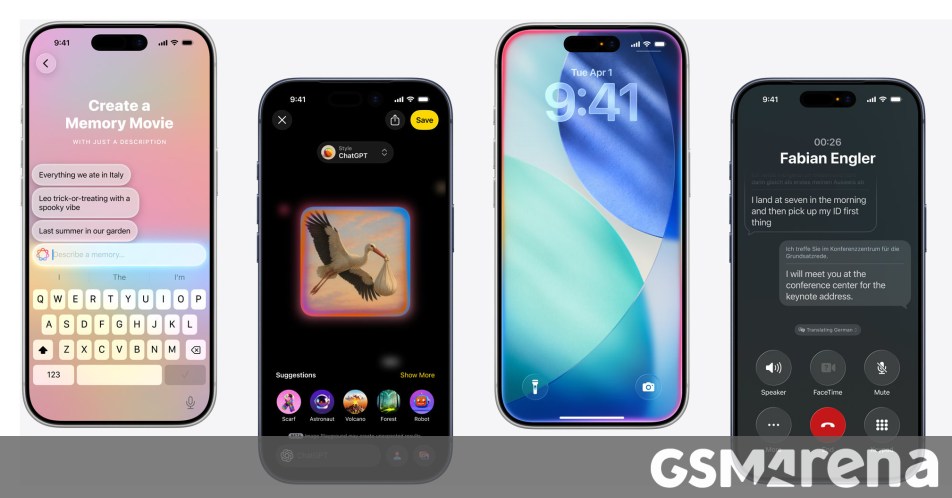
1 day agoiOS 26.5's Apple Maps app has two notable changes, here's what's new - 9to5Mac
“Suggested Places adds two recommended places to Maps' search screen every time you tap the search bar to perform a search.” “These recommendations are based on two main factors: What's trending nearby Your recent search history”
Apple
fromArchDaily
1 day agoDesigning a Brand: How Apple Built an Architectural Language of Glass and Order
Over the past two decades, Apple has developed a consistent architectural language that extends its brand into the built environment, transforming stores, workplaces, and public-facing spaces into active components of its identity. These environments guide movement, frame interaction, and condition the ways in which users encounter both products and the company itself.
Apple
fromZero Day Initiative
1 day agoZero Day Initiative - The Apple macOS Security Update Review
CVE-2026-28819 (Wi-Fi) stands out as the strongest candidate for the most severe as it states, "An app may be able to execute arbitrary code with kernel privileges." The combination of arbitrary code execution at the kernel level is about as bad as it gets on a severity scale. Plus, it affects all three macOS versions (Tahoe, Sequoia, and Sonoma).
Apple
#iphone
Apple
fromThe Cool Down
3 days agoApple to pay $250 million settlement over false advertising claims - here's how much users could receive
Apple will pay $250 million to settle claims that Siri AI features were oversold or misrepresented on iPhones.
Apple
from24/7 Wall St.
6 days agoApple at $284: Buy, Sell or Hold?
Apple shows strong growth momentum and capital returns, but valuation and near-term technical and insider signals suggest patience may be warranted.

fromFortune
4 days agoTim Cook and Reed Hastings just showed every CEO how to leave gracefully | Fortune
In September 1960, John Updike sat in the Fenway Park stands and watched Ted Williams take his final at-bat. He drove a fastball 440 feet over the right-centerfield wall, rounded the bases head down and disciplined, and ran straight into the dugout. The crowd begged him to come out, tip his cap, take their adulation. He didn't. The opposing pitcher waited on the mound, certain Williams would relent. Most players would have. Williams waved him off and never came back out.
Apple
#airpods
Apple
fromEngadget
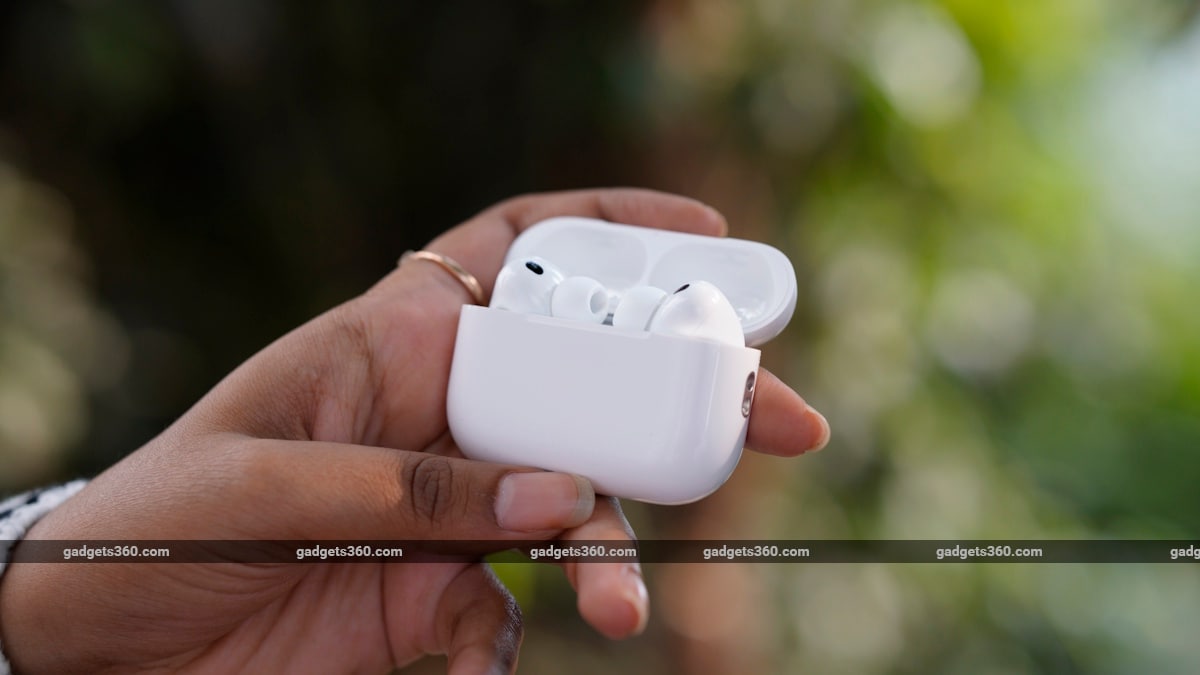
5 days agoI'm already dreading Apple's camera-equipped AirPods - Engadget
Camera-equipped AirPods are in design validation testing, using low-resolution cameras to feed an upgraded Siri for real-world assistance and object reminders.
Apple
fromConsequence
5 days agoNew AirPods to Feature Cameras for AI-Powered Visual Intelligence: Report
AirPods will add low-resolution cameras to feed visual context to Siri, enabling environment-aware assistance while using an LED for cloud visual-data privacy.
Apple
fromYanko Design - Modern Industrial Design News
4 days agoHonor launched a $193 Kid-focused iPad Alternative with 22 Hours of Battery and Parental Controls Already Set Up - Yanko Design
A kids-first tablet experience removes adult-style setup friction and adds durable, child-friendly hardware and software defaults.
fromwww.engadget.com
5 days agoBlackmagic Camera hands-on: Apple Watch compatibility gives vloggers remote control
You'll need to dive into another page of settings for things like the video codecs (10-bit ProRes, H.264 or H.265), bitrate, resolution, color space and more. The native iPhone camera is powerful enough for most users, but lacks features needed for more creative work. It offers no way to make manual adjustments for shutter speed and white balance, for one, and has limited video format options.
Apple
fromThe Verge
5 days agoApple's education discount now requires proof that you're a student
Apple now requires proof of eligibility from US customers who purchase products online at discounted education rates, which also apply to the Apple Watch for the first time. According to a new pop-up message displayed on Apple's education webstore, Apple is directing students, parents, and teachers to verify their status via Unidays' third-party verification service - a system the Cupertino company has already implemented in other countries, including the UK.
Apple

fromThe Verge
6 days agoApple's $599 MacBook Neo could be at risk from rising RAM prices
The MacBook Neo could face similar pricing changes because of its huge initial success. The Neo arrived right as the RAM shortage is pushing up prices for competitors' laptops, and the laptop has been such a hit that there's currently a two to three-week wait for it to ship on Apple's website.
Apple
[ Load more ]