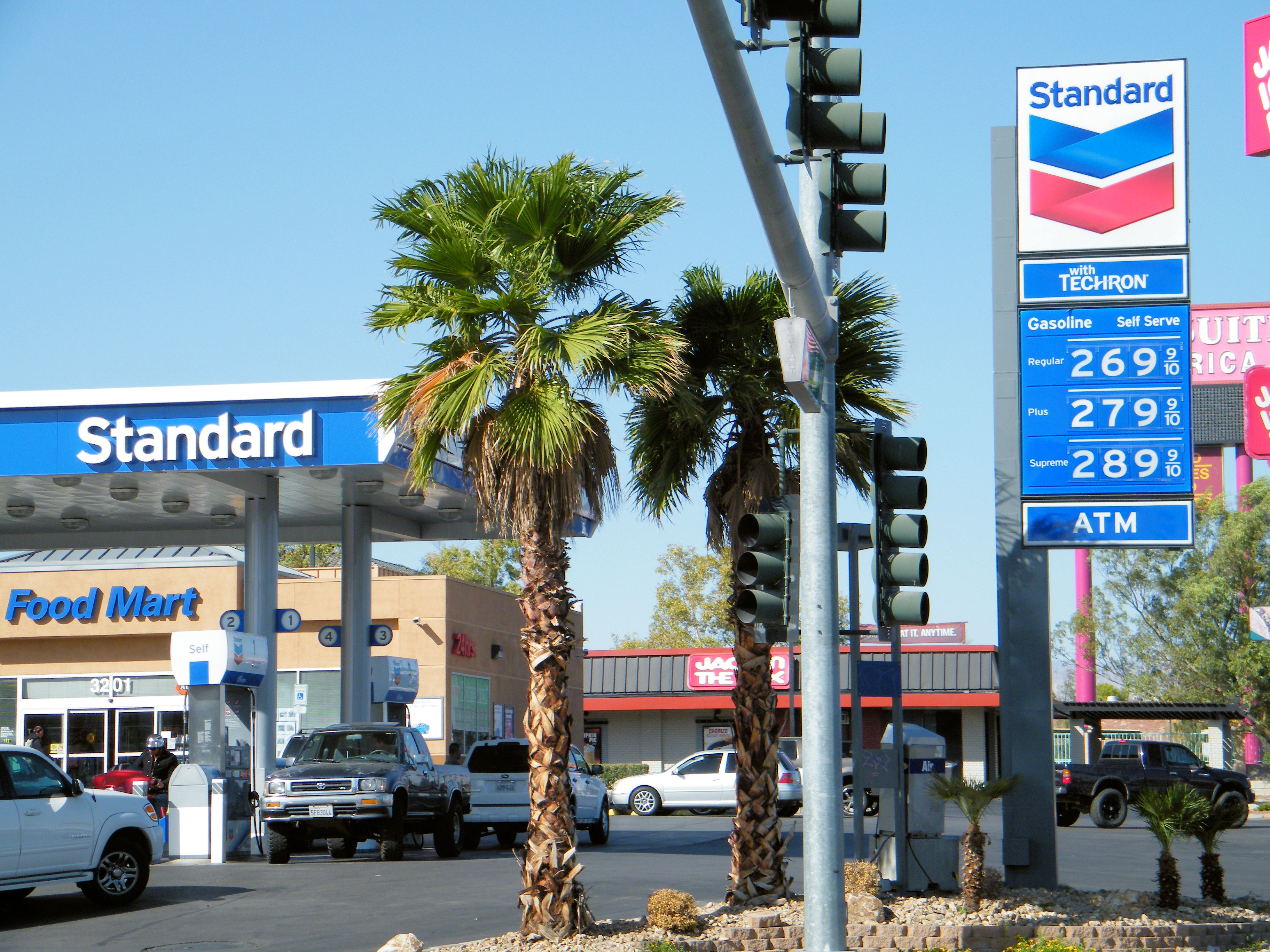
High gas prices trigger public outrage, but they represent only a fraction of car dependency's true costs. Most American cities force residents into vehicle ownership with no viable alternatives, making driving inescapable regardless of fuel prices. Beyond gasoline, drivers bear substantial expenses including maintenance, repairs, insurance, financing, and registration fees. Car-dependent infrastructure creates broader societal costs: inflated housing prices near transit, public health burdens from pollution, and climate change expenses. These systemic costs existed long before recent energy crises but receive minimal public attention compared to pump prices. Recognizing the full financial burden of forced car ownership could reshape policy priorities and demand for transportation alternatives.
"Because so many American cities are so heavily car-dependent, most U.S. residents have no choice but to pony up the cash and drive anyway. Indeed, even when gas prices climbed above $5 a gallon in 2022, driving did not plummet; a Time magazine analysis at the time found that 'the only time that fuel consumption really took a hit in the last 23 years was during the pandemic.'"
"People who are functionally forced to drive everywhere can't opt out of the other immediate costs of car ownership, either, like vehicle maintenance, repair, insurance, financing, and fees. And they really can't dodge the broader costs of car dependency, like scarce and expensive housing, rising public health burdens, and the staggering costs of pollution and climate change."
#car-dependency #transportation-infrastructure #hidden-costs-of-vehicle-ownership #urban-planning #climate-and-pollution-impacts
Read at Streetsblog
Unable to calculate read time
Collection
[
|
...
]